1. Breakthrough in Composition of Conventional Fiber Blankets
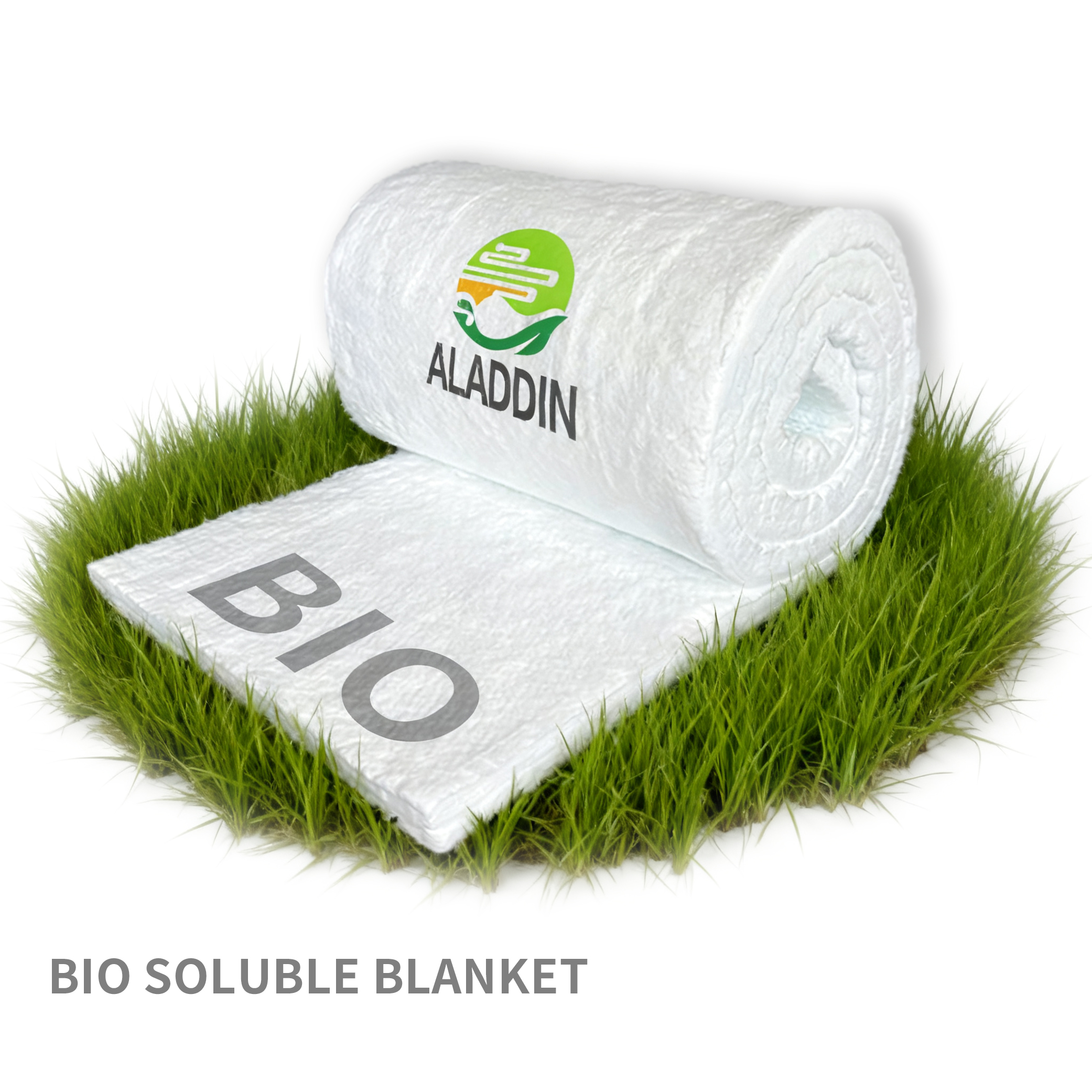
While biosoluble blankets eliminate aluminium oxide present in traditional ceramic fiber blankets, they retain silicon dioxide. On the basis of maintaining the thermal insulation performance of silicon dioxide, magnesium oxide and calcium oxide are added to achieve biosolubility.
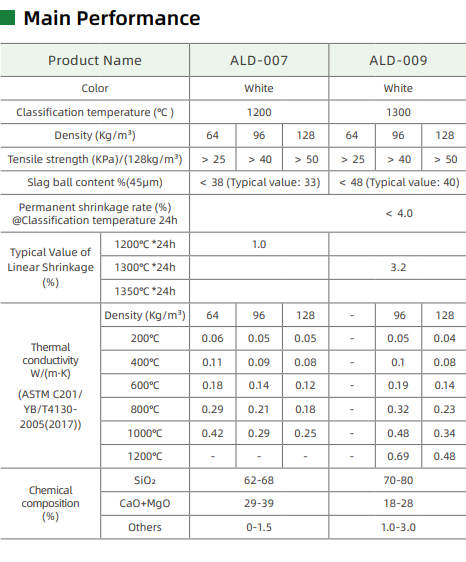
2. Reference Technical Parameters
In-depth Introduction to Human-Biodegradable Technology
1. Scientific Mechanism
When fibers come into contact with human body fluid (pH ≈ 7.4), calcium and magnesium oxides undergo a controlled hydrolysis reaction in a weakly acidic environment. The fiber structure decomposes orderly at the microscopic level, and is eventually metabolized into harmless silicates and trace mineral ions, which are fully excreted through the human body’s natural excretory system.
2. Safety Certifications
Compliant with Note Q of Directive 97/69 EC, classified as non-carcinogenic.
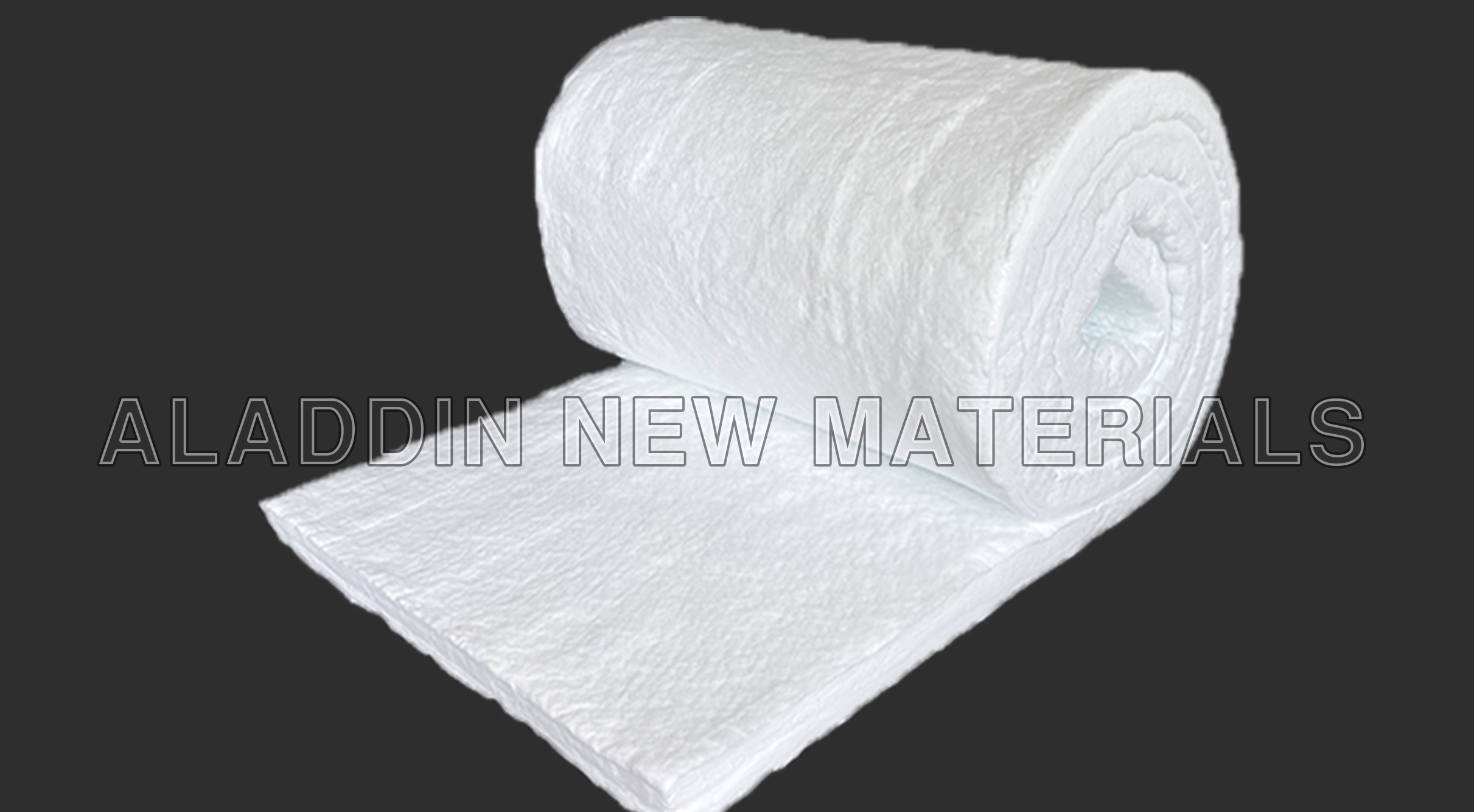
3. Eco-Friendly Properties
In natural environments, the fibers degrade via three pathways:
Its degradation cycle is over 90% shorter than that of conventional ceramic fibers, with a natural degradation rate of up to 60% within 12 months.
Industry Application Value
In addition to traditional industrial metallurgy, the product is also applicable to civil sectors:
Commercial kitchens: fire separation for open-flame stoves
Building fire protection: fire compartments for high-rise buildings
Home appliance manufacturing: thermal insulation layers for premium ovens
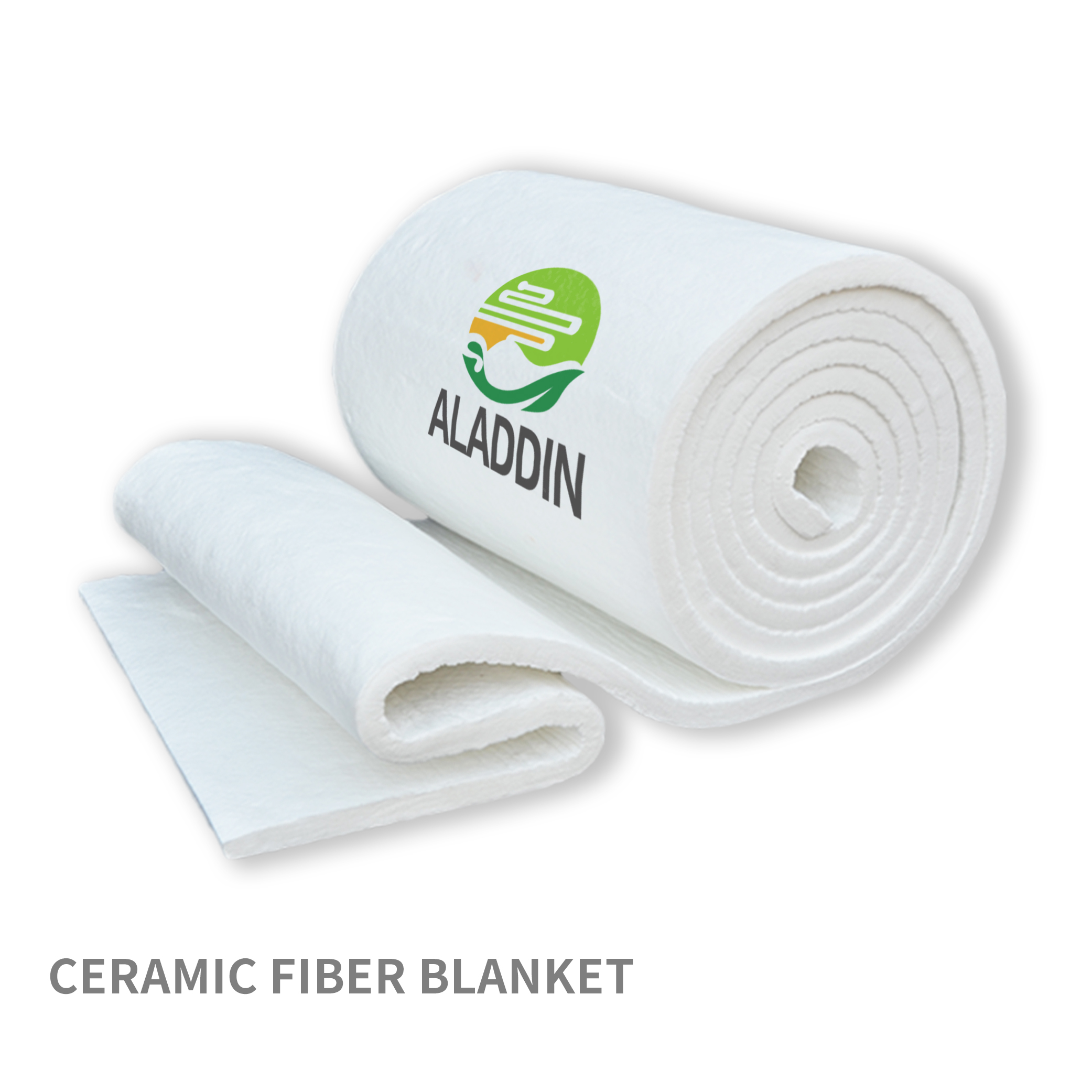
Aladdin biosoluble blankets feature unique biodegradability, enabling gradual decomposition under natural or specific biological conditions to reduce long-term environmental burdens. Aligned with the eco-friendly concept of sustainable development, they serve as a green alternative to traditional refractory materials.

 Send Email
 WhatsApp