Applicable Solutions for Standard-Size and Extra-Large Modules
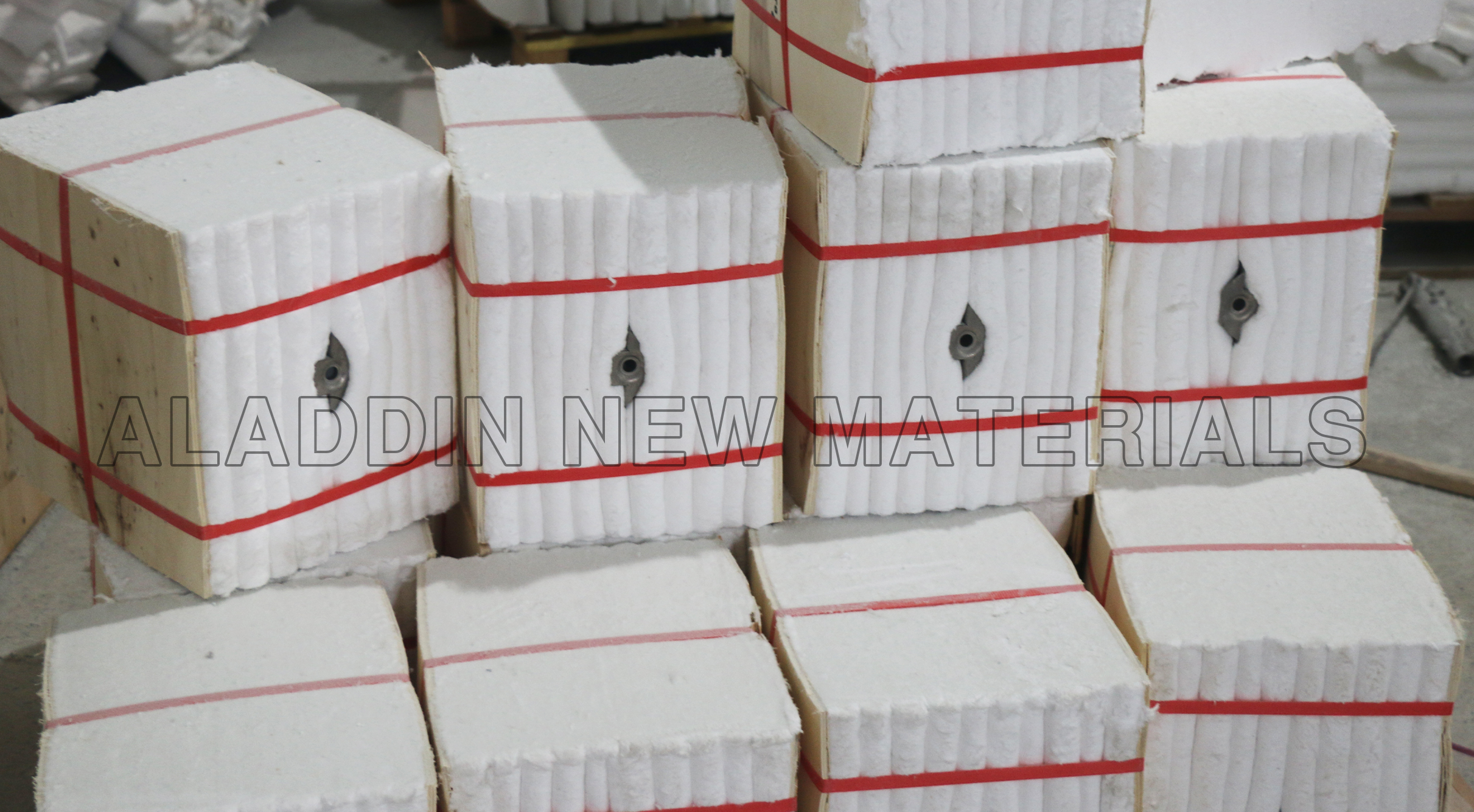
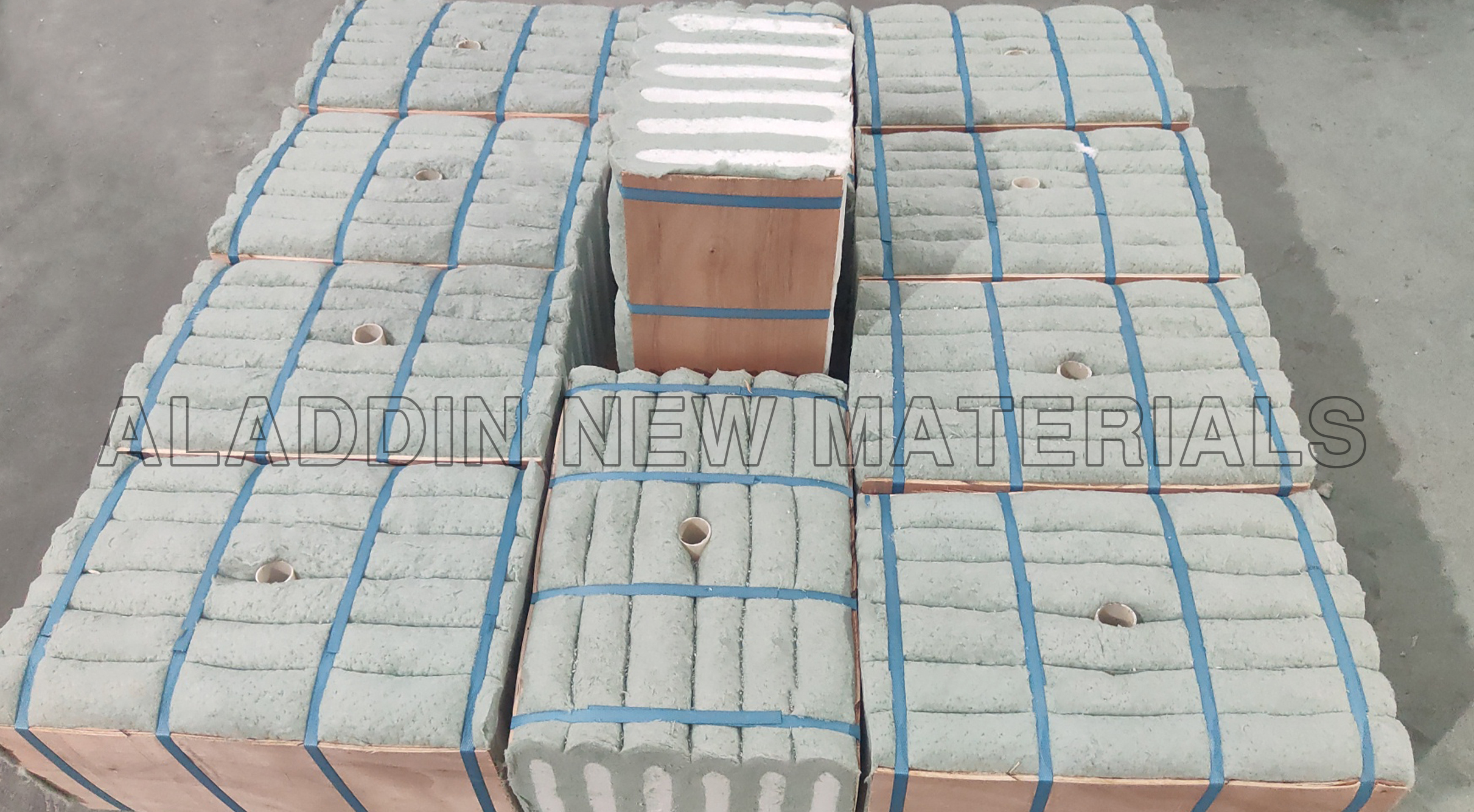
The installation form of ceramic fiber modules directly affects the thermal insulation performance, air tightness and service life of industrial furnace linings. According to different module sizes and furnace structures, two main splicing structures are adopted: parallel layout and puzzle staggered layout. A systematic introduction covering definitions, features, installation procedures and applicable scenarios is presented as follows.
I. Installation Methods of Standard-Size Modules
1. Parallel Layout
Definition: Modules are installed in parallel arrangement, with fiber direction perpendicular to the furnace wall surface and modules closely arranged side by side.
Easy construction: Suitable for regular furnaces (square and rectangular) with fast installation speed.
Uniform thermal resistance: Consistent fiber orientation ensures even heat conduction and excellent thermal shock resistance.
Few joints: The gaps between modules are narrow, yet a compression allowance of 10%~20% shall be reserved to counteract high-temperature shrinkage.
Advantages:Compensation blankets are tightly pressed together with modules to form an integral seamless lining with outstanding sealing performance.Applicable to medium and small furnace chambers such as heat treatment furnaces and heating furnaces.
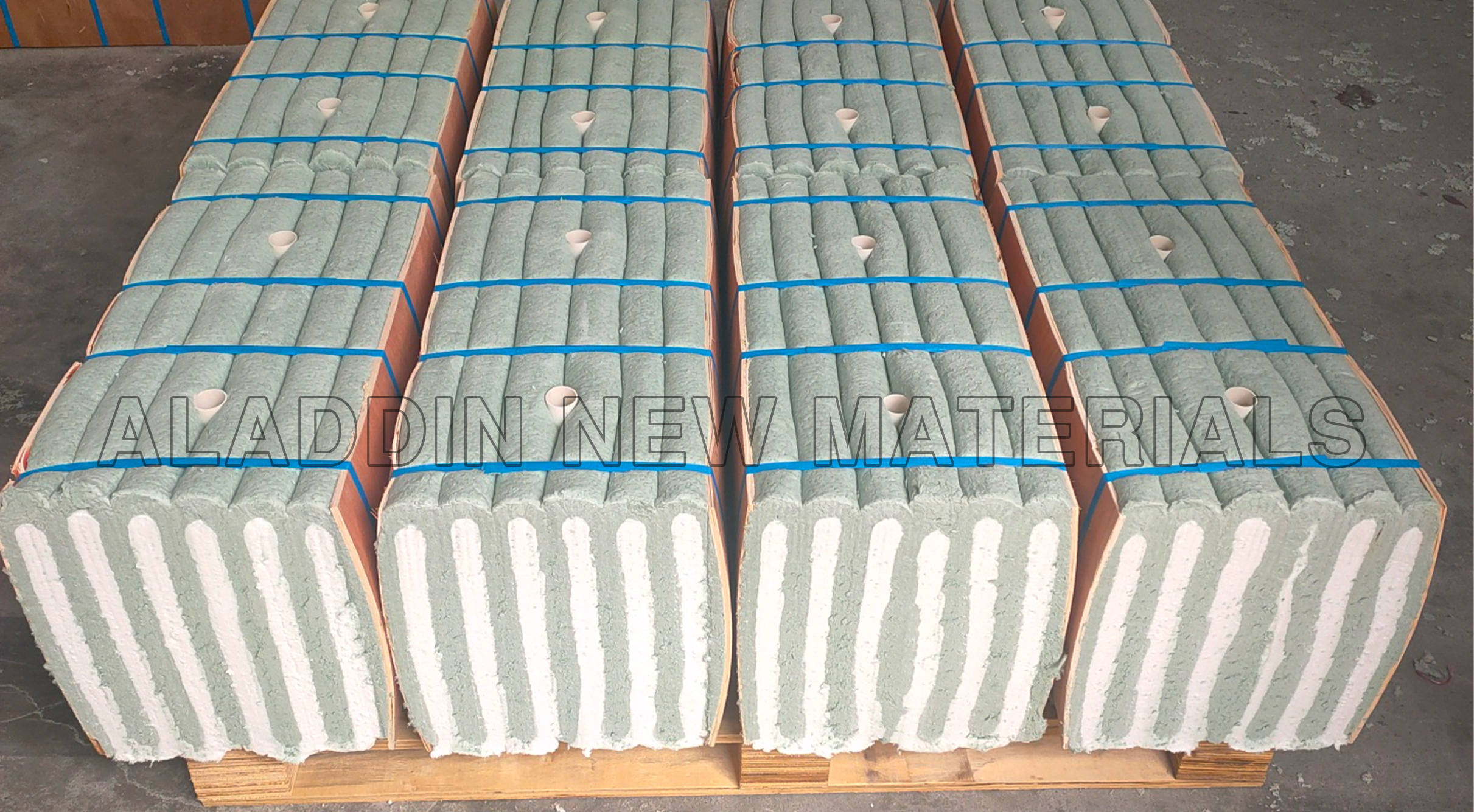
2. Puzzle Staggered Layout
Definition: Four modules form one assembly, each rotated by 90 degrees. Their cut surfaces interlock and extrude against one another in a jigsaw-like embedded arrangement.
High structural strength: The staggered layout improves resistance to mechanical impact.
High flexibility: Fits circular furnaces, arch crowns and irregular furnace bodies.
Complicated joint treatment: Precise cutting is required to avoid thermal bridging effect.
Key Installation Points:Special-shaped modules or on-site cutting shall be adopted to guarantee tight joints.Fill all seams with ceramic fiber blanket or sealant. Advantages:No compensation blankets are required; modules can be compacted by mutual extrusion for simpler construction. The adjustable fiber orientation adapts to complex furnace shapes and high-temperature furnaces (e.g. petrochemical cracking furnaces). It is also suitable for areas subjected to air flow erosion, including kiln cars and furnace doors. II. Splicing Method for Extra-Large Modules
Definition: Custom oversized modules (widened or lengthened) are applied to reduce the number of joints and improve thermal insulation efficiency.
Minimal joints: Lower risks of heat loss and air leakage.
High installation efficiency: Each single module covers a large area, ideal for large-scale furnace linings.
Applicable Scenarios:Large industrial furnaces such as steel reheating furnaces and glass melting furnaces.Equipment with extremely high air tightness requirements. Installation Precautions:
Custom manufacturing: Module dimensions must match the furnace body.
Reinforced anchoring: Prevent sagging or falling off after long-term operation.
Joint treatment: Even with fewer seams, all joints shall be filled with high-temperature sealant.
Aladdin High Temperature Materials Co., Ltd.
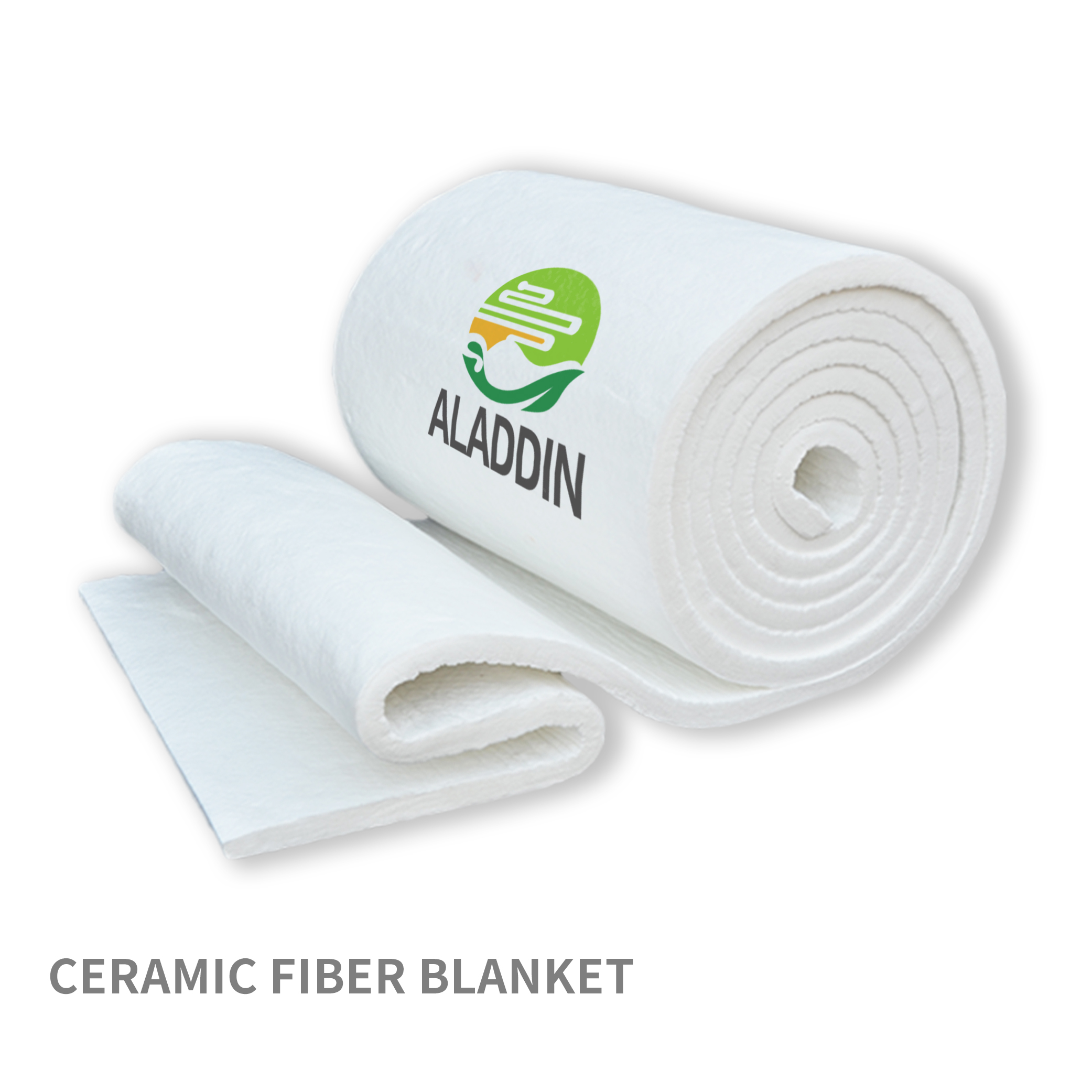
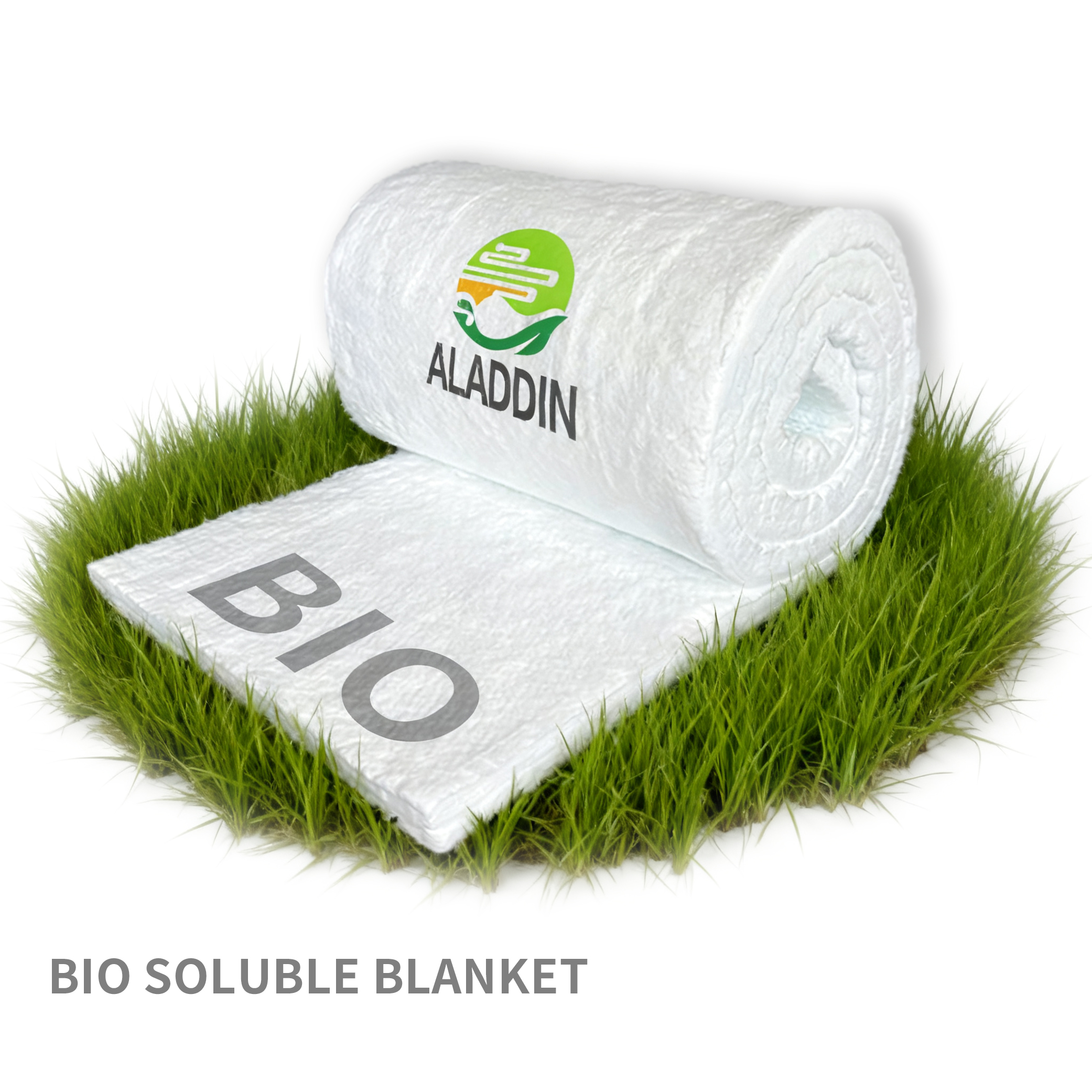
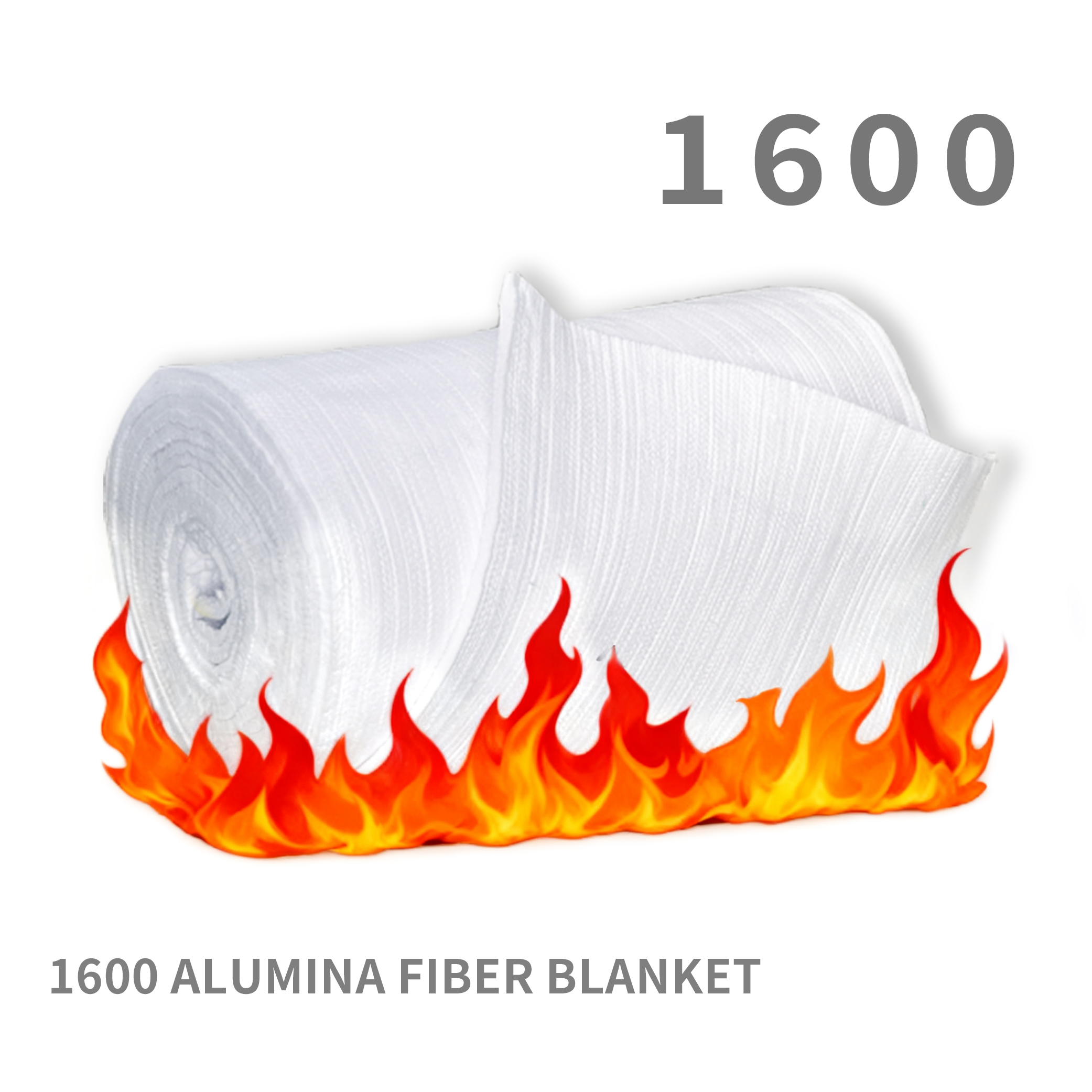
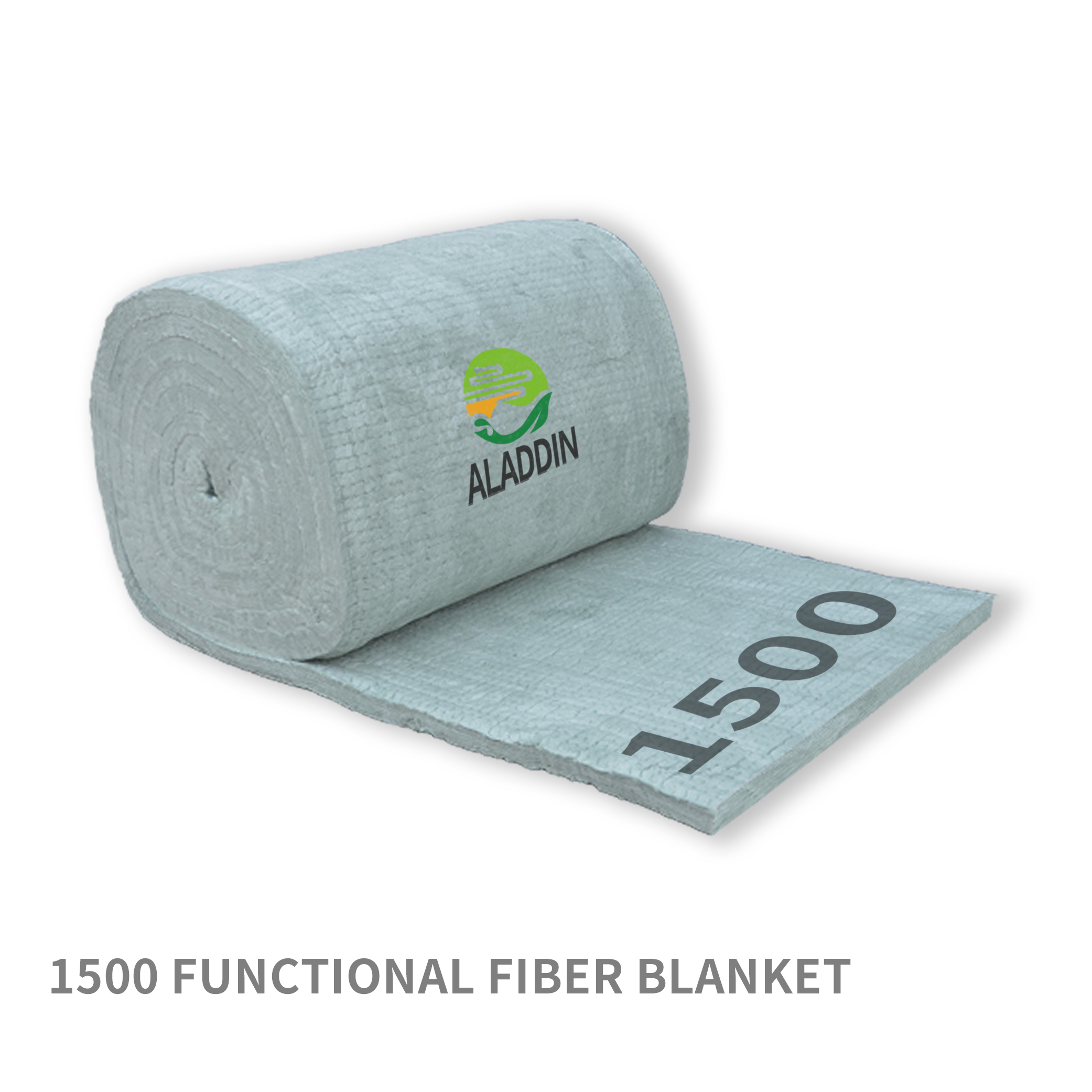
With over 30 years of development, Aladdin High Temperature Materials Co., Ltd. is a professional ceramic fiber manufacturer integrating production, research & development and engineering services.We own four major production bases nationwide located in Hebei, Shandong, Shanxi and Jiangsu, equipped with more than 10 production lines and an annual output of over 40,000 tons. All ceramic fiber products of Aladdin are supplied with corresponding test reports and conform to national standards. If you are interested in our products, please send us a private message or input the word "Purchase" to get our contact information!

 Send Email
 WhatsApp