Analysis on Applications and Advantages of Ceramic Fiber Products in High-Temperature Kilns
High-temperature kilns are widely adopted in metallurgy, building materials, chemical engineering, ceramics and other industries. High energy consumption and low thermal efficiency have long been prominent pain points in industrial production. Though traditional refractory brick linings can withstand high temperatures, they suffer from excessive weight, high thermal conductivity and poor thermal shock resistance. As a new type of lightweight refractory material, ceramic fiber stands out for its outstanding thermal insulation performance, high temperature resistance and convenient construction, making it the ideal lining material for modern high-temperature kilns.
1. Application Advantages of Ceramic Fiber in High-Temperature Kilns
(1) High Energy-Saving EfficiencyCeramic fiber features low thermal conductivity ranging from 0.03 to 0.12 W/(m·K), over 50% lower than that of conventional refractory bricks. It can cut the external heat loss of kilns by 30% to 50%. (2) Lightweight DesignIts bulk density is only 96–256 kg/m³, equivalent to 1/5 to 1/10 of traditional refractory materials, which drastically reduces the load on kiln steel structures and building foundations. (3) Excellent Thermal Shock ResistanceIt can withstand sharp temperature fluctuations (e.g. repeated cycles from 1000°C down to room temperature) and avoids cracking issues caused by thermal stress in refractory bricks. (4) Fast Installation & Low Maintenance CostModular design shortens installation time by 50%–70%. Only partial replacement is required for maintenance instead of large-area demolition. (5) Improved Kiln Production CapacityIts rapid heating and cooling capability boosts kiln turnover rate by 20%–35% and increases effective internal volume by 8%–15%. 2. Main Types of Ceramic Fiber Products
Ceramic fiber products are applied in high-temperature kilns in the following forms:
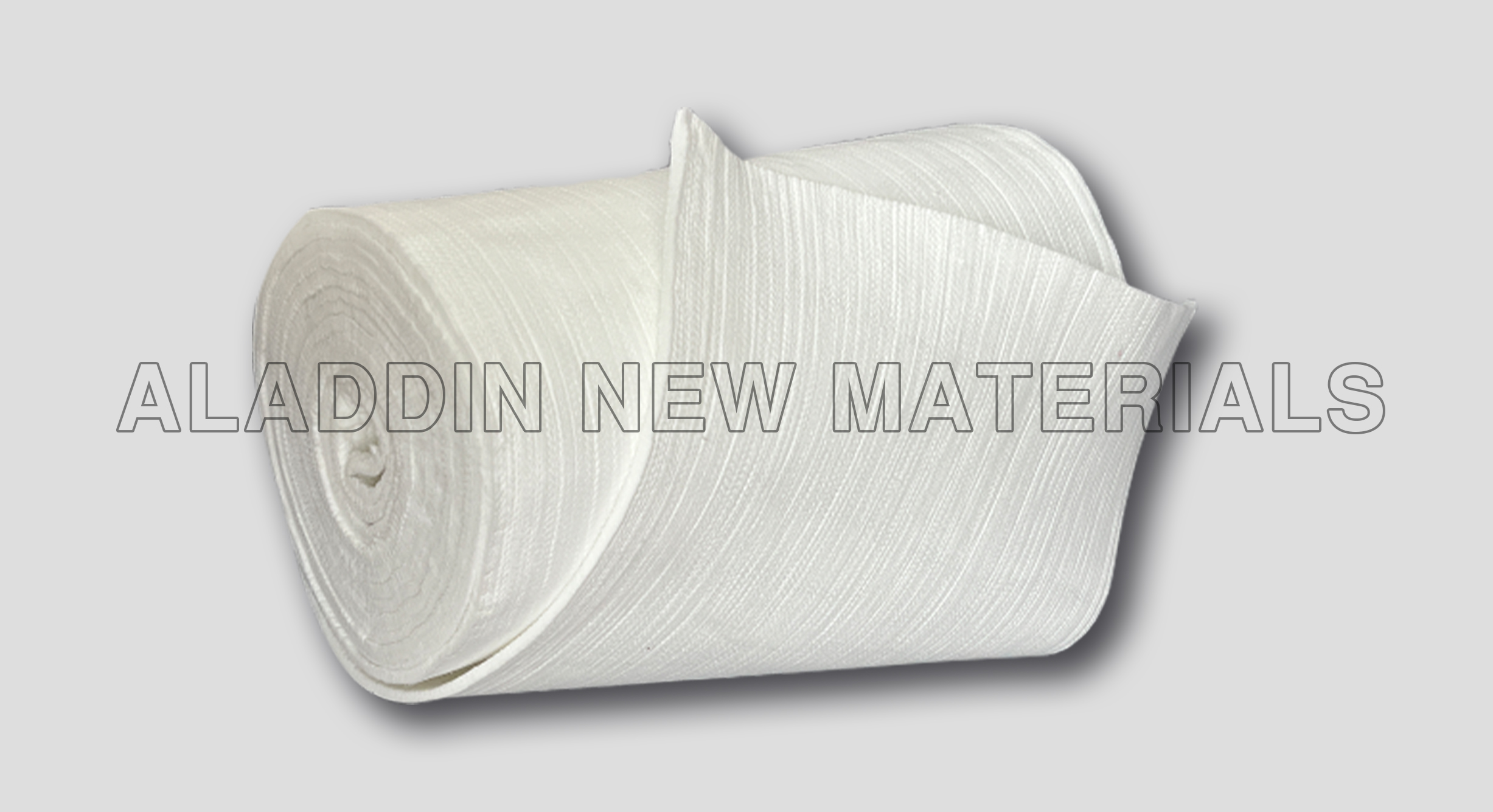
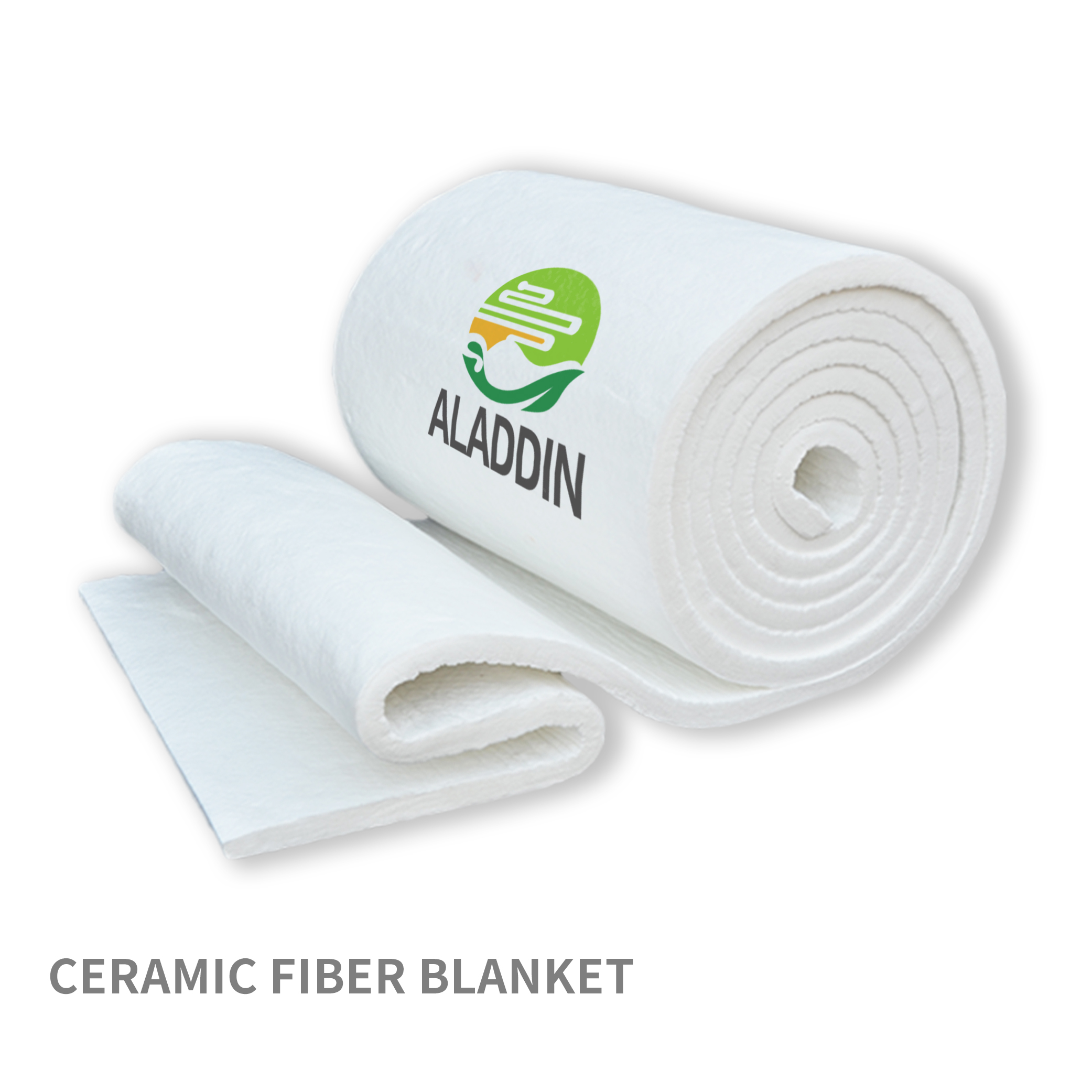
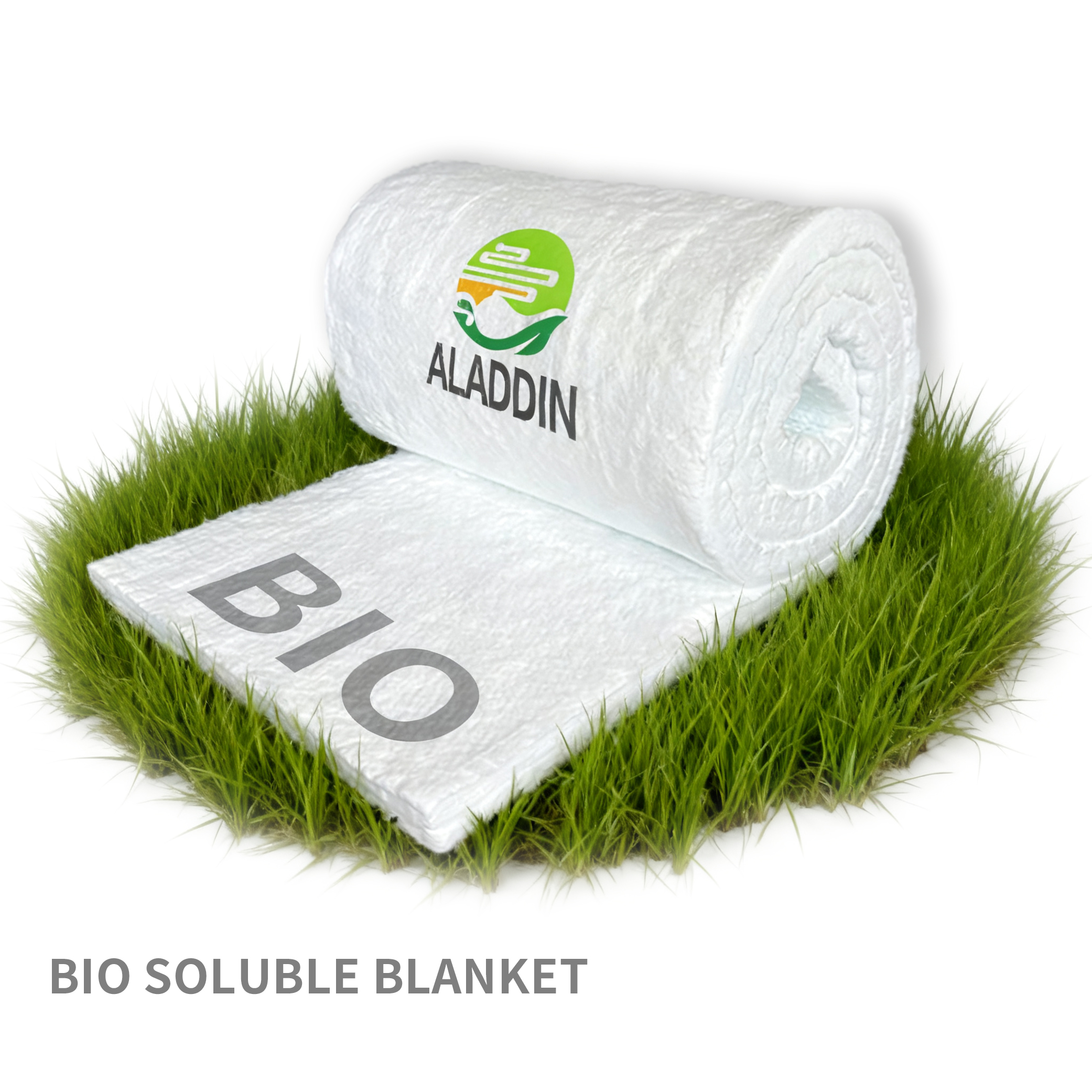
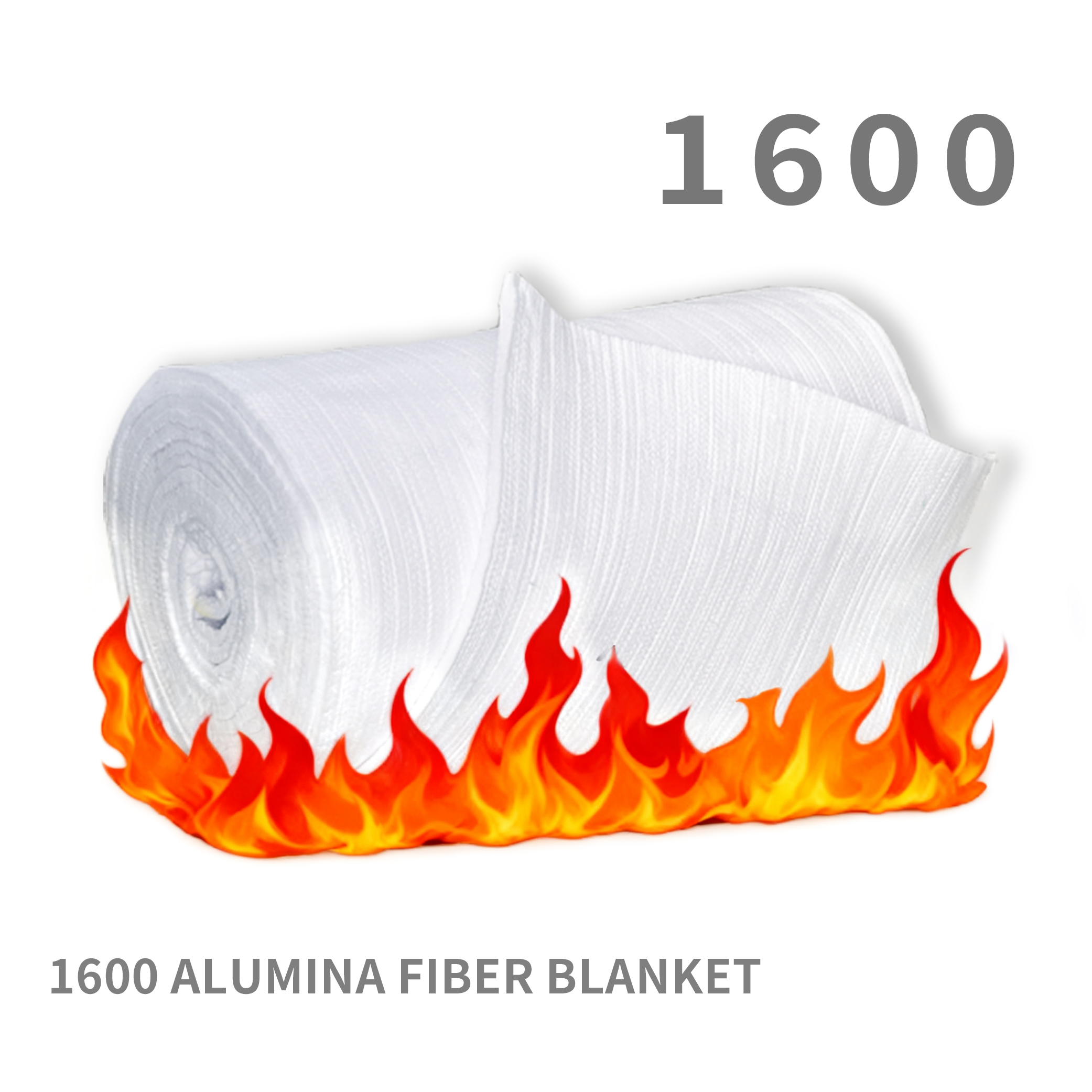
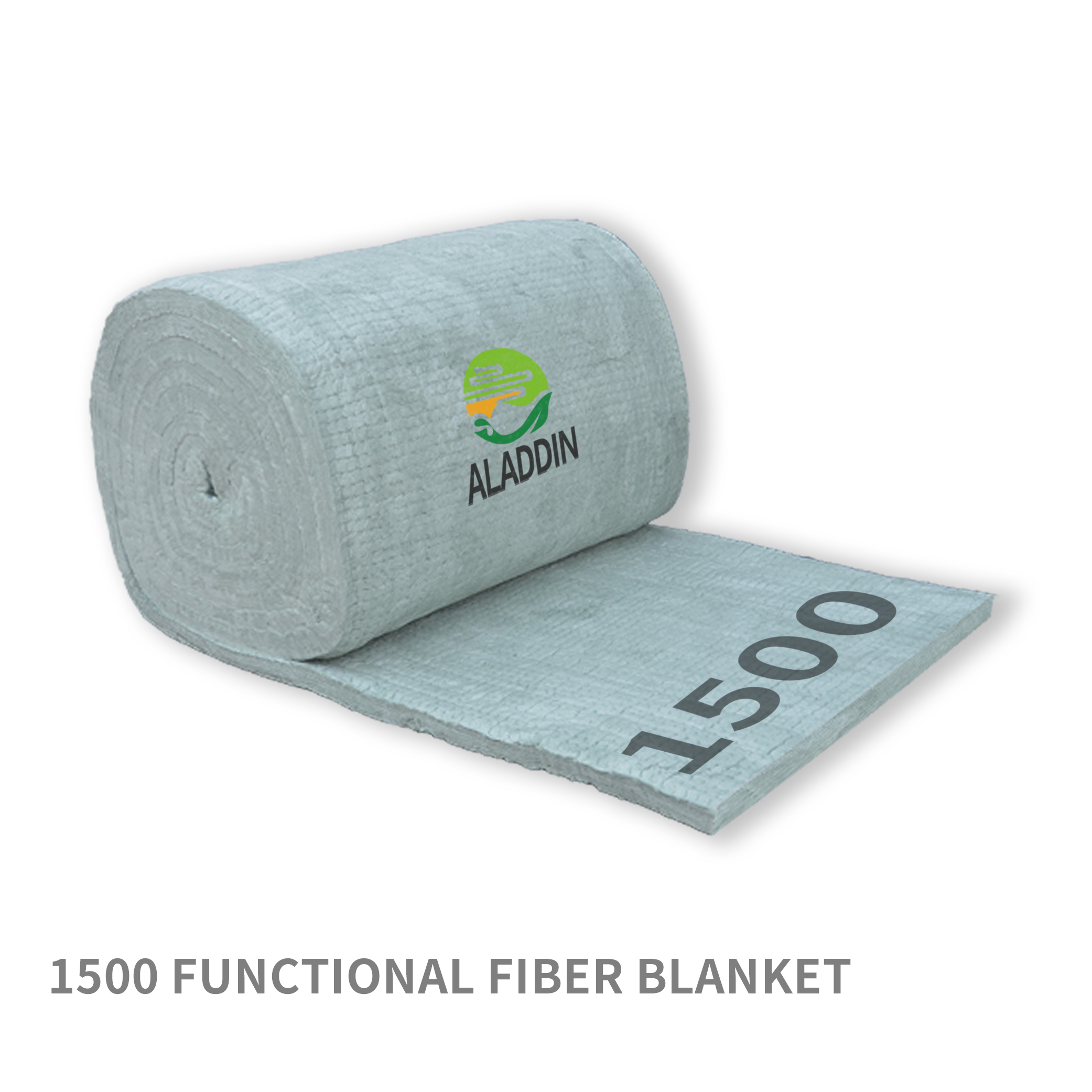
(1) Ceramic Fiber Blanket
Features: Flexible roll material with thickness of 10–50 mm; fiber structure reinforced by needle-punching process.Applications: Base thermal insulation layer for kiln linings, widely laid on large areas such as kiln roofs and walls. (2) Ceramic Fiber Module
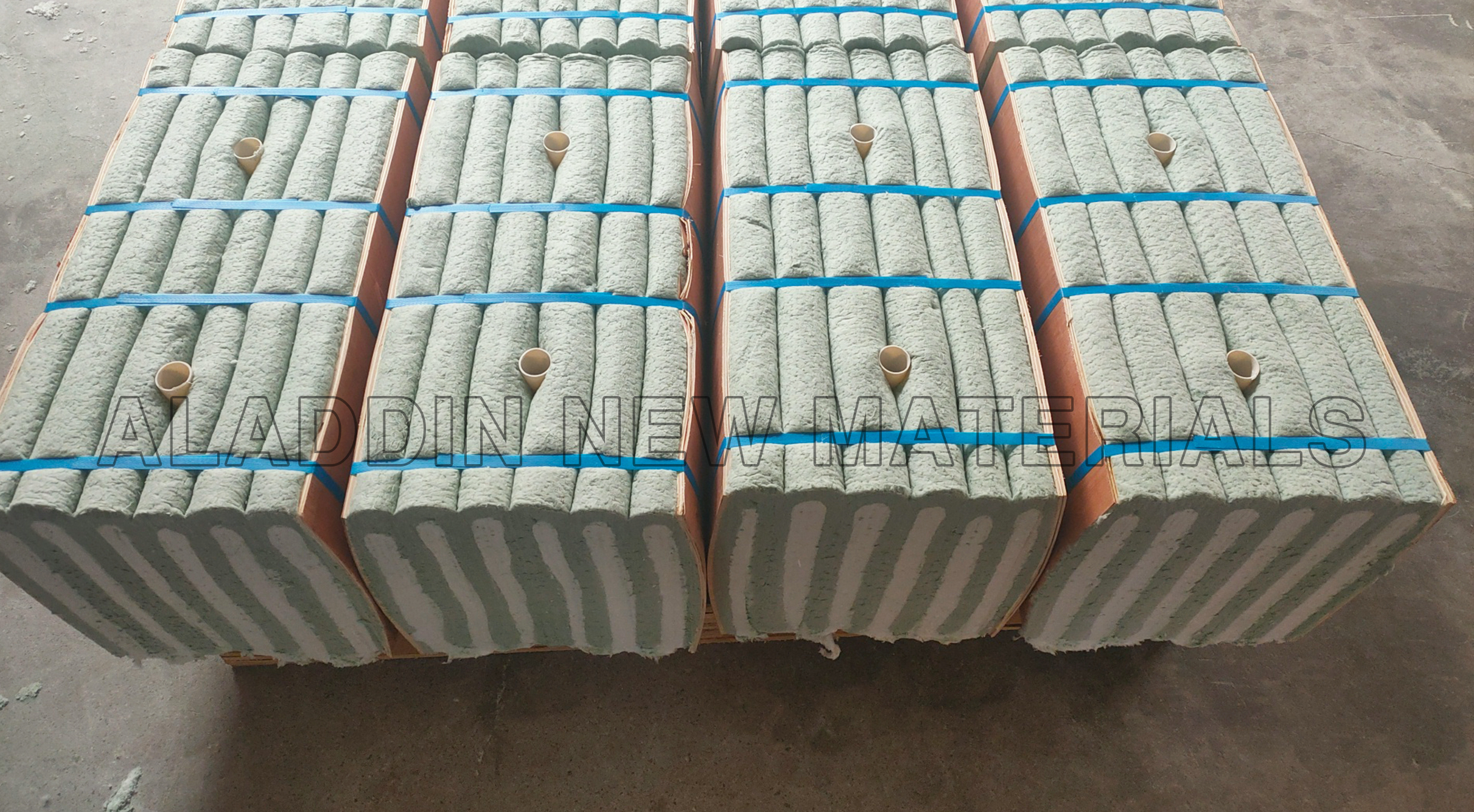
Features: Pre-compressed fiber blocks; expand after installation to form seamless linings with superior thermal shock resistance.Applications: Rapid-install lining for industrial furnaces including heat treatment furnaces and heating furnaces. (3) Ceramic Fiber Board
Features: Rigid panels pressed with inorganic binders, with good resistance to gas flow erosion.Applications: Hot-face lining of kilns or positions requiring certain mechanical strength. (4) Ceramic Fiber Paper
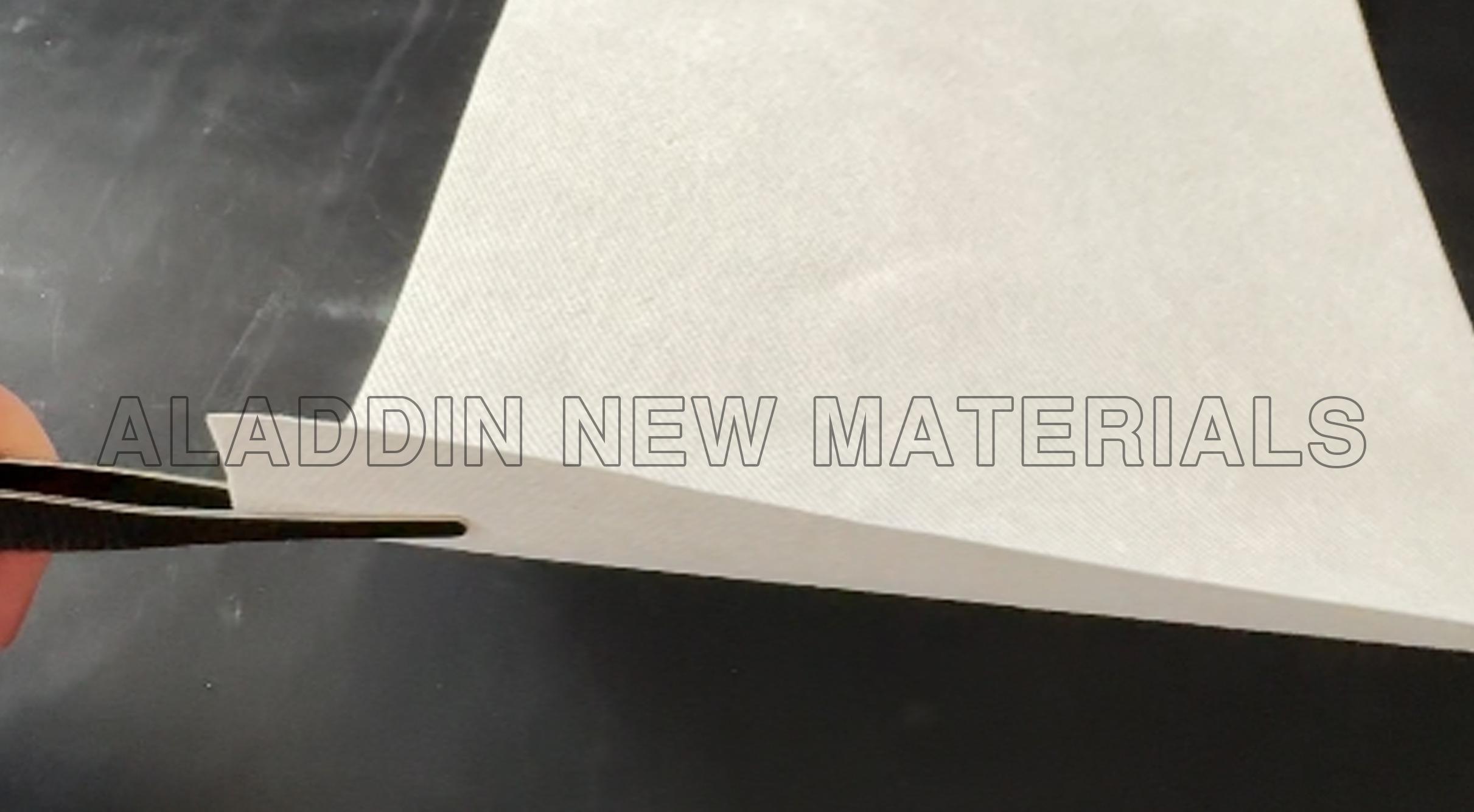
Features: Ultra-thin (0.5–6 mm), flexible, high-temperature resistant sealing material.Applications: Furnace door sealing and filling of expansion joints. (5) Custom Vacuum-Formed Ceramic Fiber Shapes
Features: Integrally molded, tailor-made to specified dimensions; good sealing performance, certain rigidity and anti-erosion capacity.
With superior thermal insulation, lightweight structure, excellent thermal shock resistance and easy construction, ceramic fiber products have become the preferred material for energy-saving retrofitting of high-temperature kilns. They are extensively used in steel, ceramics, petrochemical, waste incineration and other industries, which can significantly cut energy consumption, raise production efficiency and extend equipment service life.In the future, with advances in new material technology, ceramic fiber will gain broader applications in high-temperature industrial sectors, providing vital support for green manufacturing and low-carbon production.

 Send Email
 WhatsApp