Application and Maintenance of Ceramic Fiber Modules in Annealing Furnaces
Ceramic fiber modules have become the preferred lining material for modern annealing furnaces due to their outstanding thermal insulation performance, lightweight property and excellent thermal shock resistance.
Application: Key Points for Design and Installation
Proper material selection and installation lay the foundation for long service life.
Module Material Selection
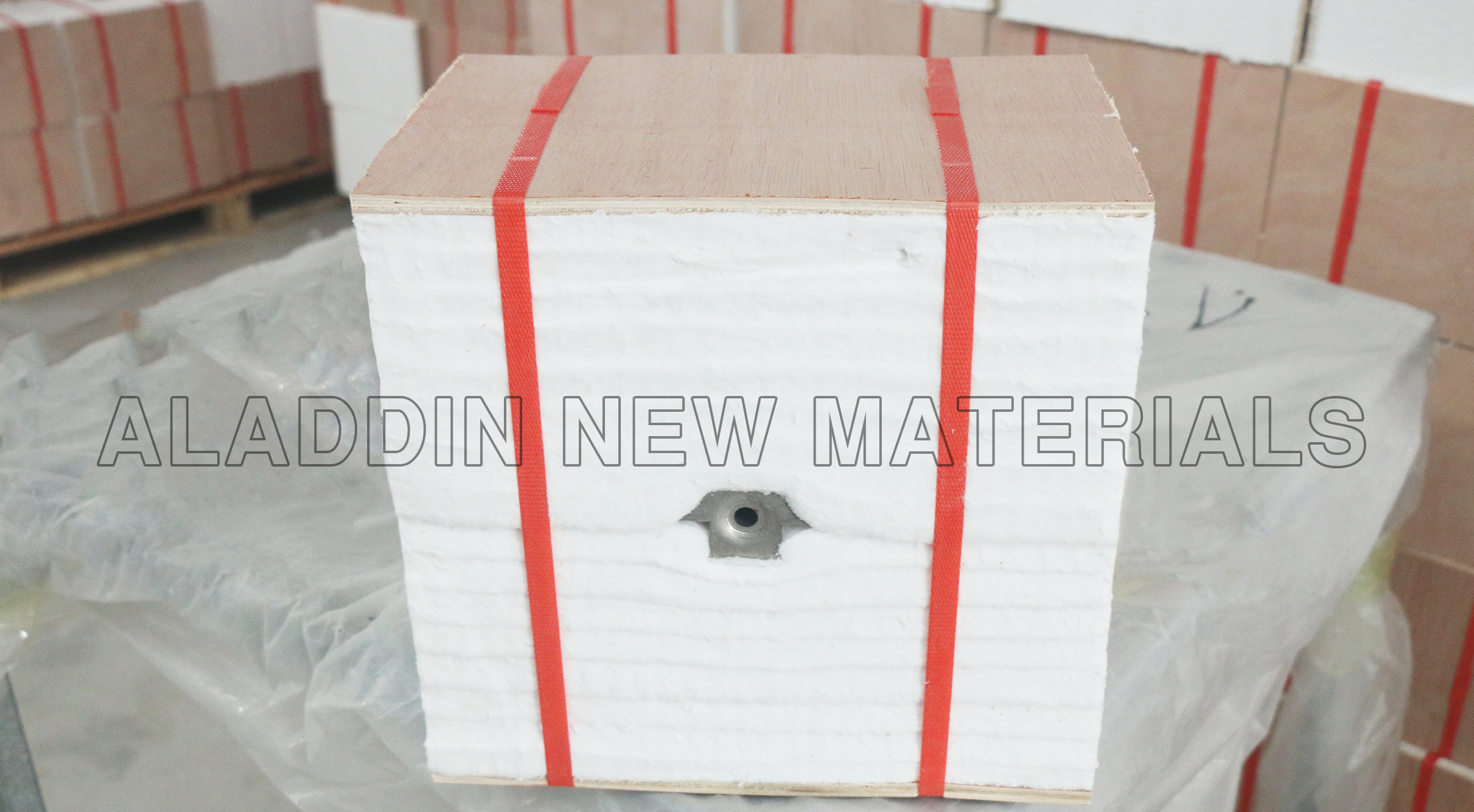
Material grade selected according to furnace operating temperature:
Standard grade (1000–1050°C) applies to low-temperature annealing furnaces; Zirconia-containing grade (1250–1350°C) is suitable for most annealing furnaces, high-temperature stainless steel annealing furnaces and working conditions with extreme high temperature requirements.
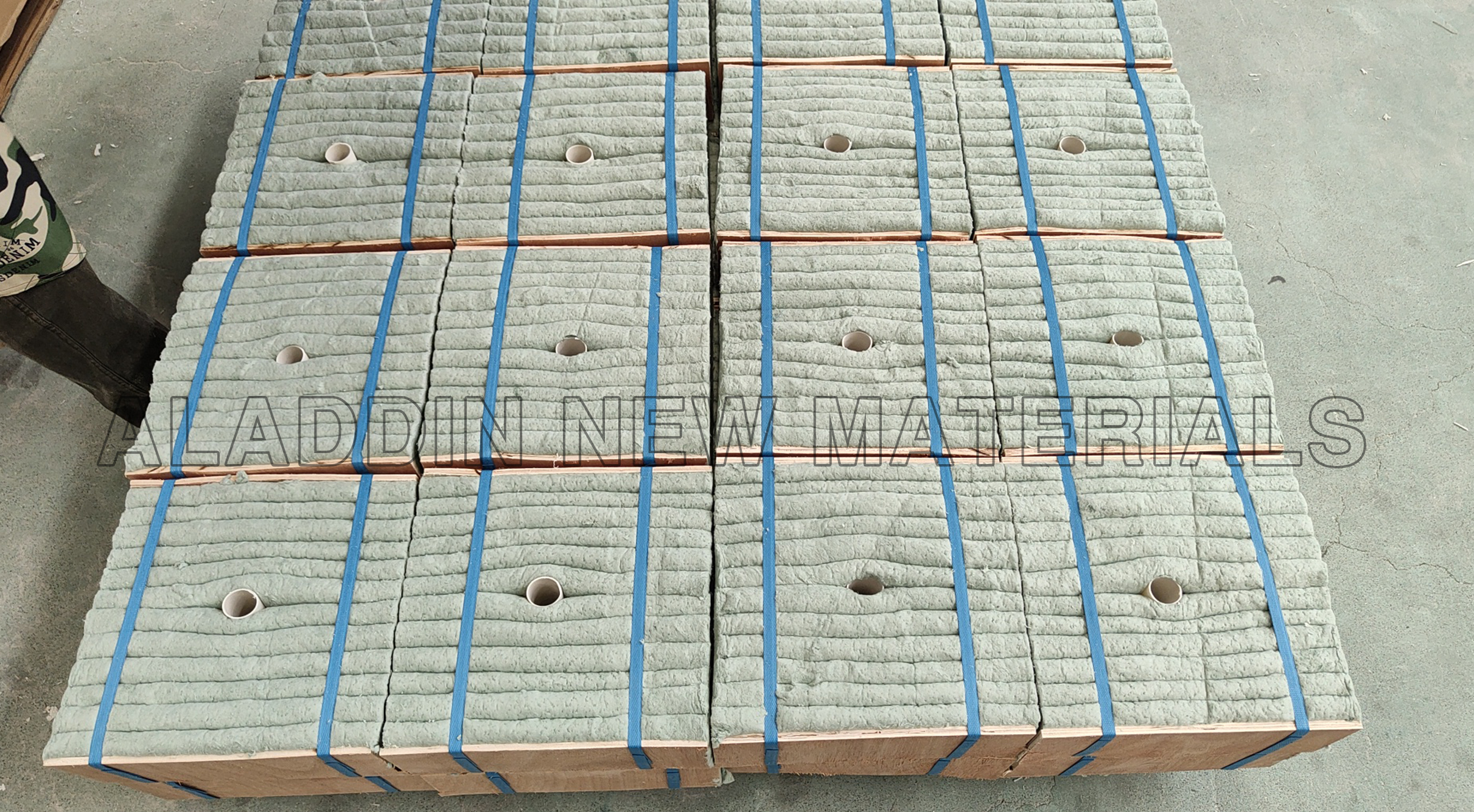
Structure: Folded modules are recommended. Anchors are hidden on the cold side, delivering an integrated hot surface with uniform expansion.
Anchoring system: Anchors shall be made of heat-resistant alloy steel such as 304 and 310S. Their layout spacing shall strictly follow design drawings to ensure even force distribution.
Installation Procedures
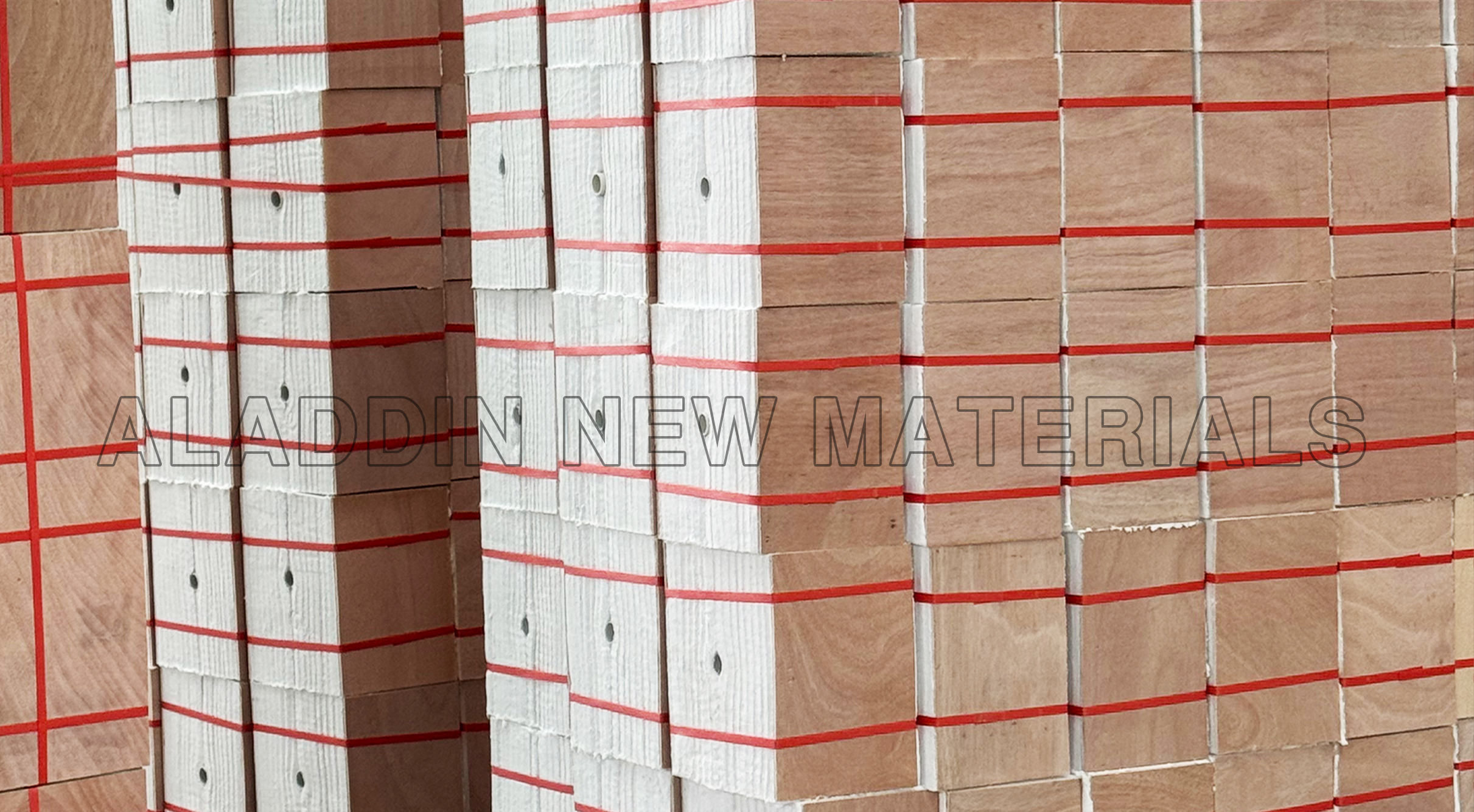
Install modules row by row closely starting from the furnace roof. Squeeze adjacent modules tightly to form a seamless monolithic lining.
Keep the hot surface flat and aligned without gaps or steps to prevent erosion damage caused by flue gas flow.
Modules rely on rebound force after pre-compression for tight bonding.
After installation, spray high-temperature curing coating on the hot surface to improve surface hardness, seal fibers against shedding and boost reflectivity for energy conservation.
Daily Operation: Standard Operating Practices
Standardized operation directly determines the service life of the lining.
Mild temperature rise and fall: Avoid drastic temperature fluctuations and follow the recommended heating curve.
Prevent mechanical damage: Avoid workpieces or material racks hitting and scratching the lining during loading and unloading.
Keep furnace interior clean: Prevent molten metal scraps and oxide scales from splashing onto the lining to avoid chemical reactions with fibers.
Avoid corrosive atmospheres: Ceramic fibers have weak resistance to acidic atmospheres containing sulfur, phosphorus and other elements, which requires special attention during material selection.
Maintenance: Periodic Inspection and Repair
Regular inspection and timely maintenance are critical to stable furnace operation.
Periodic Inspection
Cold inspection (after shutdown): Enter the furnace to check for cracks and spalling on the surface curing layer; focus on damaged or loose anchors on the furnace roof and gaps between modules.
External inspection (after long-term service): Judge overheating areas inside the furnace via whitened discoloration on the furnace shell paint.
Hot inspection (during operation): Check local hot spots through observation holes, which signal thinning or damaged lining.
Common Defects and Repair Solutions
Cracks or spalling of surface curing coating: Clean the defective area and re-spray curing coating.
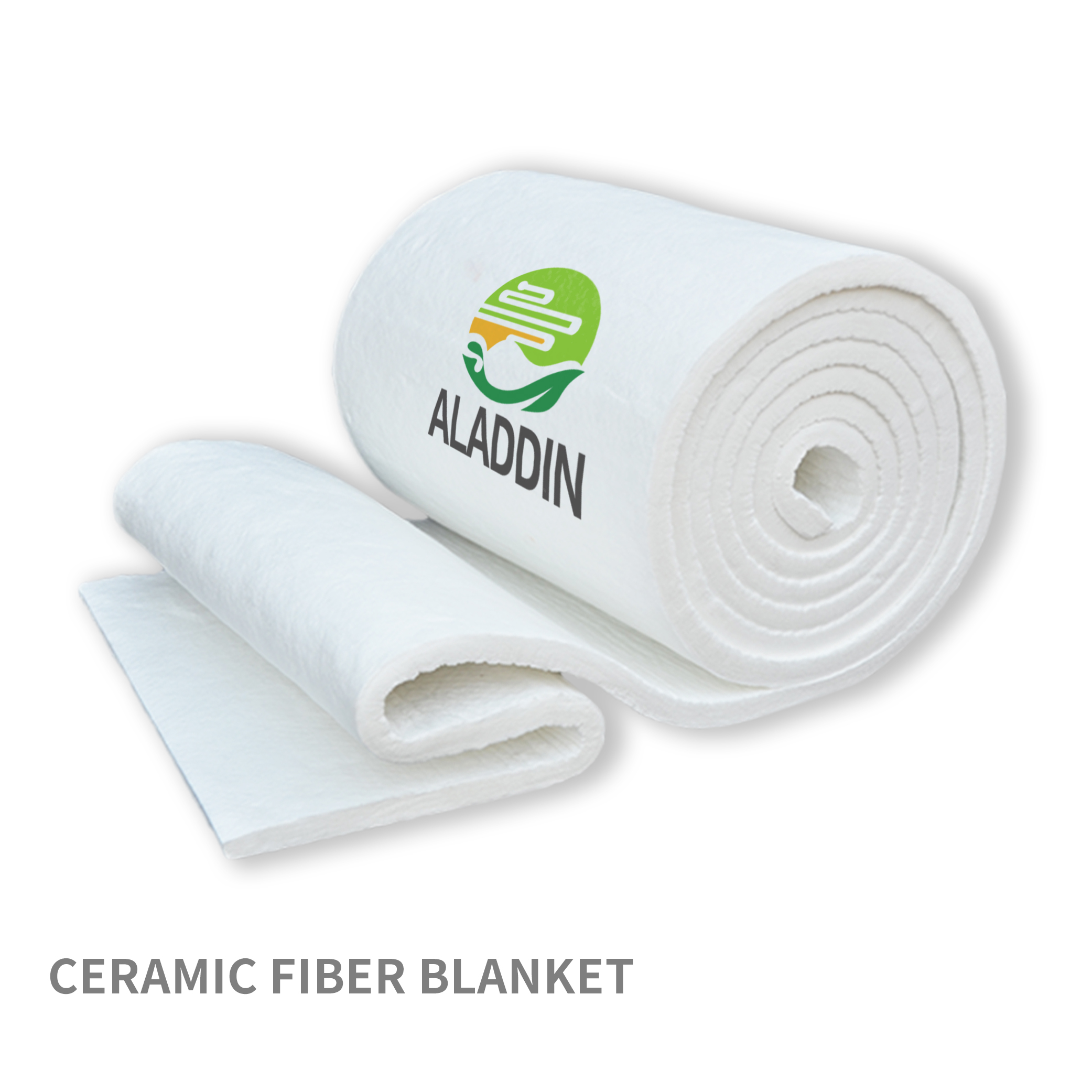
Module gaps (less than 10 mm): Fill tightly with ceramic fiber blanket or bulk fiber.
Localized damage: Remove damaged modules, inspect and replace faulty anchors, then install new modules. Easy partial replacement is a major advantage of modular lining.
Damaged anchors: Replacement of anchors and covering modules must be carried out by professional technicians.
Maintenance Safety Regulations
Cut off power supply, cool down the furnace fully, ventilate the interior and assign a supervisor before personnel enter the furnace for maintenance.
Operators must wear dust masks, gloves and protective clothing to avoid hazards from fiber dust.
Ceramic fiber modules deliver reliable performance in annealing furnaces. Long service life relies on three core links: correct material selection and professional installation at the preliminary stage, standardized operation and damage prevention during service, as well as regular inspection and partial repair in later stages. With scientific application and maintenance, this lining can achieve a long service life of over 5–10 years while realizing safe production and energy efficiency.
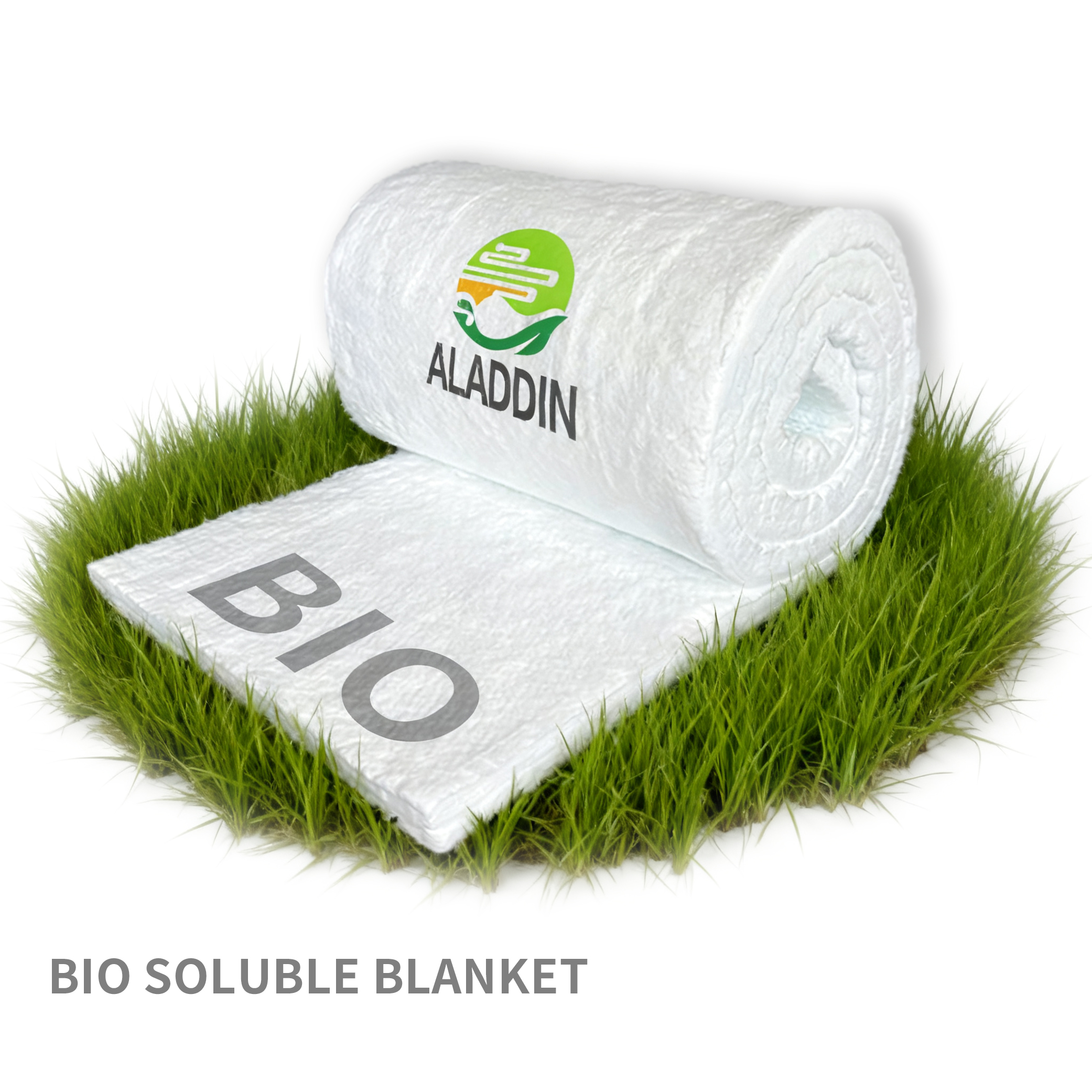
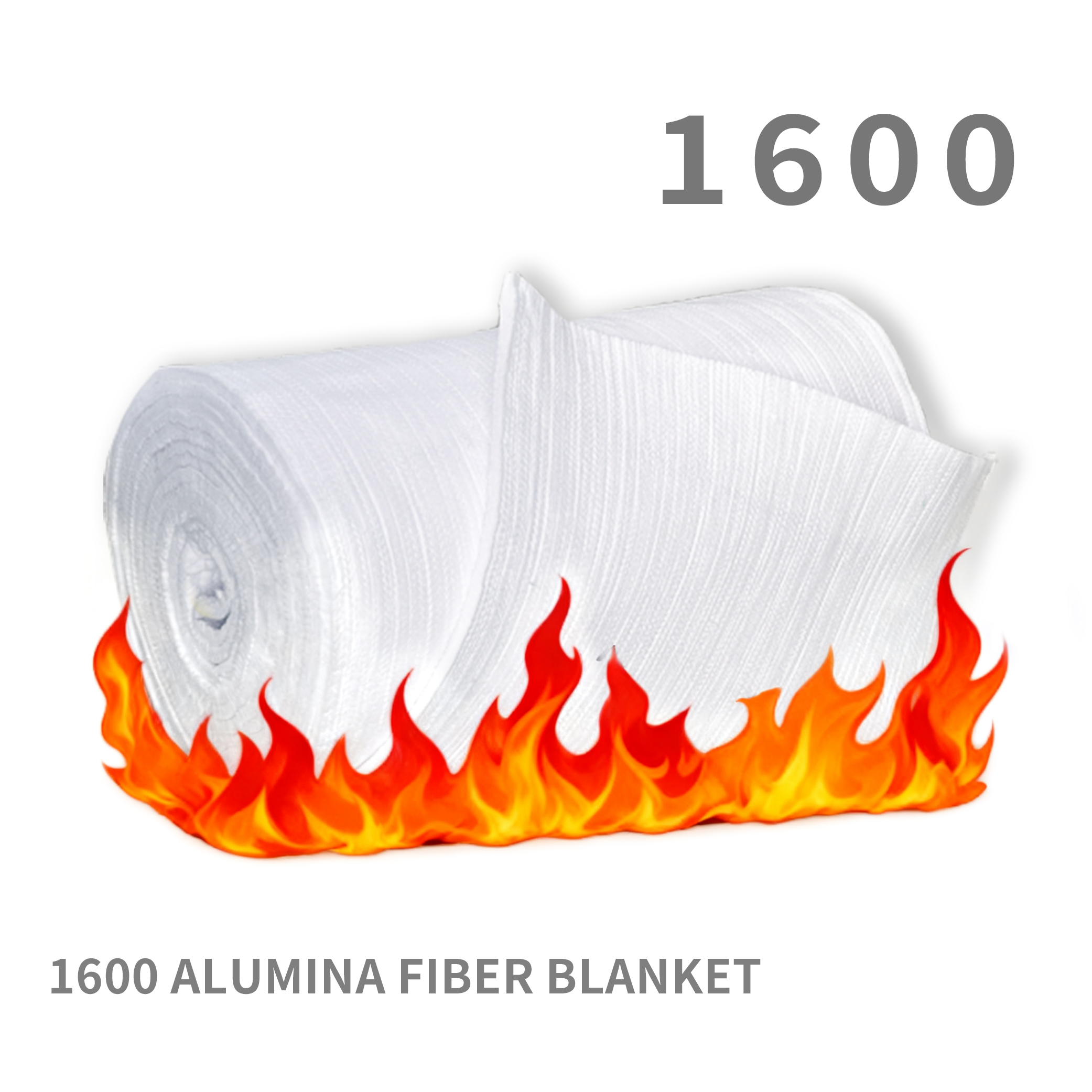
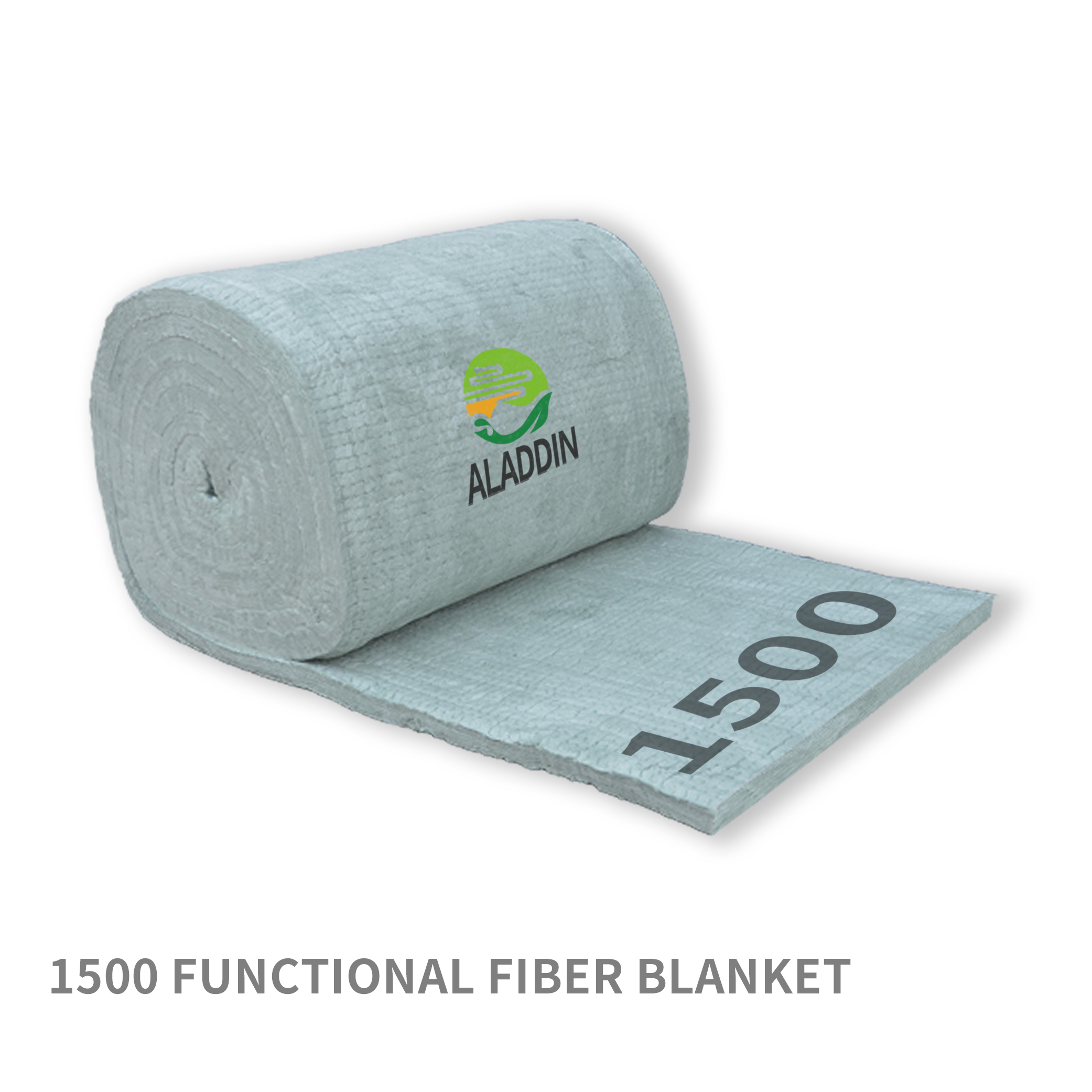
Aladdin High Temperature Materials Co., Ltd. is a professional ceramic fiber manufacturer with more than 30 years of development experience, integrating production, R&D and engineering development. We own four major production bases nationwide located in Hebei, Shandong, Shanxi and Jiangsu, with over 10 production lines and an annual output exceeding 40,000 tons.
All ceramic fiber products of Aladdin are equipped with corresponding test reports and comply with national standards. If you are interested in our products, please send us a private message or type "Purchase" to obtain our contact information!

 Send Email
 WhatsApp