Application Advantages of Ceramic Fiber Composite Modules in Various Fields
In high-temperature industrial sectors, the performance of kiln lining materials directly determines production energy consumption, equipment service life and operating costs. Conventional refractory materials can hardly meet modern industry’s stringent demands for high efficiency, energy conservation and reliability. Against this backdrop, ceramic fiber composite modules have been developed. This innovative material is resetting the technical benchmarks for high-temperature thermal insulation with outstanding comprehensive performance.
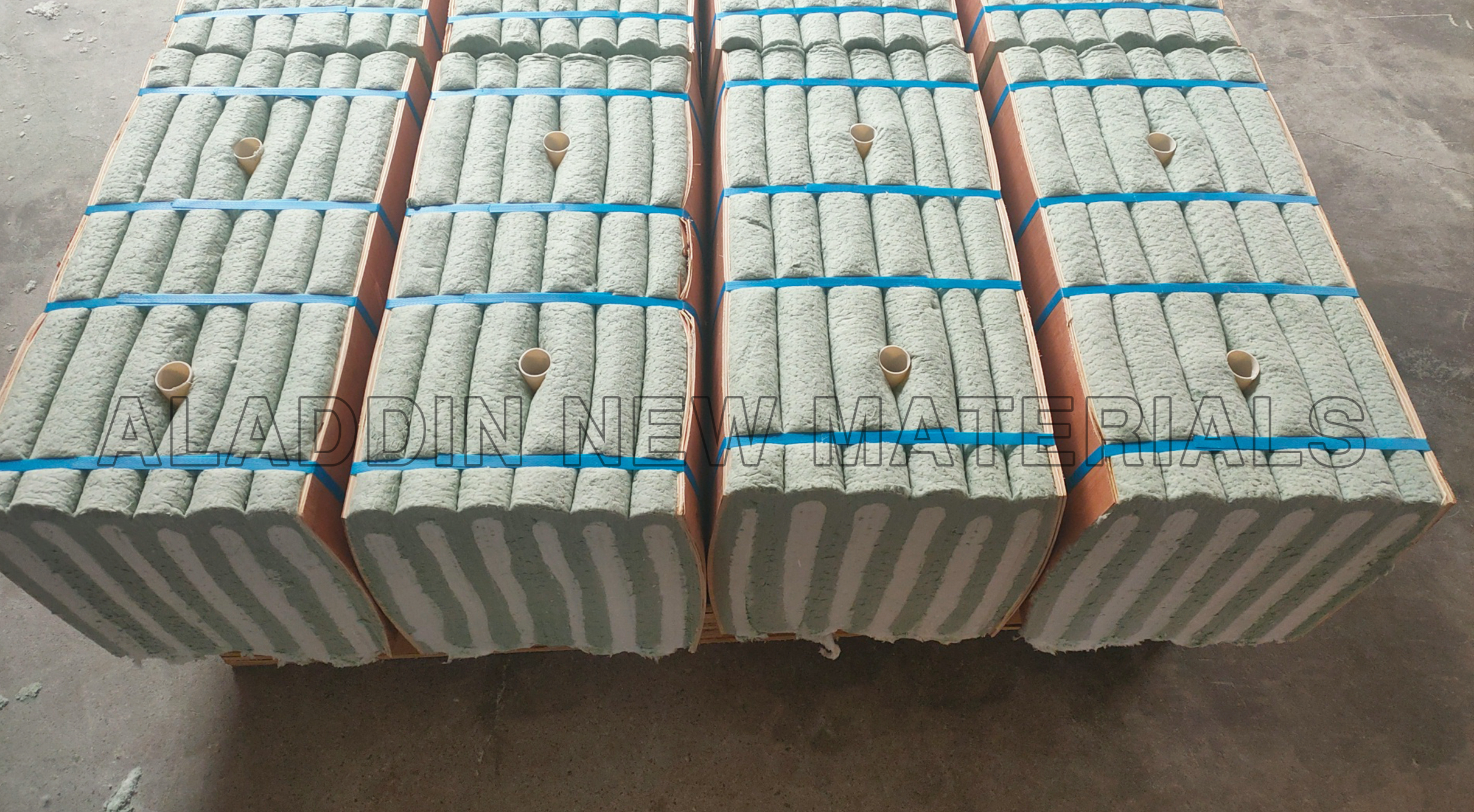
PART 01 Material Innovation: Performance Breakthrough via Composite Structure
Ceramic fiber composite modules are modular thermal insulation products manufactured by laminating zirconia-containing ceramic fiber blankets and 1500-grade functional ceramic fiber blankets through lamination design and pre-compression processes.
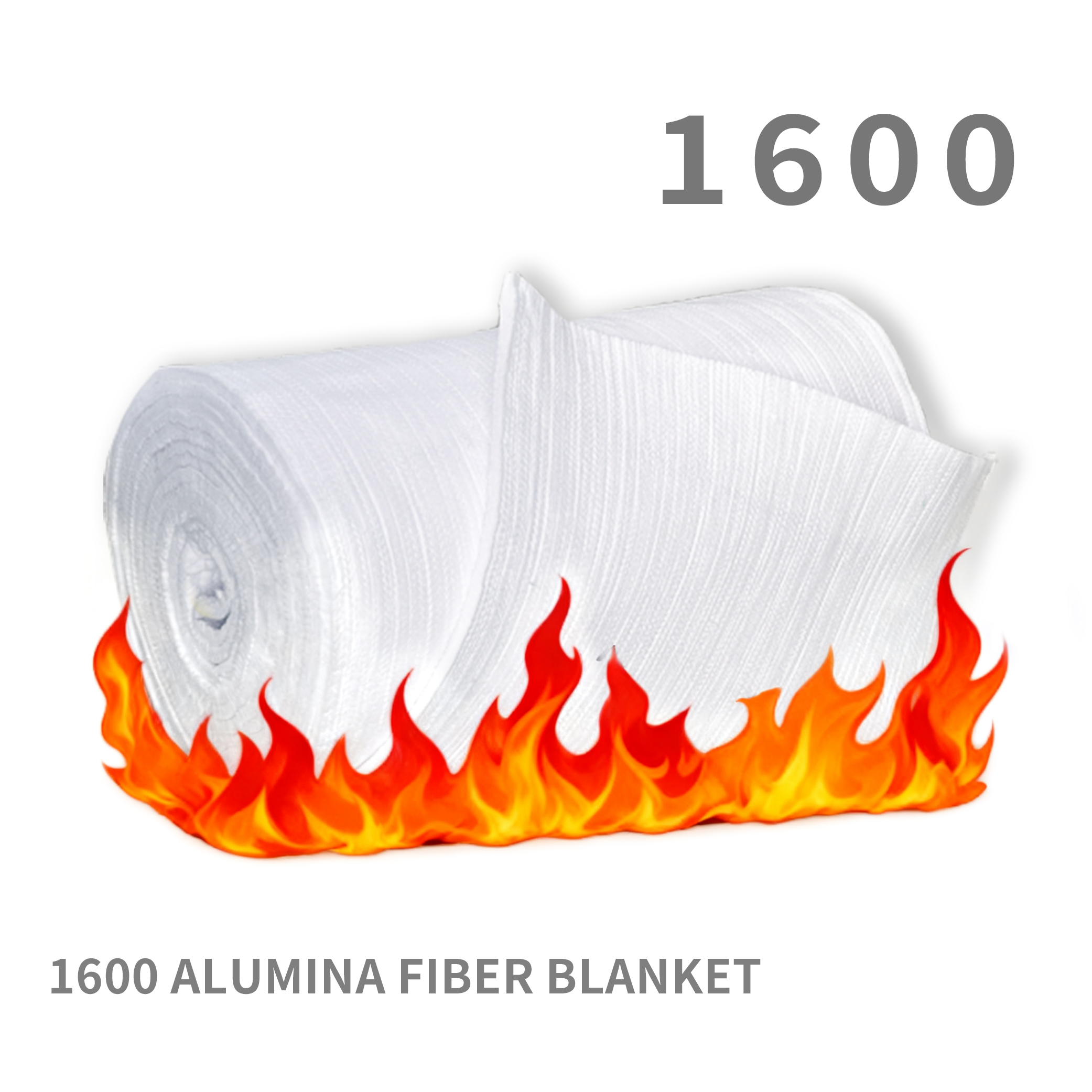
With zirconia oxide added, zirconia-containing fiber blankets deliver exceptional thermal shock resistance and chemical stability under long-term service temperatures ranging from 1200℃ to 1250℃. In particular, their resistance to reducing atmospheres and alkaline corrosion is greatly enhanced.
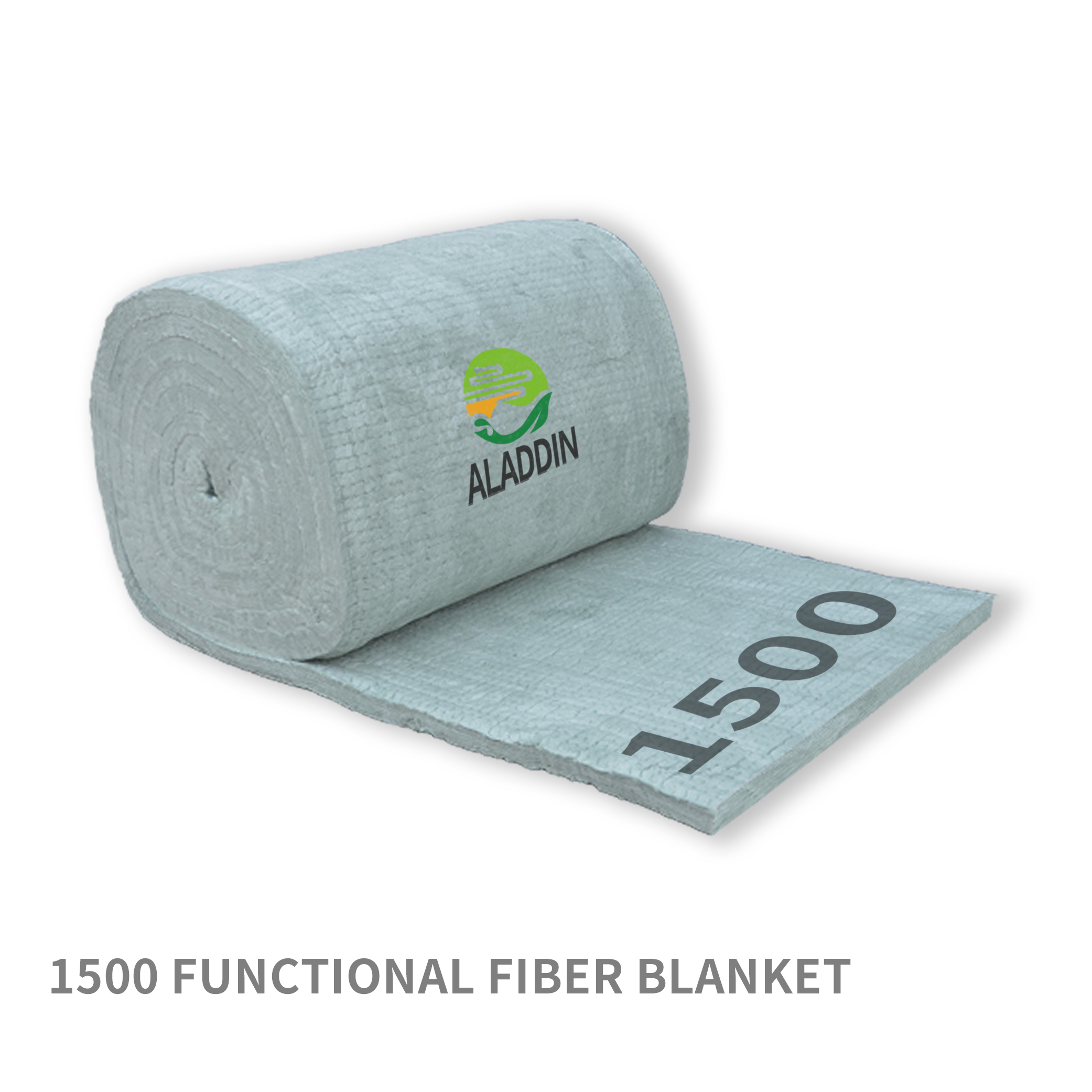
Thanks to chromium-containing ingredients, the 1500-grade fiber blanket raises the long-term service temperature to 1350℃, with a short-term temperature resistance up to 1500℃. More importantly, it boasts superior corrosion resistance to withstand erosion from sulfides, acid gases and alkaline molten slags effectively.
PART 02 Performance Advantages: Outperforming Traditional Materials in All Aspects
Superior thermal performance constitutes the core strength of composite modules. Its thermal conductivity remains below 0.26 W/(m·K) at 1000℃. The low heat capacity drastically accelerates heating and cooling cycles of kilns and cuts energy consumption significantly. Compared with conventional refractory bricks, it reduces energy usage by around 30% and delivers remarkable energy-saving benefits.
Outstanding resistance to chemical corrosion enables stable performance under harsh working conditions. In equipment with complex corrosive atmospheres such as petrochemical cracking furnaces and waste incinerators, the sulfur and alkali resistance of composite modules multiplies furnace lining service life and minimizes losses caused by unplanned shutdowns.
Unique pre-compression design endows the product with excellent mechanical properties and structural stability. After installation, the modules expand to form an integral seamless lining, which effectively eliminates thermal bridging found in traditional brickwork. The long-fiber structure produced by the spinning process boosts tensile strength by 30%, alongside excellent resilience and wind erosion resistance to withstand drastic temperature fluctuations and airflow scouring.
Cost-effective construction and maintenance are another major merit. Modular installation lifts construction efficiency by over 50%. Damaged sections can be replaced individually, slashing maintenance time and costs. The lightweight design (bulk density: 200–250 kg/m³) lessens loads on kiln steel structures and offers greater flexibility for equipment design.
PART 03 Application Fields: Solving Challenges Under Extreme Working Conditions
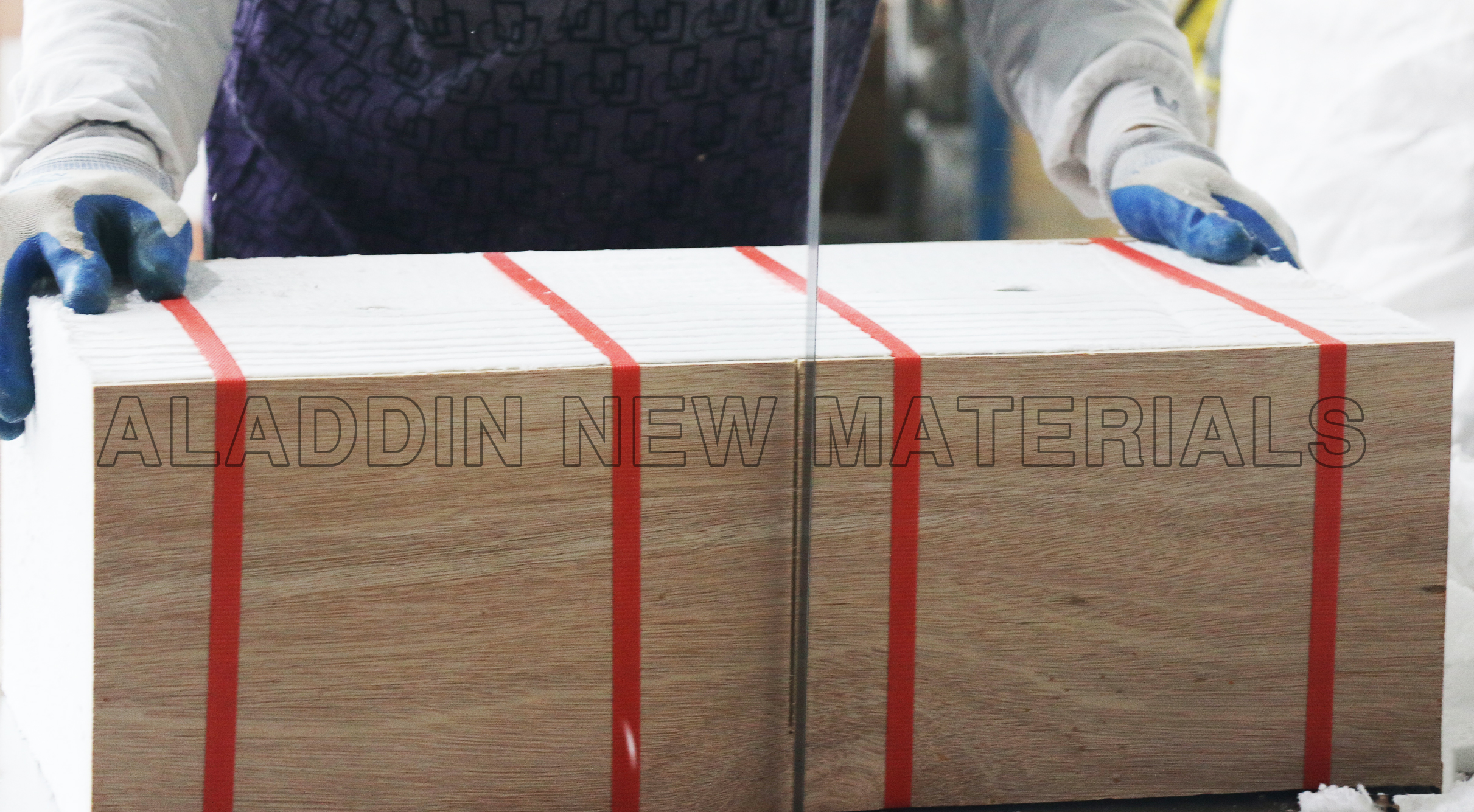
Ceramic fiber composite modules have become the preferred solution for numerous high-end industrial sectors:
Petrochemical IndustryEquipment such as radiation sections of ethylene cracking furnaces and hydrogen production reformers operates at high temperatures with complex atmospheres. Composite modules provide reliable thermal protection to guarantee long-term stable operation of units. Environmental Incineration IndustryAcid gases inside municipal solid waste incinerators and hazardous waste treatment furnaces corrode ordinary refractories. The corrosion resistance of composite modules addresses this problem and extends maintenance intervals. Metallurgical IndustryEquipment including ladle covers and aluminum melting furnaces bears intense thermal loads. The thermal shock resistance of composite modules maintains structural integrity under rapid heating and cooling cycles. Ceramics & Glass IndustryAdoption of composite modules in high-temperature tunnel kilns and roller kilns improves uniform heating of finished products and greatly lowers energy consumption, bringing direct economic gains to manufacturers.
As industrial technology advances toward higher temperature, higher efficiency and eco-friendliness, ceramic fiber composite modules have evolved into indispensable core materials for modern high-temperature industrial equipment by virtue of their comprehensive performance strengths. The wide adoption of this material marks progress in thermal insulation technology, and reflects the full pursuit of efficiency, reliability and environmental responsibility across industrial development.
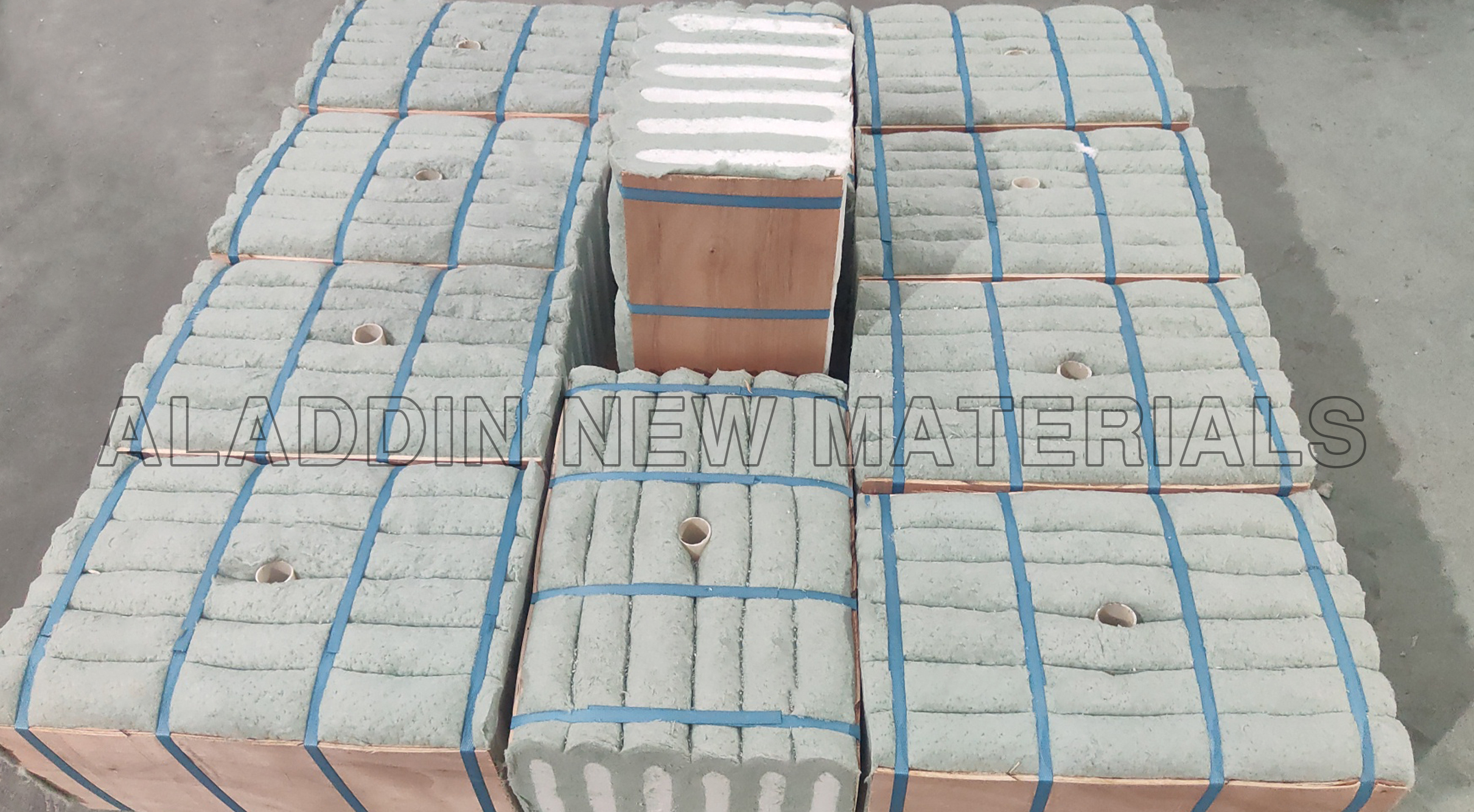
Aladdin High-Temperature Materials
With over 30 years of development, Aladdin High-Temperature Materials Co., Ltd. is a professional ceramic fiber manufacturer integrating production, R&D and engineering development.We operate four major production bases nationwide located in Hebei, Shandong, Shanxi and Jiangsu, equipped with more than 10 production lines and an annual output exceeding 40,000 tons. All ceramic fiber products from Aladdin come with corresponding test reports and comply with national standards of China.If you are interested in our products, feel free to send us a private message, or reply with the word "Purchase" to obtain our contact information!

 Send Email
 WhatsApp