Selection of Bulk Density for Ceramic Fiber Modules: Not the Higher the Better – Strike an Optimal Balance Among Insulation Performance, Structural Strength, Service Life and Economic Benefits
This article delivers a comprehensive selection guideline from three perspectives: core principles, process limits and practical applications.
1. Core Principle: Non-Linear Correlation Between Thermal Conductivity and Bulk Density
The thermal insulation capacity of ceramic fiber relies on static air pockets trapped inside the material. Increased bulk density cuts down convective heat transfer and lowers thermal conductivity, yet this improvement follows the law of diminishing returns.Once the bulk density exceeds the critical threshold of 260 kg/m³, excessive solid contact points form thermal bridges between fibers and accelerate heat transfer, which pushes thermal conductivity upward instead. Therefore, blindly pursuing ultra-high bulk density brings no benefits to thermal insulation performance. 2. Process Limits: Threshold of Structural Integrity
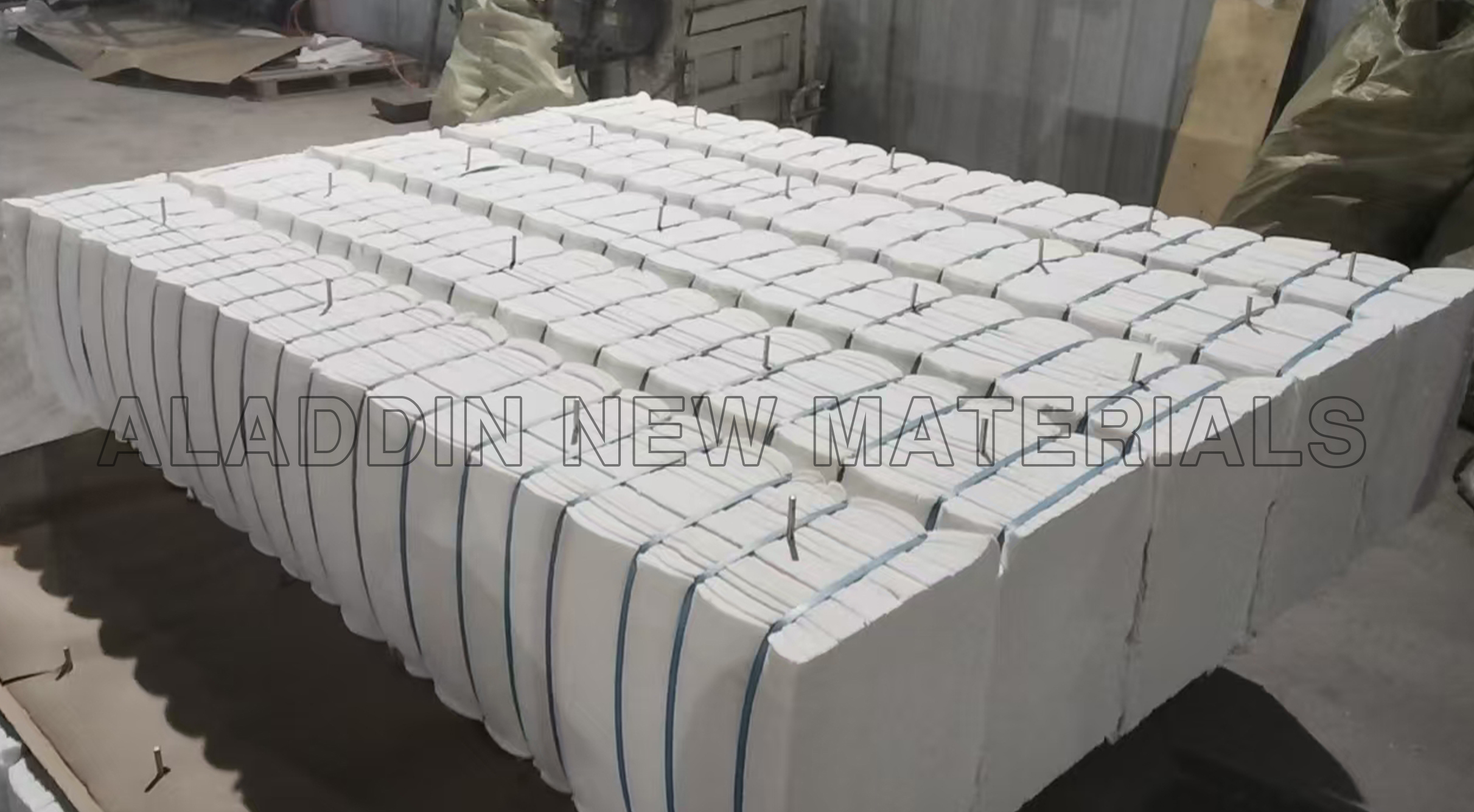
Modules manufactured from blown long fiber blankets have an upper bulk density limit determined by production technology. In practice, 300 kg/m³ is regarded as the maximum feasible density.If this limit is exceeded, the fiber breakage rate will surge up to 48% during compression molding. This severely damages the fiber network structure, impairs flexibility and thermal shock resistance, and ultimately shortens the long-term service life and weakens structural stability of modules.
Part 3 Optimal Selection Strategies
Based on the above principles, the range of 180–240 kg/m³ serves as the golden window balancing overall performance and manufacturability.
1. General Standard Working Conditions (190–220 kg/m³)
Heat treatment furnaces (annealing furnaces, normalizing furnaces)
Box furnaces and vertical furnaces in petrochemical industry
Roofs and side walls of roller kilns and tunnel kilns
AdvantagesBalanced thermal insulation performance and moderate mechanical strength with the best cost-performance ratio. 2. High Wind Speed & Strong Airflow Conditions (220–240 kg/m³)
Higher bulk density is recommended for furnaces with high-speed flue gas flow or frequent door opening and closing.Application Scenarios Bell furnaces and soaking furnaces for steel industry
Kilns equipped with forced convection fans
Linings for flues and chimneys
Disturbance-prone areas such as furnace doors and observation ports
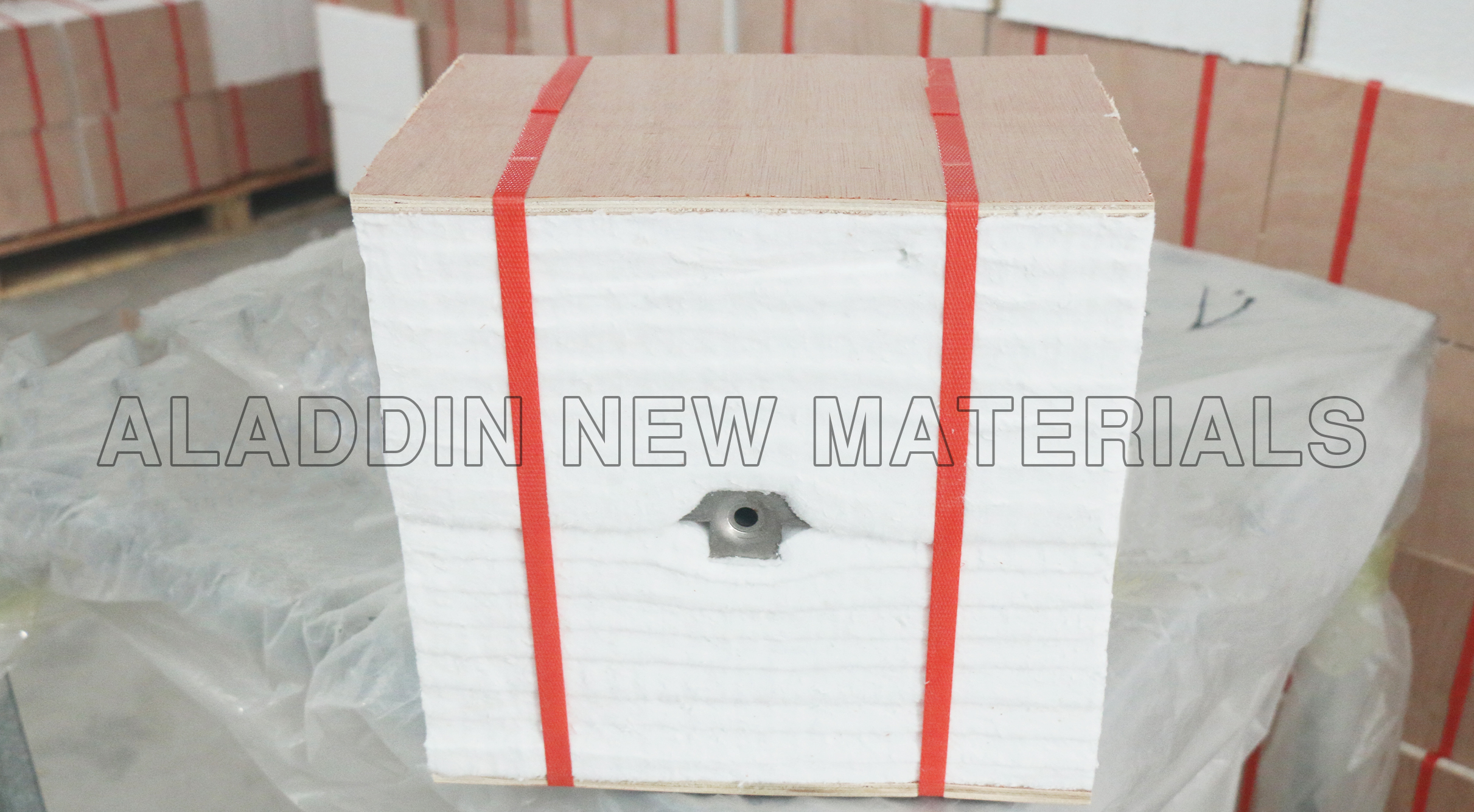
AdvantagesDenser high-density fiber modules feature higher hardness, effectively resisting airflow erosion and abrasion to avoid fiber breakage and shedding. 3. Severe Special Working Conditions (≥240 kg/m³)
For applications demanding premium mechanical strength and structural stability.Application Scenarios Suspended furnace roof structures: High-density modules deliver superior tensile strength to resist self-weight and high-temperature creep, preventing sagging deformation.
High-pressure and ultra-high wind speed environments
Projects requiring extreme structural stability and extended service life
AdvantagesOutstanding tensile strength and structural stability to eliminate sagging and deformation. 4. Rapid Thermal Cycling Conditions (160–200 kg/m³)
A relatively lower bulk density is suitable for batch-type kilns requiring fast heating and cooling cycles.Application ScenariosLaboratory furnaces, short-cycle intermittent production furnaces
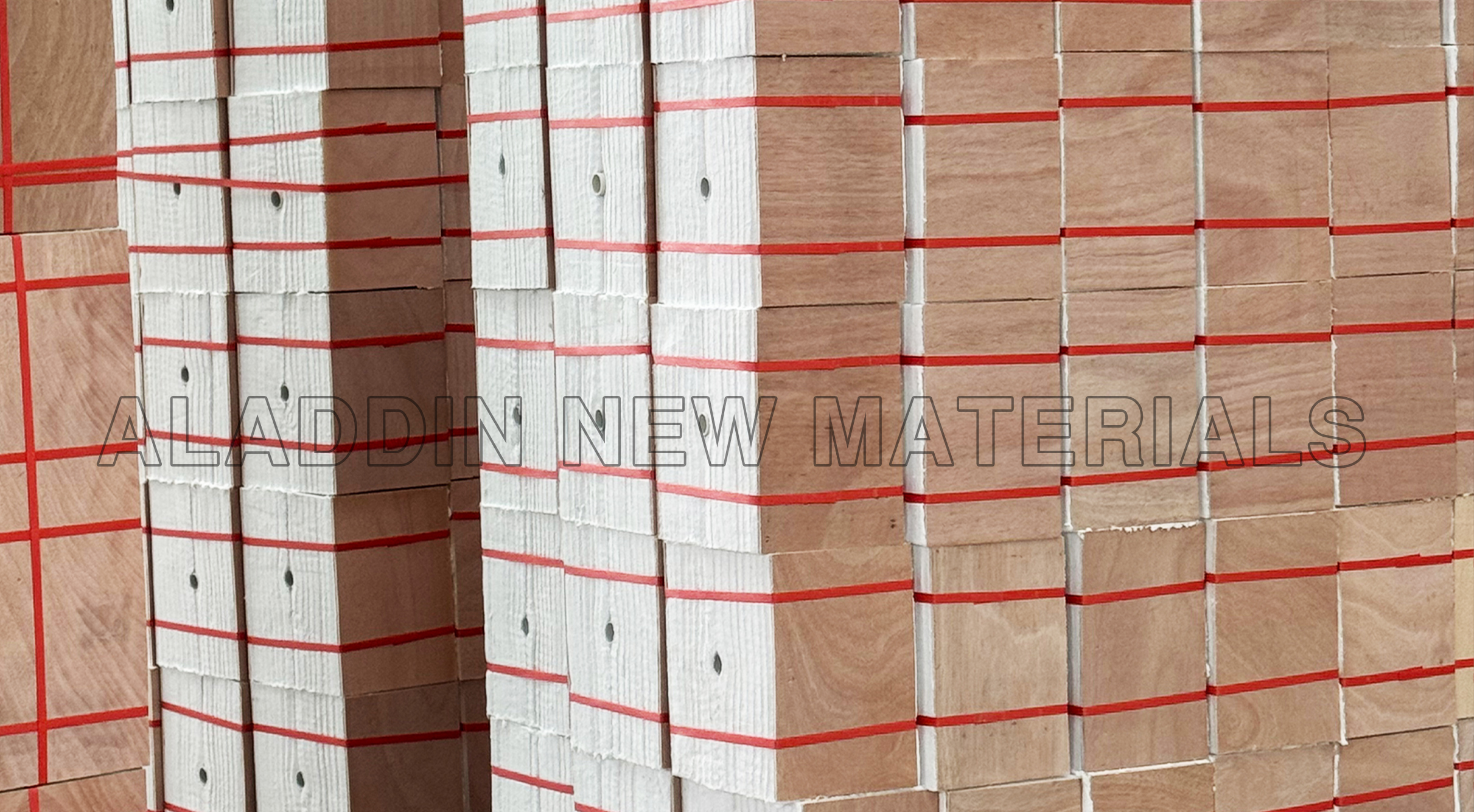
AdvantagesLower bulk density means smaller heat storage capacity, reducing energy consumption and speeding up furnace heating and cooling to realize rapid thermal response and energy savings.NoteMechanical strength must be fully evaluated; not applicable for environments with strong airflow. General Selection Principle: Choose the Right Density, Not the Extreme
By comprehensively evaluating furnace type, operating temperature, airflow velocity and other site-specific working conditions and selecting density within the optimal range, you can achieve the optimal combination of thermal insulation performance, mechanical strength and economic efficiency.
Aladdin High-Temperature Materials
Aladdin High-Temperature Materials Co., Ltd. boasts over 30 years of experience as a professional ceramic fiber manufacturer integrating production, R&D and engineering development.We operate four major production bases across Hebei, Shandong, Shanxi and Jiangsu provinces with more than 10 production lines and an annual output exceeding 40,000 tons. All Aladdin ceramic fiber products come with complete test reports complying with national Chinese standards. If you are interested in our products, feel free to send us private messages or type "PURCHASE" to obtain our contact information!

 Send Email
 WhatsApp