
In thermal‑insulation projects for industrial kilns and high‑temperature pipelines, ceramic fiber modules are widely preferred thanks to their superior heat‑insulating performance and easy installation. Nevertheless, seemingly minor mistakes during installation can lead to severe consequences. Below we break down three typical on‑site errors.
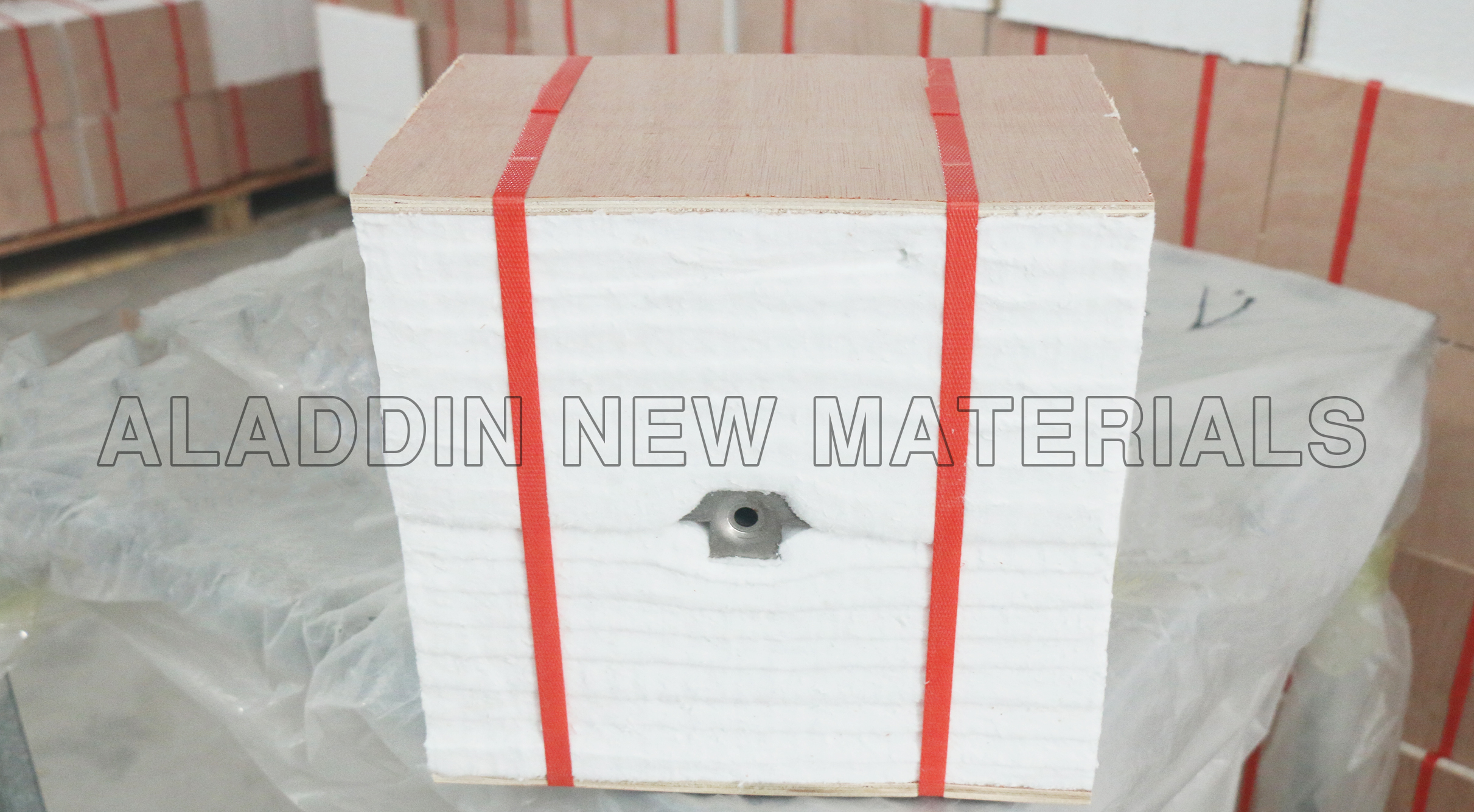
To rush construction schedules, workers may start welding modules right away without thorough quality checks.
Prior to installation, inspect the furnace shell steel plate for flatness and rust. Check every anchoring fastener individually for corrosion and welding integrity. Modules rely entirely on these embedded anchors. Poor welding or rusted anchors will inevitably cause module falling‑off in service, resulting in heat loss and even safety hazards. Tap each welded anchor one‑by‑one after welding to confirm every fastener is firmly secured.
This is the most frequent‑seen problem. Fear of damaging modules or insufficient compression force leaves visible gaps between adjacent modules.
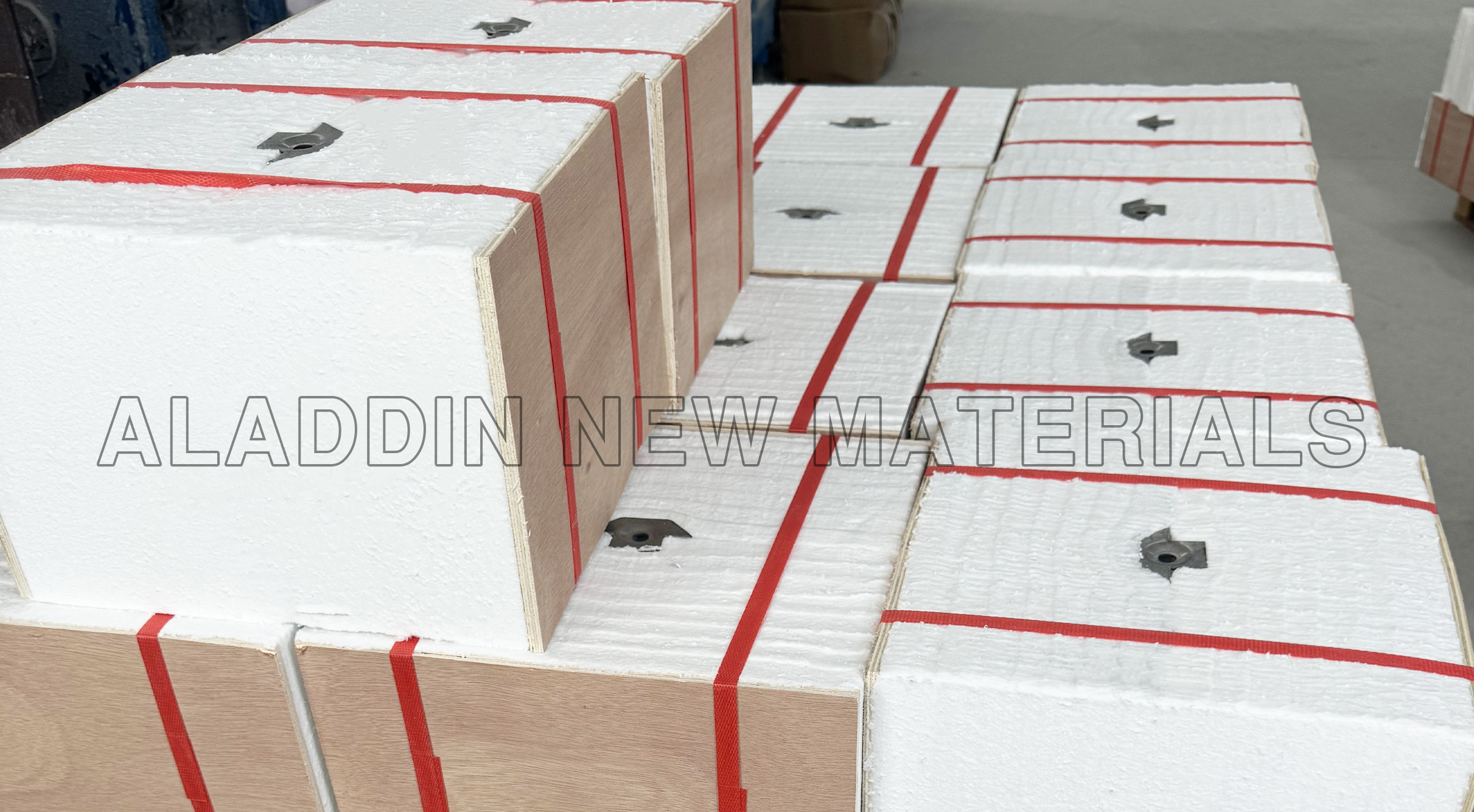
Proper installation requires firm and tight compression. Fibers of neighboring modules shall interlock after installation with flat and gap‑free surfaces. The installation fails if gaps remain or modules can be shaken by hand. Even several‑millimeter gaps will form thermal bridges under high temperature, allowing heat penetration and complete insulation failure. Use dedicated tools to push modules and achieve adequate compression.
When modules need trimming for irregular shapes, on‑site workers often cut at will without considering subsequent fixing reliability.
Cutting positions must be carefully selected. Never cut randomly through the middle of modules, as this damages the internal anchoring structure. Make cuts at joints between module rows or as close to module edges as possible to preserve the main structural integrity. Keep cutting surfaces neat and compact loose fibers around cuts. Ensure cut modules fit tightly against surrounding units.
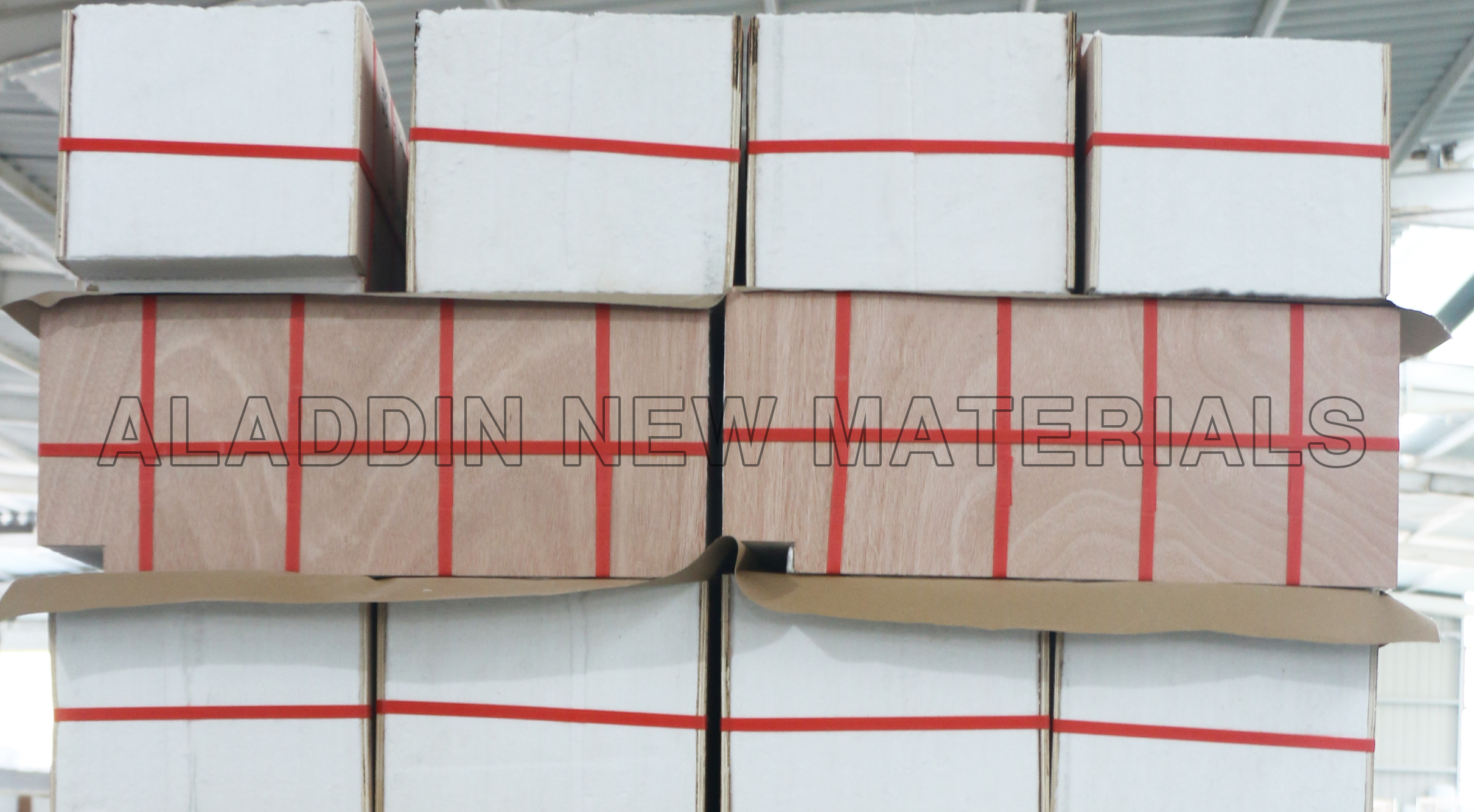
Uniform orientation: Align fiber layers perpendicular to the furnace shell for optimal thermal‑shock resistance.
Staggered joint layout: Stagger vertical seams of upper and lower layers just like brick‑laying, to avoid continuous through‑gaps.
Personal protection: Wear masks and protective clothing to prevent fiber dust irritation to skin and respiratory tracts.
Timely adjustment: Replace or rework modules with improper dimensions or over‑compression immediately.
For ceramic fiber module work, materials account for 30 % of performance while installation quality accounts for 70 %. Reliable anchoring, sufficient module compression and proper cutting guarantee basic insulation performance and service life.
Aladdin High‑Temperature Materials Co., Ltd. boasts over 40 years of experience as a professional ceramic‑fiber manufacturer integrating production, R&D and engineering services. We operate four domestic production bases in Hebei, Shandong, Shanxi and Jiangsu, with more than 30 production lines and an annual output exceeding 200,000 tons.
All Aladdin ceramic‑fiber products come with relevant test reports and comply with Chinese national standards. Should you have interest in our products, please send us direct messages or type “Purchase” to obtain our contact details.
LiveChatX
 Send Email
 WhatsApp