
During the operation and maintenance of high‑temperature equipment, standard fiber boards often fail to fit non‑standard sections such as irregular‑shaped cavities and metallurgical heat‑resistant components. On‑site cutting and splicing tend to produce gaps and edge warping, resulting in heat loss, accelerated equipment ageing and frequent repairs. Standard materials offer limited compatibility. Aladdin ceramic fiber custom‑shaped components deliver precision‑tailored insulation solutions for non‑standard working conditions.
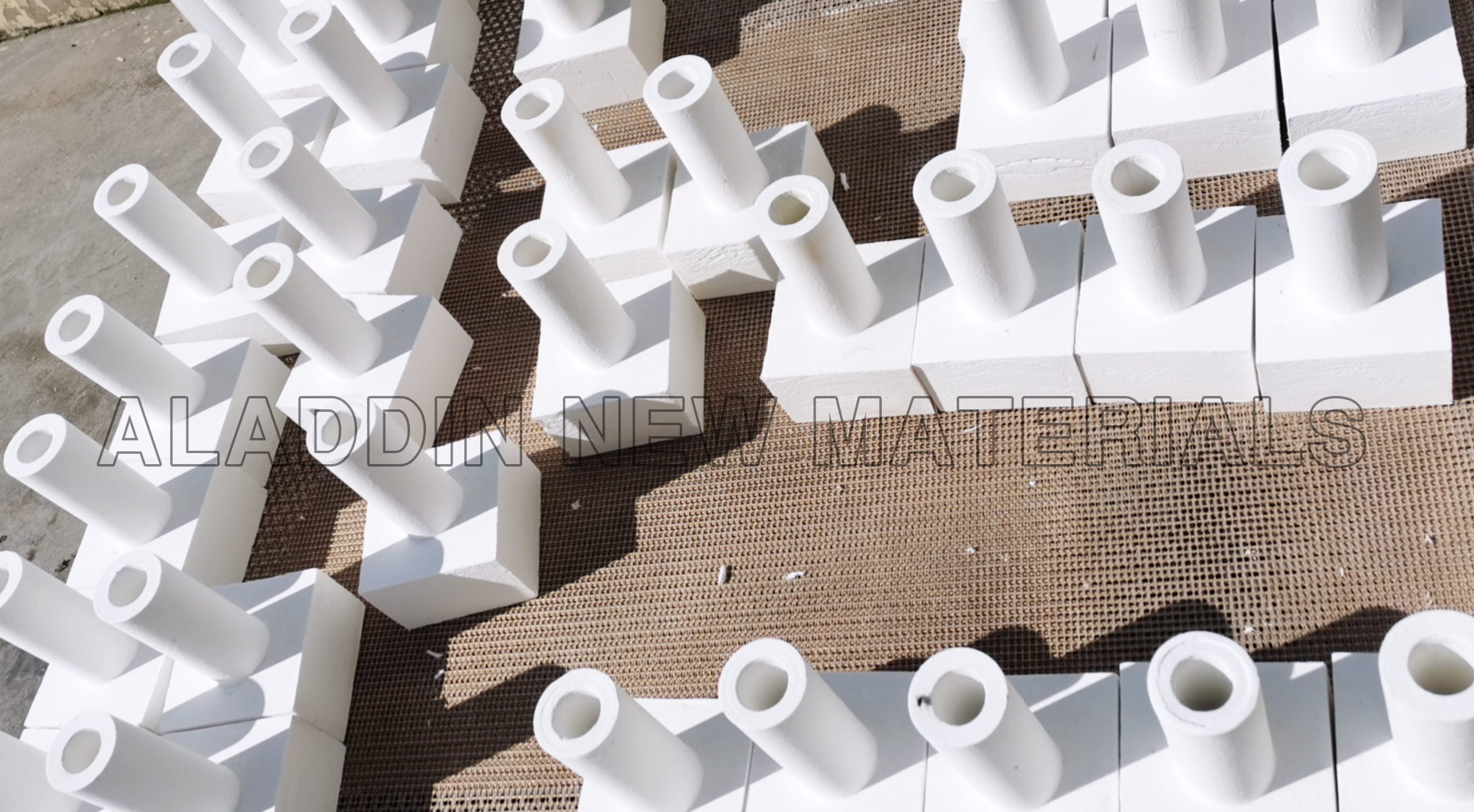
Excellent temperature resistance: Operating temperature ranges from 100 ℃ to 1450 ℃, compatible with most high‑temperature industrial applications.
Superior thermal insulation: Extremely low thermal conductivity effectively blocks heat transfer and delivers outstanding temperature‑holding performance.
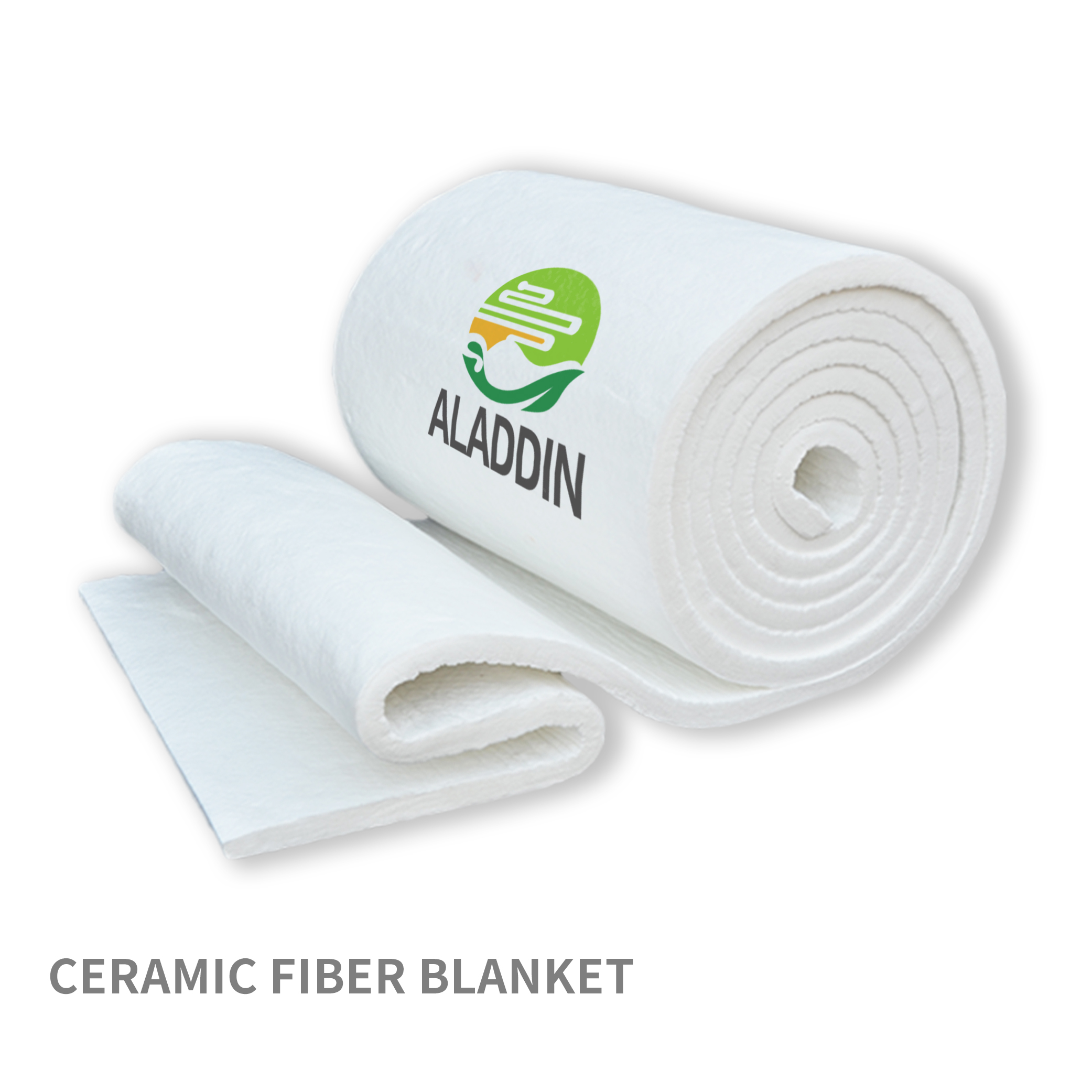
Light‑weight with high mechanical strength: Density of 250‑600 kg/m³, considerably lower than conventional refractory materials. Outstanding compression resistance imposes no extra load on equipment.
Broad application adaptability: High‑temperature resistance, anti‑ageing properties and sound chemical stability enable reliable service under harsh complex industrial conditions.
Note: For organic‑containing grades, slight smoking and surface darkening are normal during the first heat‑up as residual organic constituents volatilize. This phenomenon does not impair product performance and will disappear once heating is completed. Inorganic treatment can be performed prior to delivery upon request.
General‑purpose insulation materials cannot satisfy diverse high‑temperature equipment with varying thermal exposure, geometry and mechanical‑load requirements. We provide all‑in‑one custom insulation solutions for non‑standard conditions. Components are precisely formed according to real‑world operating parameters including temperature, dimensions and mechanical loads.
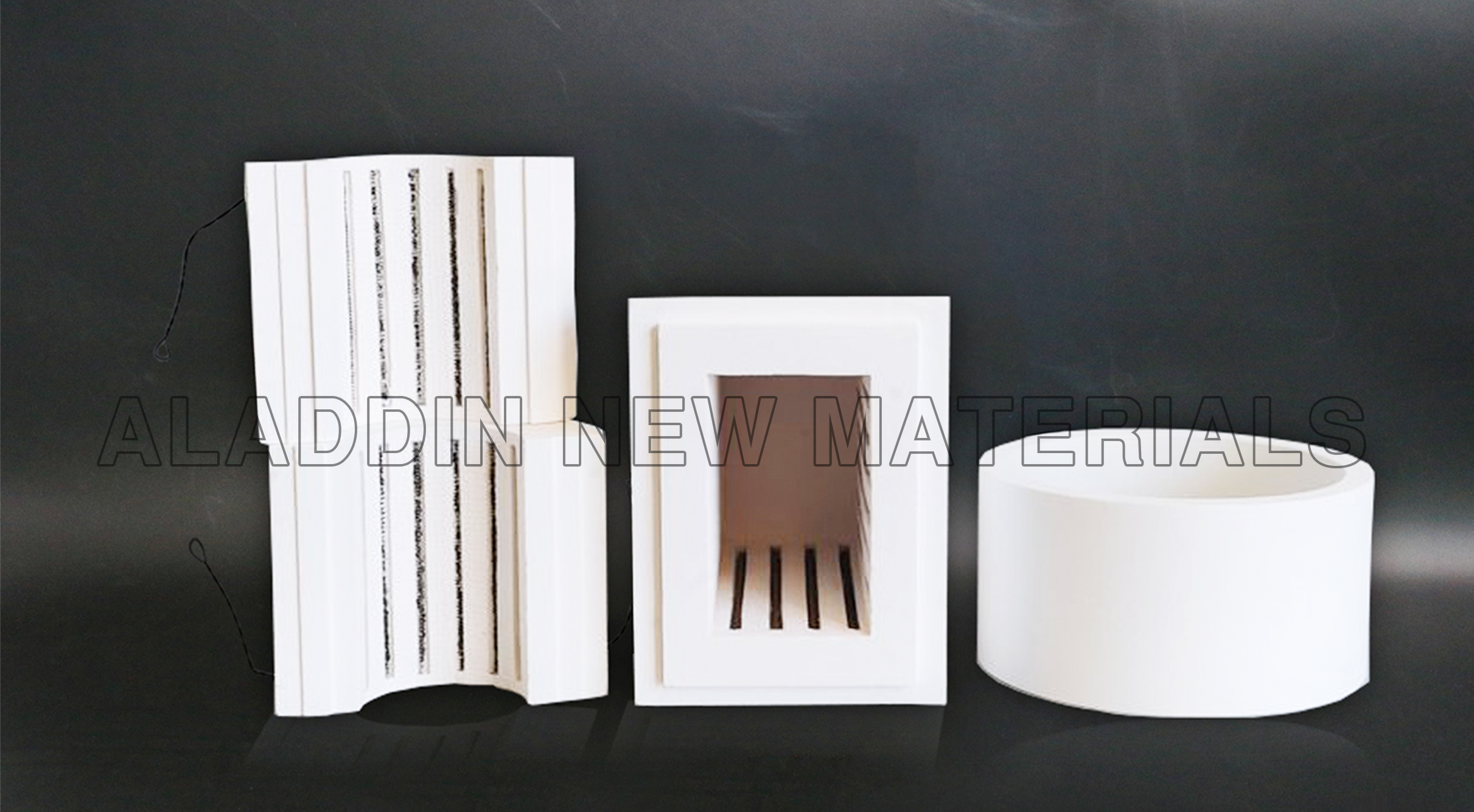
Fibre grades are selected to match service temperature, resisting high‑temperature pulverization.
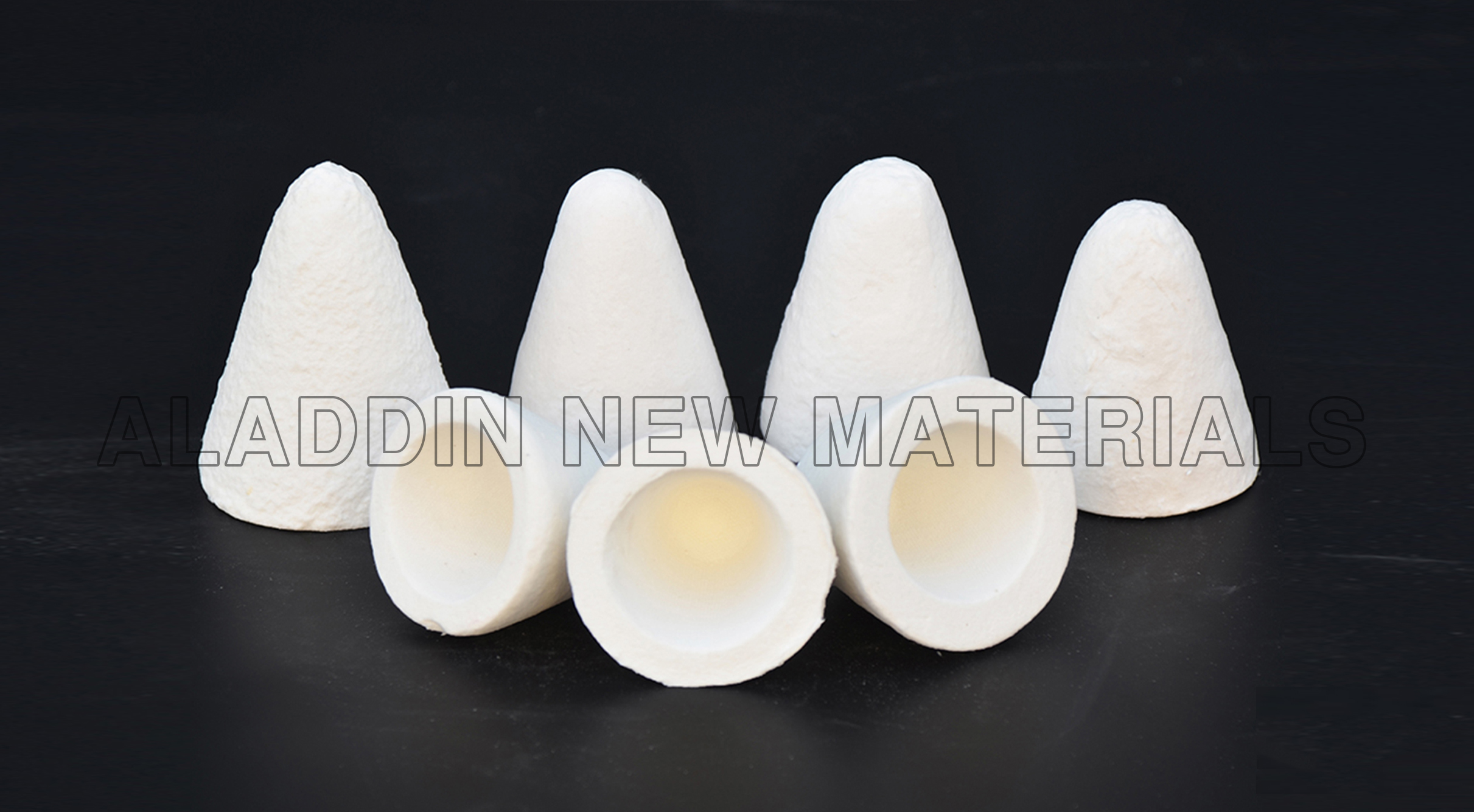
Complex irregular geometries can be integrally formed with no further on‑site cutting required.
Density and structural design can be adjusted to suit demanding conditions such as mechanical pressure and gas‑solid erosion.
Tight contact between components and equipment eliminates air gaps, blocks heat paths and minimizes heat loss.
No on‑site grinding, cutting or secondary processing. Direct‑to‑install delivery greatly shortens equipment downtime.
Adjustable density and structural design for service conditions involving pressure and erosion.
Finished parts fit equipment contours seamlessly, eliminating splicing gaps and warping to fundamentally prevent heat leakage.
LiveChatX
 Send Email
 WhatsApp