In industrial high‑temperature applications, there is a seemingly unremarkable material — a white cotton‑like blanket, soft and fluffy to touch, yet capable of withstanding flames above 1000°C. It is both a master of thermal insulation and a front‑runner in fire resistance.
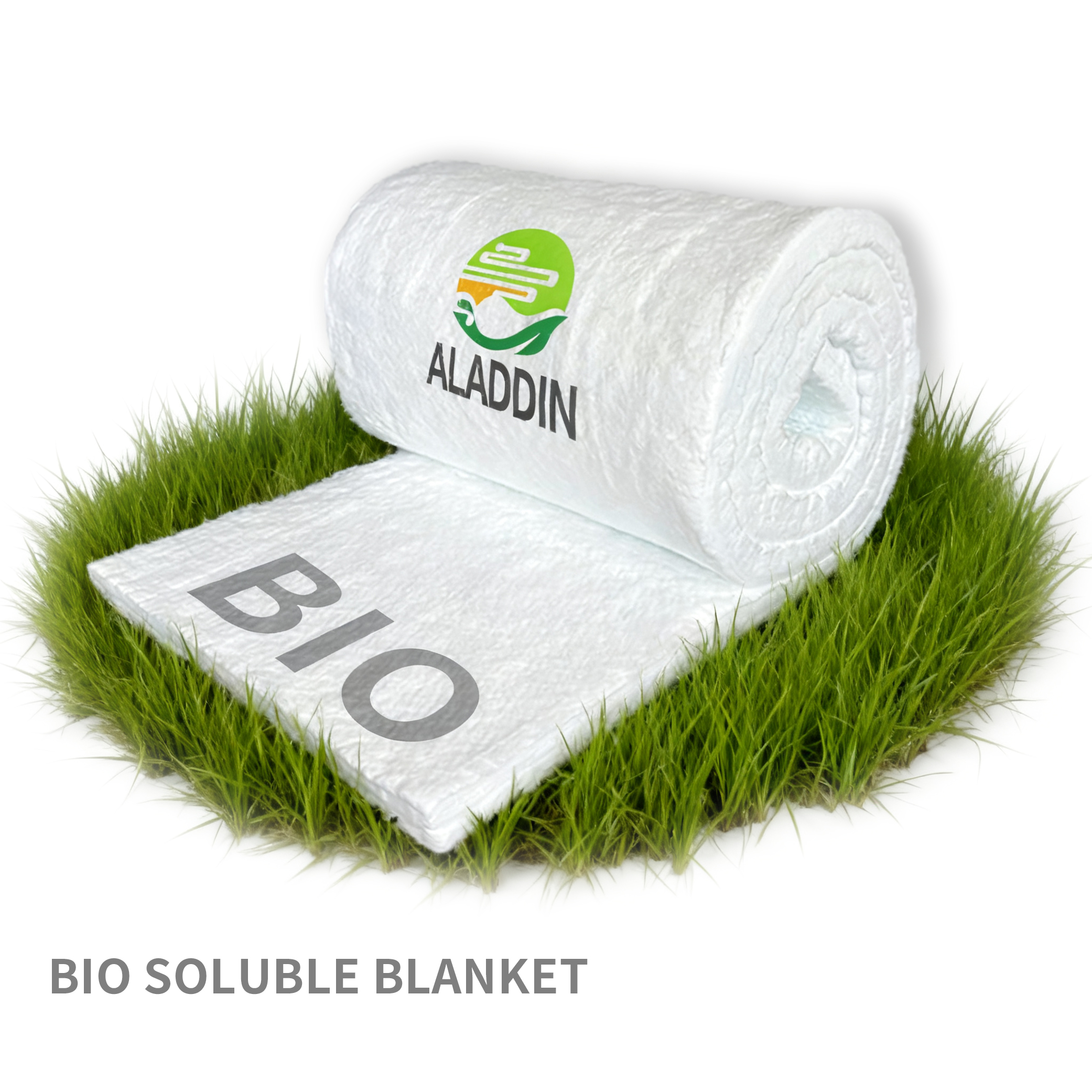
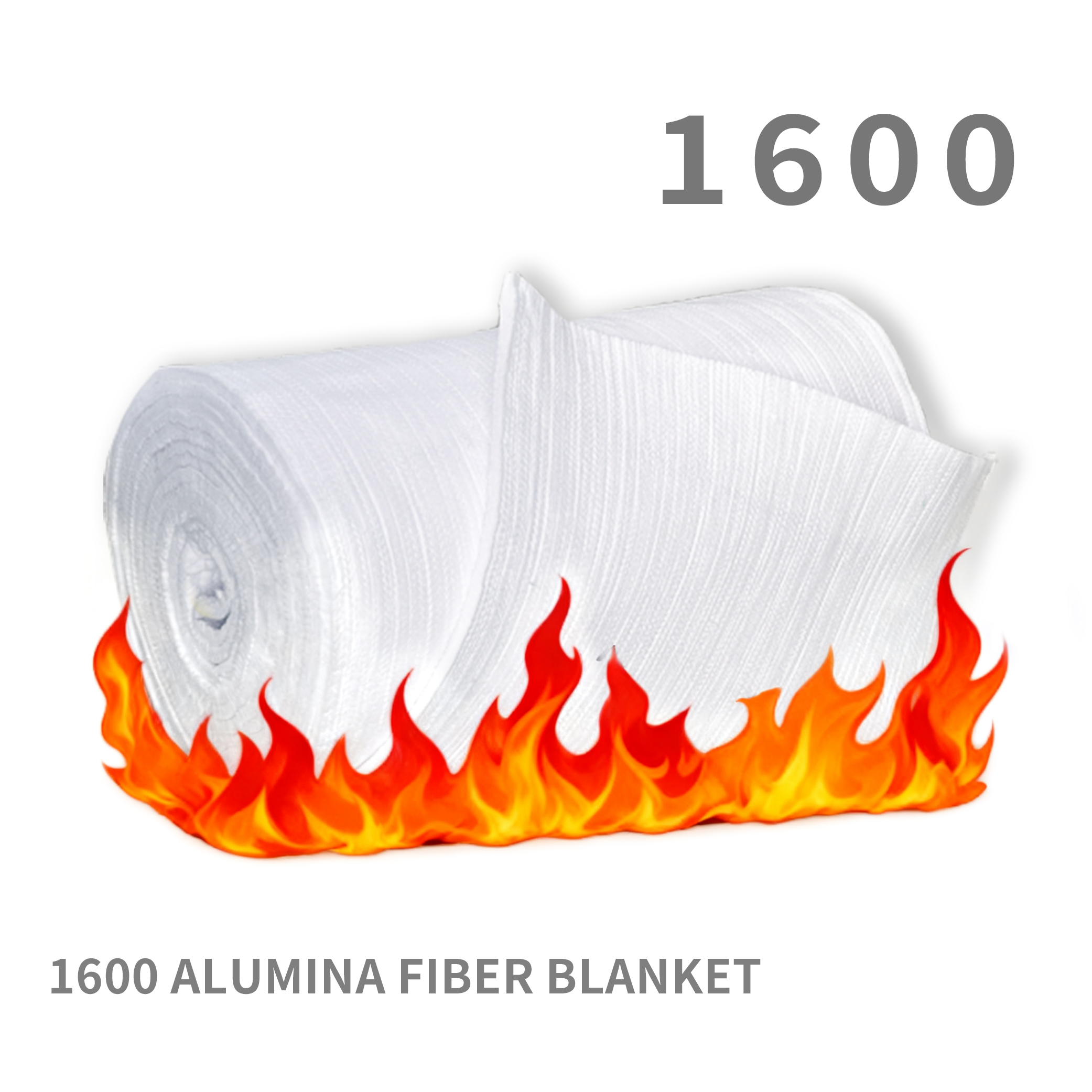
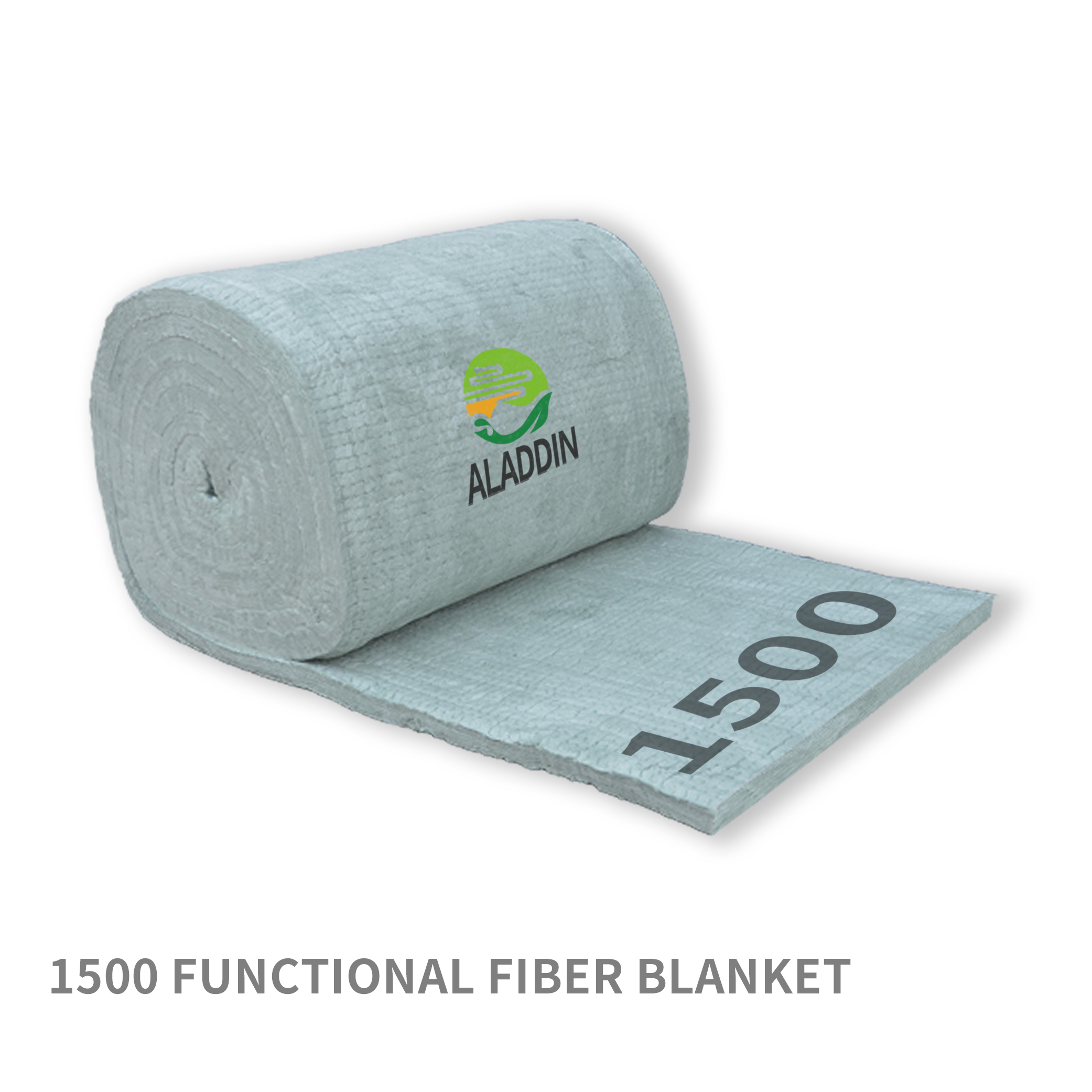
This is the ceramic fiber blanket.
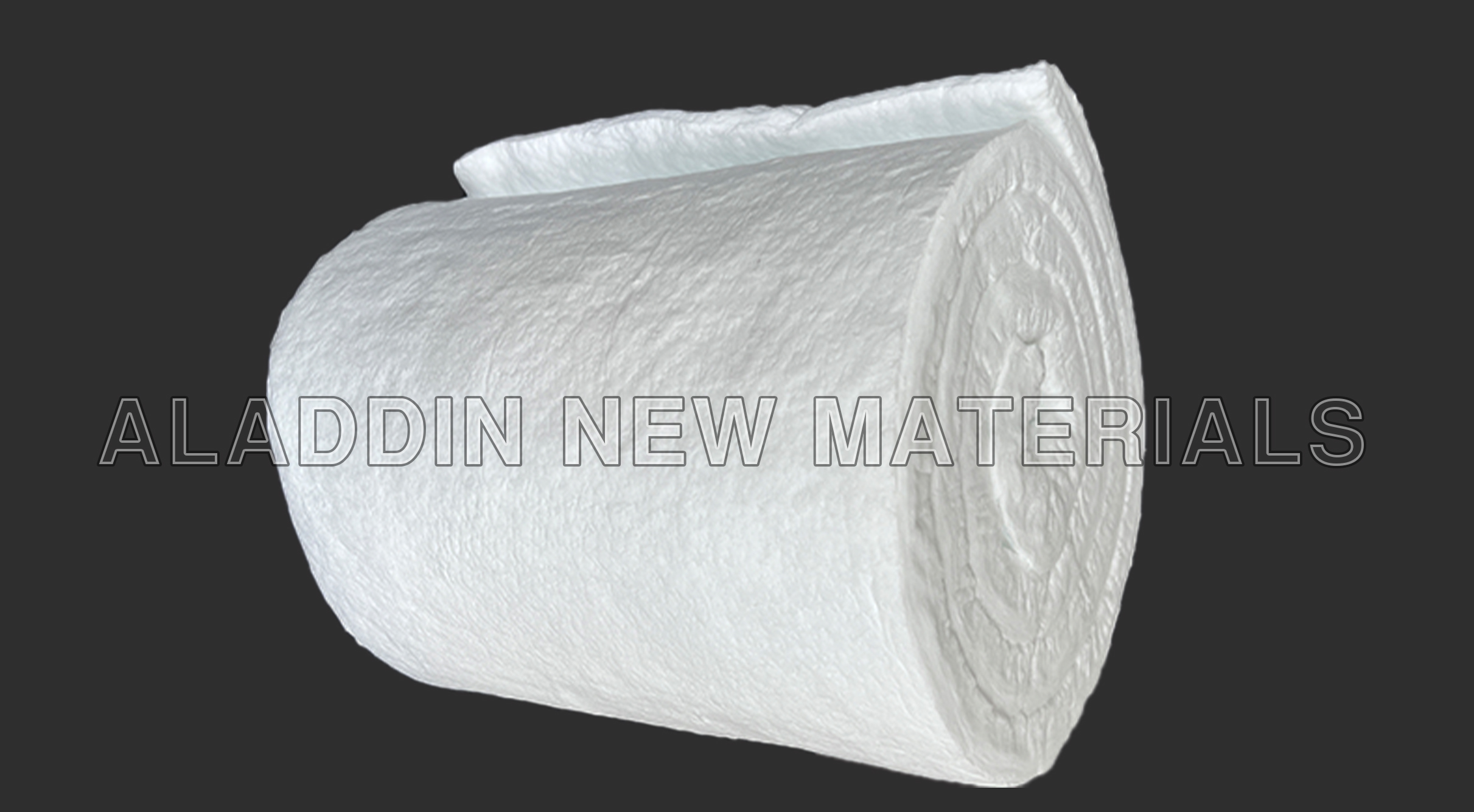
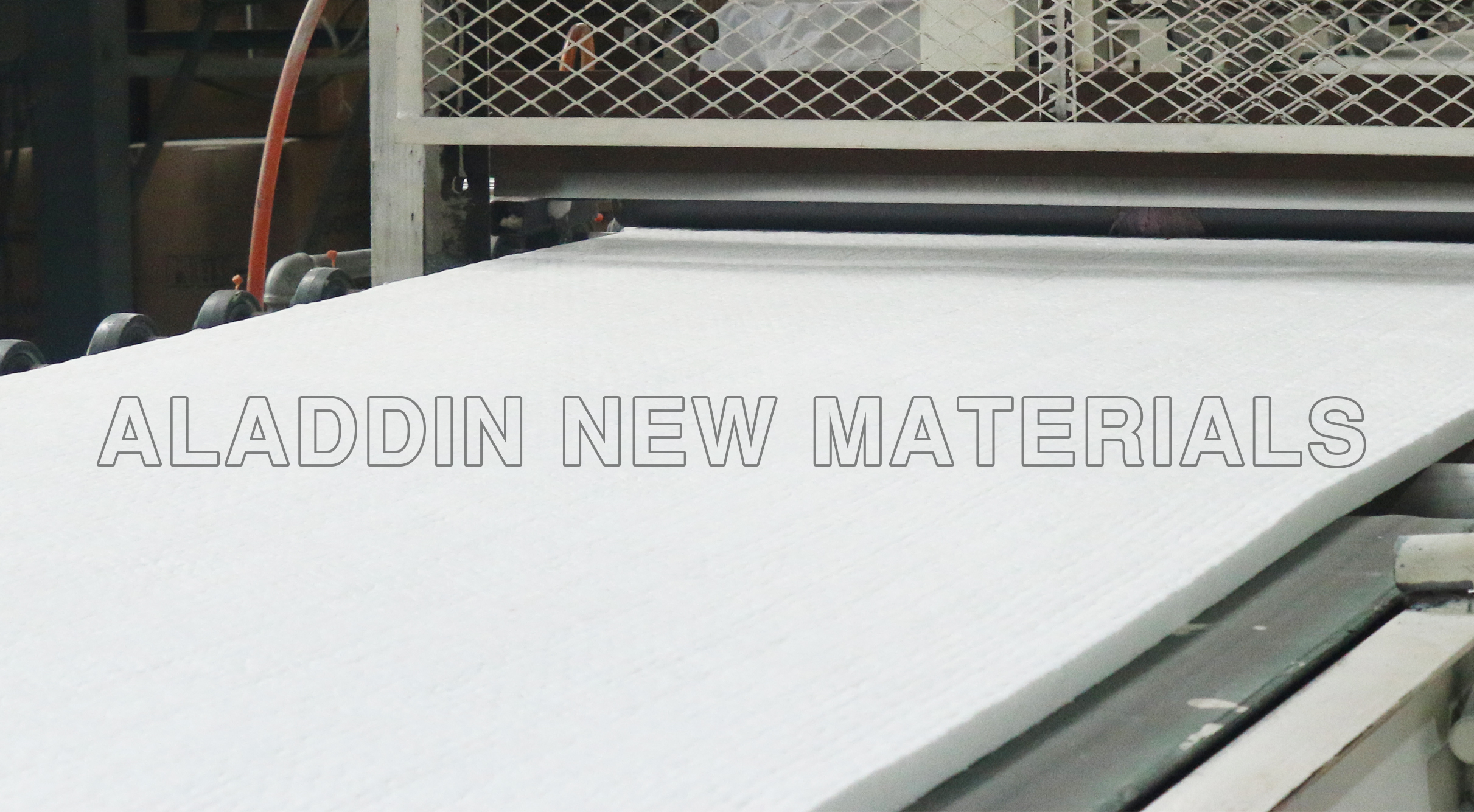
I. Two Production Processes, Each With Its Own Advantages
Ceramic fiber blankets are mainly manufactured by two processes: spinning and blowing.
Fibers from the spinning process are thicker and longer, with a typical diameter of 3.0‑5.0 µm and length of 150‑250 mm. They deliver superior tensile and flexural strength and resist cracking when fabricated into fiber modules.
Fibers from the blowing process are finer, with a diameter of 2.0‑3.0 µm and length of 100‑200 mm, yielding softer overall fibers.
Aladdin adopts long spun fibers together with the double‑sided needle‑punching process. The resulting blankets feature high toughness and excellent resilience, retaining good flexibility both before and after heating. This process greatly improves fiber interlacing and anti‑delamination performance.
II. Superior Thermal Insulation: Three Mechanisms to Block Heat
First mechanism: Extended‑path effect for blocked heat conductionThe fibers measure only 2‑5 µm in diameter but reach 150‑250 mm in length. This slender structure turns heat‑conduction pathways into a labyrinth. Heat travels slowly along the tortuous fibers and dissipates along the way. Double‑sided needle‑punching creates tighter fiber interlocking and further lengthens conduction paths.
Second mechanism: Zero‑convection effect to trap airCeramic fiber blankets are porous loose materials with porosity higher than 90%. The dense micropores are extremely small. When pore size falls below the mean free path of air molecules, gas molecules are confined inside and convection cannot form. Third mechanism: Low thermal conductivity to hold back heat transferIts thermal conductivity can drop as low as 0.12 W/(m·K) at 600 °C. Even at 1000 °C, the value is only a fraction of that of traditional refractory materials. Low thermal conductivity means slow and inefficient heat transfer. III. Fire Resistance: Robust Performance as Class‑A Non‑Combustible Material
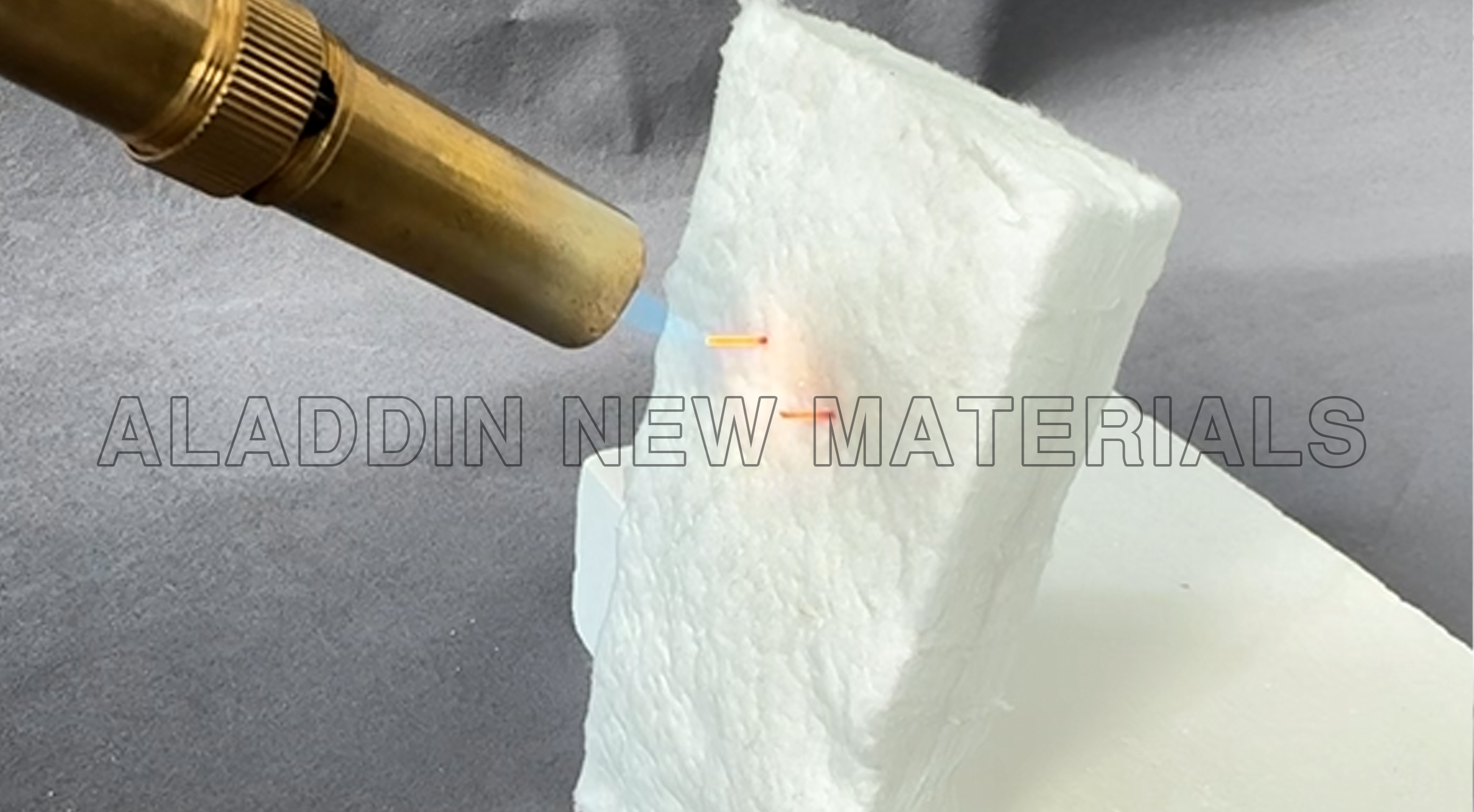
Ceramic fiber blanket is a Class‑A non‑combustible material. It does not burn upon exposure to open flame and generates no odor.
More importantly, it maintains structural stability under high temperature, with thermal shrinkage generally kept within 3%.
Thanks to these properties, ceramic fiber blankets are finding growing applications in fire‑protection fields: fire‑resistant blankets, fire roller shutters, thermal‑fire barrier layers for archives and vaults, and more.
IV. Additional Properties
Beyond thermal insulation and fire resistance, Aladdin ceramic fiber blankets feature good chemical erosion resistance (except for hydrofluoric acid, phosphoric acid and strong alkalis), excellent thermal‑shock resistance, sound‑absorbing performance, high thermal stability, anti‑powdering capacity, elasticity, toughness and high tear resistance.
Aladdin New Materials
Aladdin High‑Temperature Materials Co., Ltd. has over 30 years of development experience. We are a professional ceramic‑fiber manufacturer integrating production, R&D and engineering development. We operate four major production bases across China (Hebei, Shandong, Shanxi and Jiangsu), with more than 30 production lines and an annual output exceeding 200,000 tons, guaranteeing stable product supply.
All Aladdin ceramic‑fiber products come with corresponding test reports complying with Chinese national standards. If you are interested in our products, please send us a message or reply with “Purchase” to obtain our contact information.

 Send Email
 WhatsApp