In the ceramic industry, kilns are veritable "major energy consumers". Statistics indicate that heat loss from industrial kilns accounts for 20% to 45% of total energy consumption, with heat dissipation through the kiln body alone making up as much as 30%. Faced with surging energy costs and carbon peaking and carbon neutrality goals, a growing number of ceramic enterprises have launched energy-saving renovations. Ceramic fiber modules have become the unanimous choice for countless manufacturers.
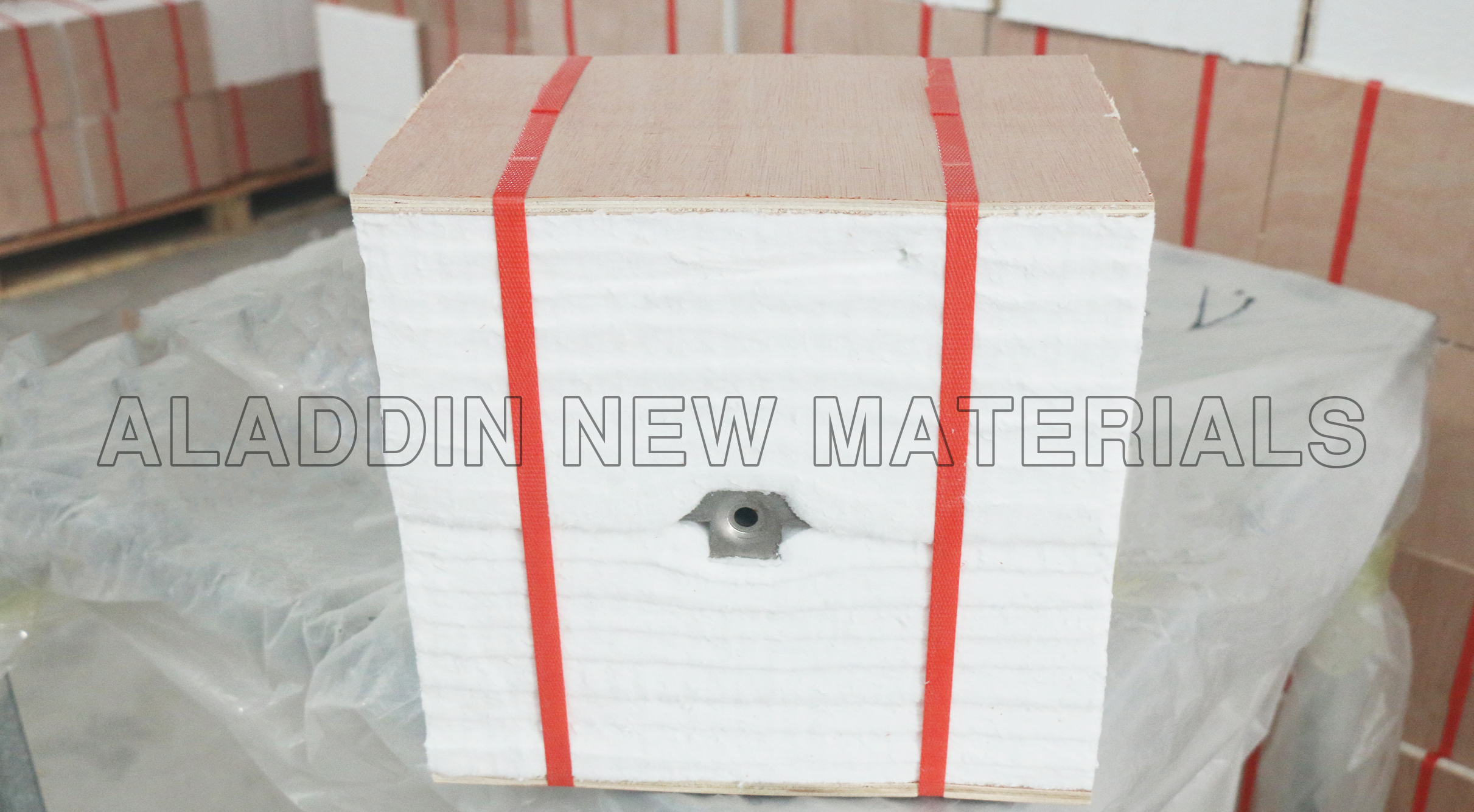
Why Do Factories Switch to Aladdin Modules?
I. Three Critical Defects of Traditional Kiln Linings
The conventional lining structure combining heavy refractory bricks and lightweight refractory bricks has three fatal drawbacks:Defect 1: High heat storage and slow temperature riseRefractory bricks feature high bulk density and thermal capacity. Tons of bricks must be fully heated before the kiln reaches operating temperature. For batch-type kilns such as shuttle kilns, this reheating process repeats with every startup, causing severe energy waste. Defect 2: High thermal conductivity and overheated outer shellThe outer shell temperature of kilns at many ceramic factories hits 80–100°C, exposing workers to intense radiant heat when passing by. Defect 3: Poor sealing and abundant gapsThermal expansion and contraction widen brick joints under high temperatures, enabling massive heat leakage through cracks. This not only boosts energy consumption but also compromises temperature uniformity inside the kiln.
II. Four Core Advantages of Aladdin Ceramic Fiber Modules
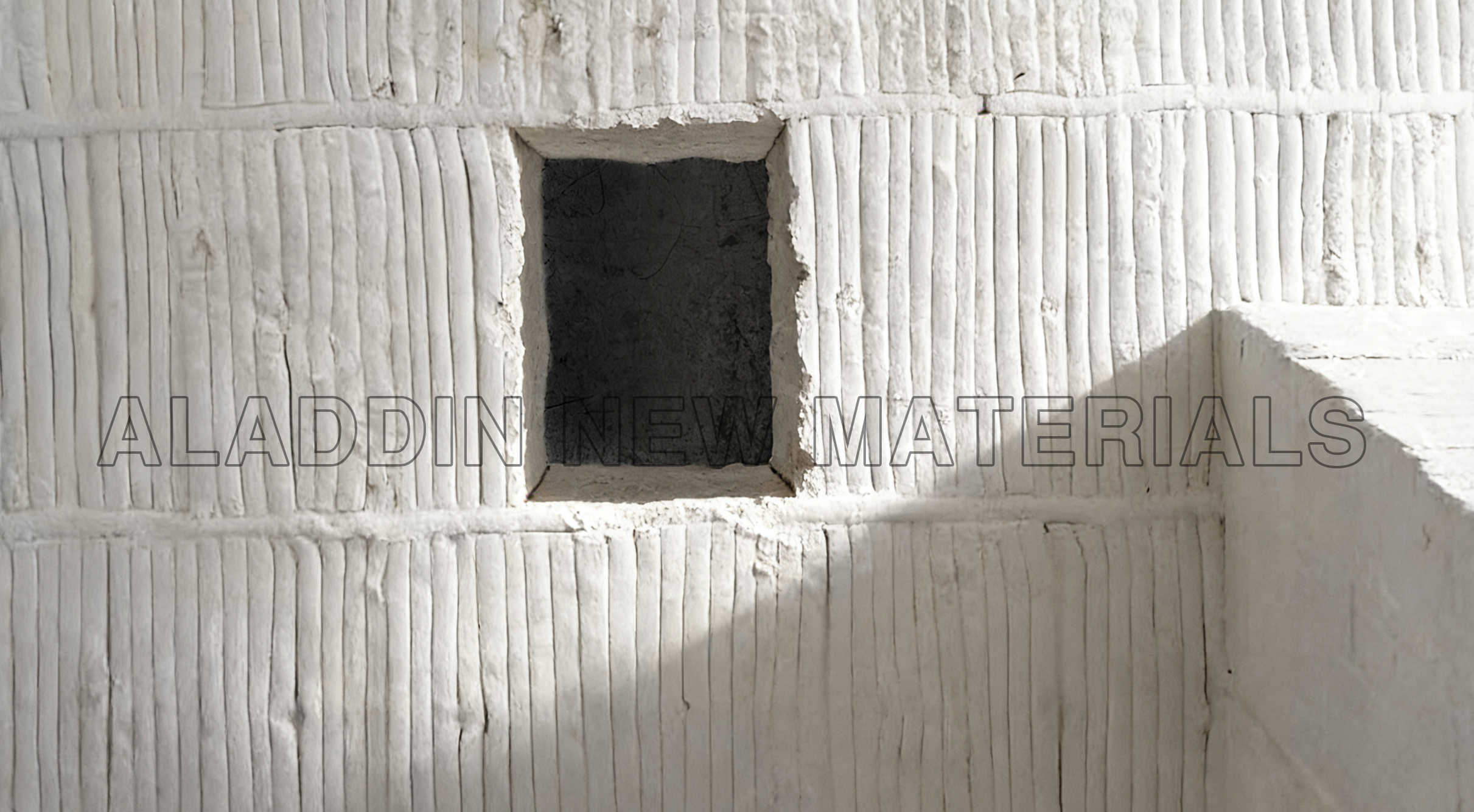
Advantage 1: Low heat storage for energy-efficient start-stop operationThe heat storage capacity of ceramic fiber modules is only roughly one-tenth that of traditional refractory bricks. Continuous kilns achieve thermal equilibrium faster, while intermittent kilns cut heating energy consumption drastically during each startup. Field data proves kiln energy consumption can be reduced by over 30% after renovation. Advantage 2: Low thermal conductivity to lower shell surface temperatureAt 600°C, the thermal conductivity of Aladdin fiber modules stands at approximately 0.16 W/(m·K), compared with 0.5–0.8 W/(m·K) for traditional lightweight bricks. Post-renovation shell temperature drops from 80–100°C to 40–50°C, eliminating harsh high-temperature working conditions for on-site workers. Advantage 3: Gap-free installation for superior sealing performancePre-compressed modules expand automatically after binding straps are removed during installation to form a tight seamless lining. Uniform kiln temperature directly determines finished product firing quality. The modular design fundamentally eradicates heat leakage issues inherent to brick-laid linings. Advantage 4: No preheating required for rapid commissioningTraditional brick linings require days or even weeks of gradual kiln drying after masonry. Aladdin fiber modules contain no organic binders and can be put into direct operation upon installation, significantly cutting production downtime losses.
III. Wide Application Beyond the Ceramic Industry
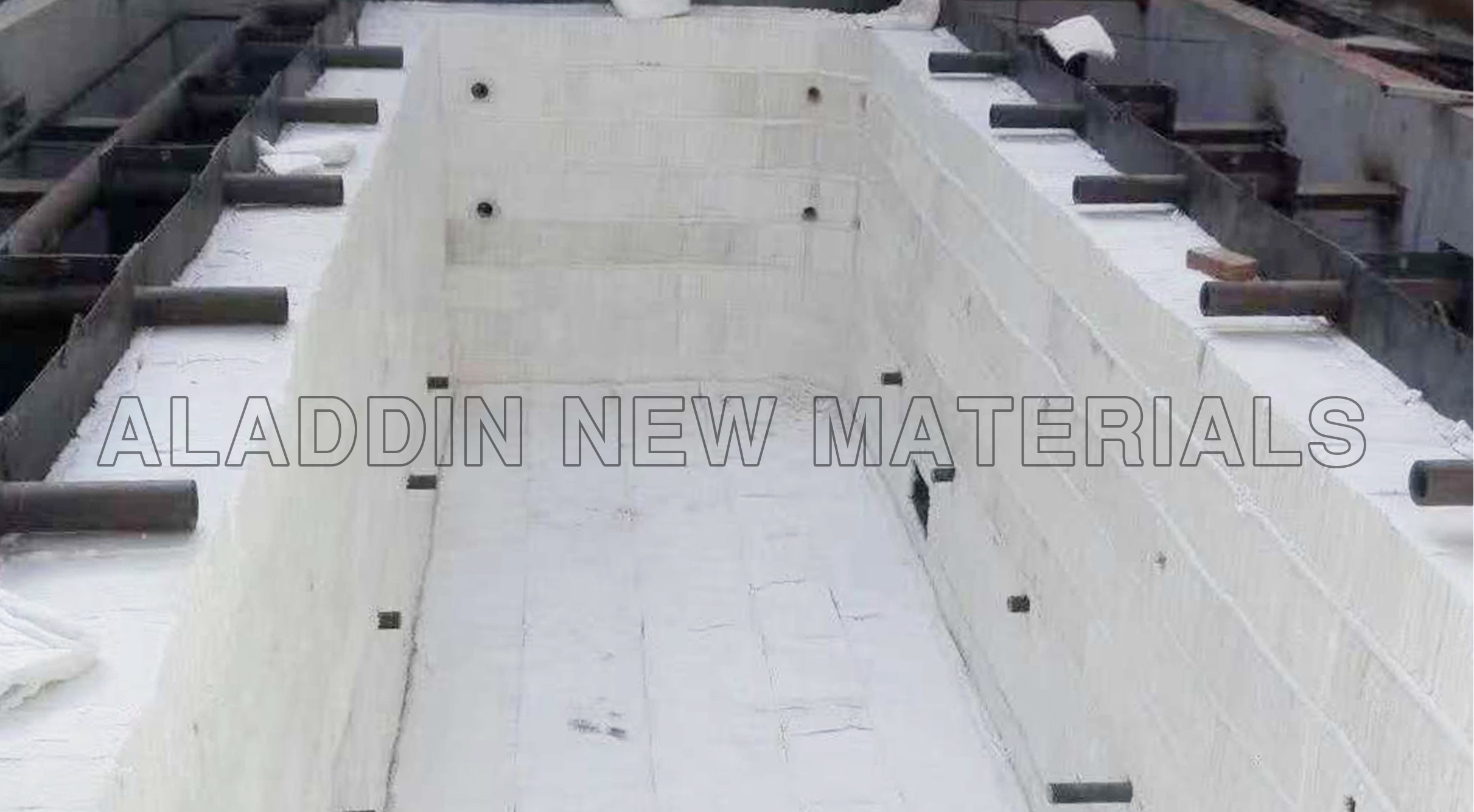
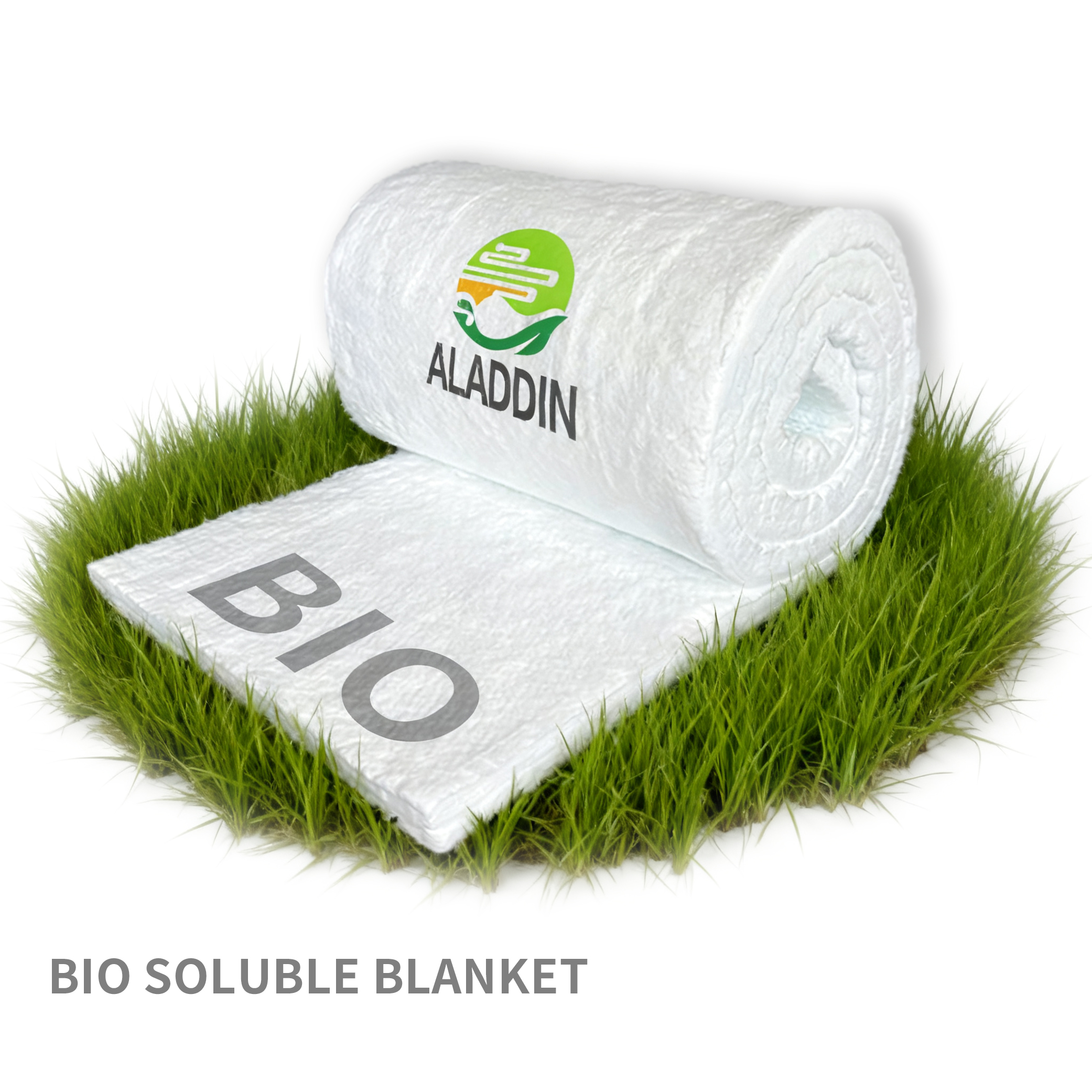
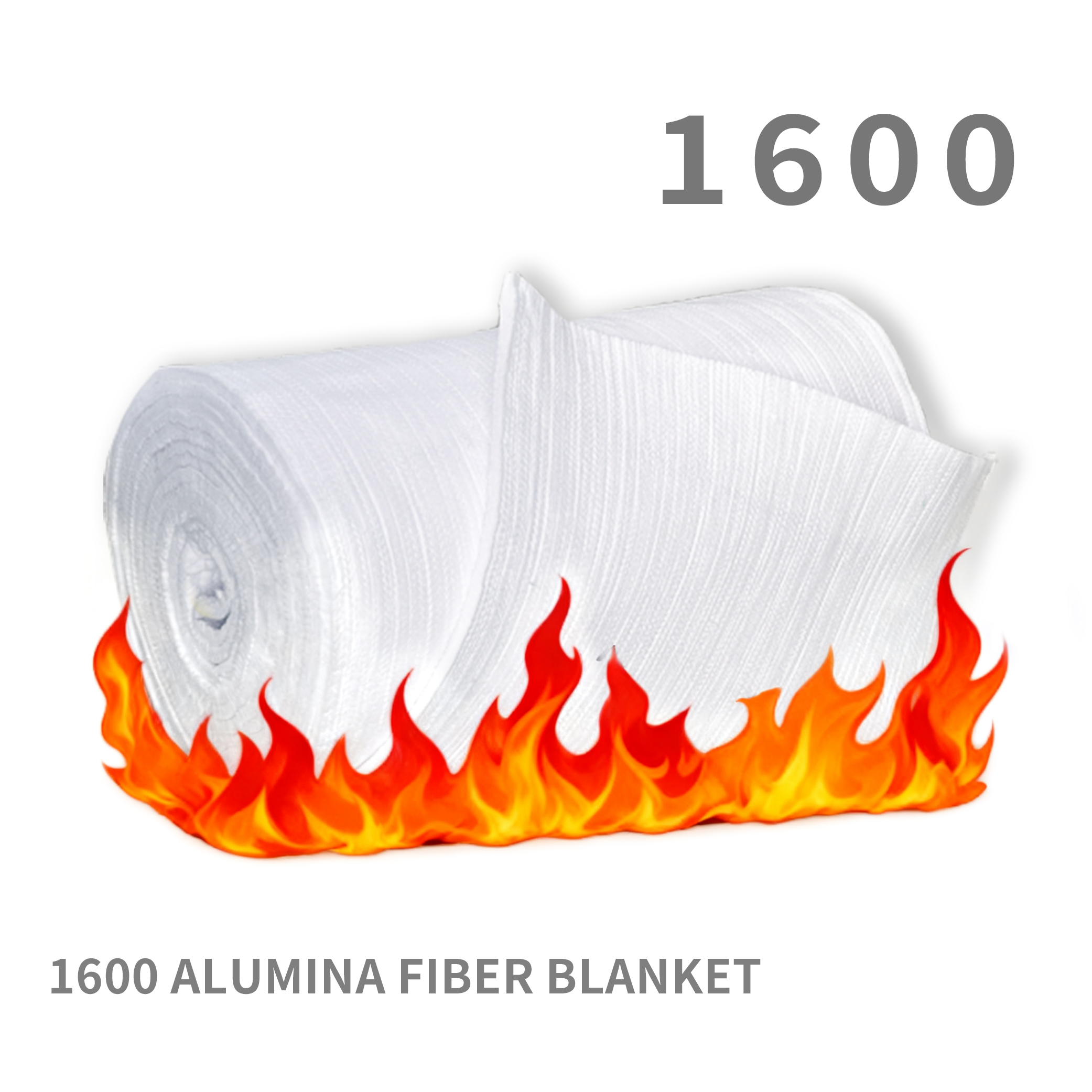
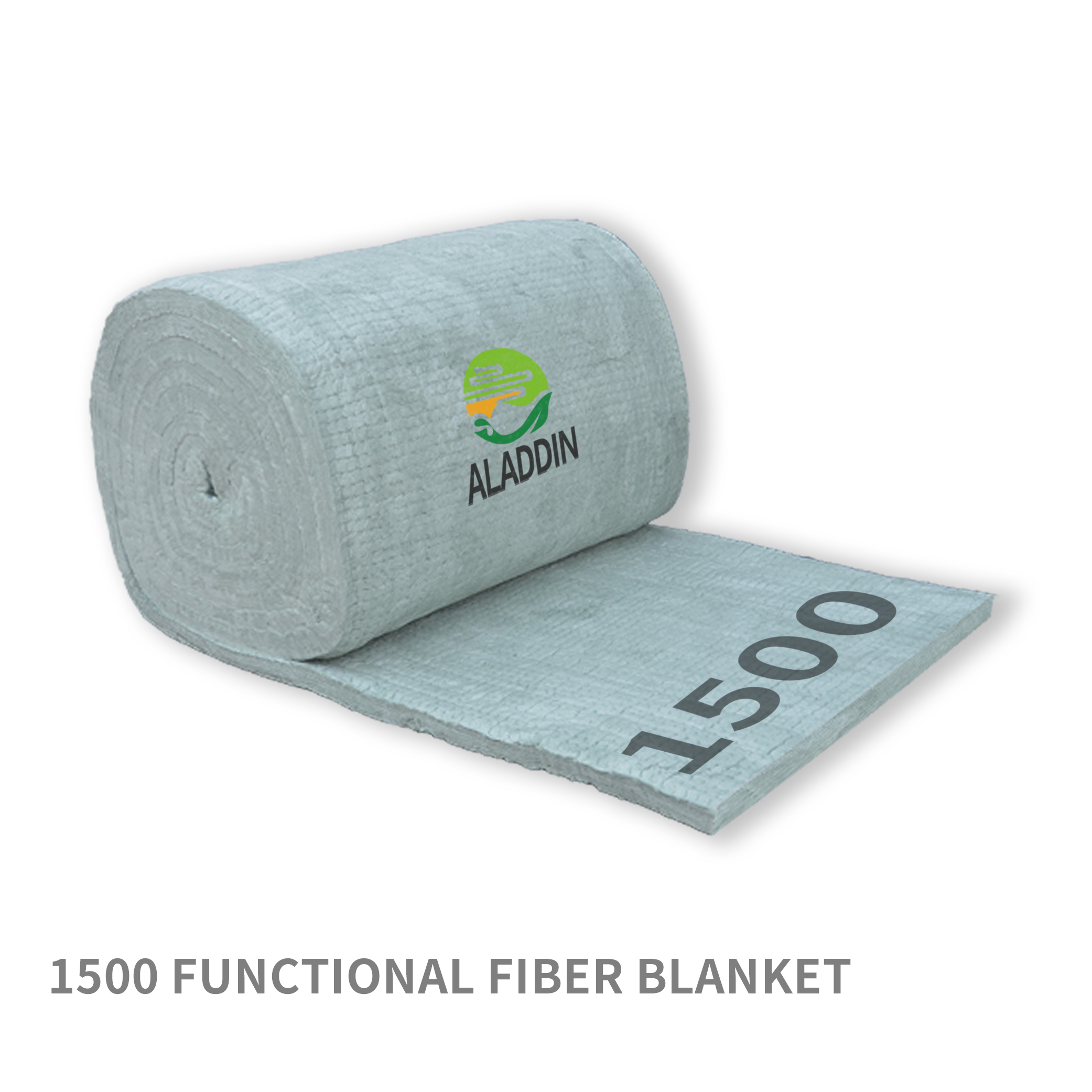
Aladdin fiber modules are applied in petrochemical furnaces and reformers; steel ladle covers, reheating furnaces and annealing furnaces; aluminum soaking furnaces and crucible furnaces, among other scenarios. Backed by over 40 years of technical experience, four manufacturing bases, more than 30 production lines and an annual output exceeding 200,000 tons, Aladdin has delivered reliable refractory and thermal insulation solutions for thousands of enterprises.
The core of ceramic kiln energy-saving renovation lies in replacing inefficient lining materials with high-performance alternatives. Boasting four standout merits – low heat storage, low thermal conductivity, seamless assembly and no preheating need, Aladdin modules perfectly resolve the pain points of conventional kiln linings to deliver better energy efficiency, operational safety and production efficiency for kiln systems.
This explains why an increasing number of ceramic manufacturers opt for ceramic fiber products for kiln lining upgrades.
Aladdin New Materials
Aladdin High Temperature Materials Co., Ltd. boasts over 40 years of development experience as a professional ceramic fiber manufacturer integrating R&D, production and engineering service. We operate four major production bases across Hebei, Shandong, Shanxi and Jiangsu Provinces, with over 30 production lines and an annual output exceeding 200,000 tons.
All Aladdin ceramic fiber products come with official test reports and comply with national Chinese standards. Should you have interest in our products, please send us a private message or reply with the keyword "PURCHASE" to obtain our contact information.

 Send Email
 WhatsApp