
How to Distinguish Ceramic Fiber, Aluminosilicate Fiber, Polycrystalline Mullite Fiber and Alumina Fiber?
In the field of high-temperature refractory materials, names including ceramic fiber, aluminosilicate fiber, polycrystalline mullite fiber and alumina fiber frequently appear together. They mostly present as white fibrous products with similar appearance, making visual identification difficult. What is the relationship between them? What common properties and differences do they have? How should we make the right selection?
Ceramic fiber is a general term referring to fibrous refractory materials made of inorganic non-metallic ceramic materials. Its categories cover aluminosilicate fiber, polycrystalline mullite fiber, alumina fiber and other varieties. In other words, aluminosilicate fiber, polycrystalline mullite fiber and alumina fiber all fall under the broad category of ceramic fiber. They are named differently mainly due to varying Al₂O₃ content and primary solid phase composition.
Despite differences in composition and performance, they share outstanding advantages of ceramic fiber materials:
Lightweight & Energy-saving: The bulk density is only 1/10 to 1/20 of traditional refractory bricks. With low heat capacity, they accelerate furnace heating and greatly reduce energy consumption.
Superior Thermal Insulation: The microporous structure filled with static air delivers extremely low thermal conductivity, enabling efficient thermal insulation.
Excellent Thermal Shock Resistance: The flexible fibrous structure withstands drastic temperature fluctuations, resisting cracking and spalling, which is ideal for intermittently operated kilns.
Easy Installation: Available in diverse forms such as blankets, boards, modules and special-shaped parts. Flexible mounting is supported without complicated preheating procedures.
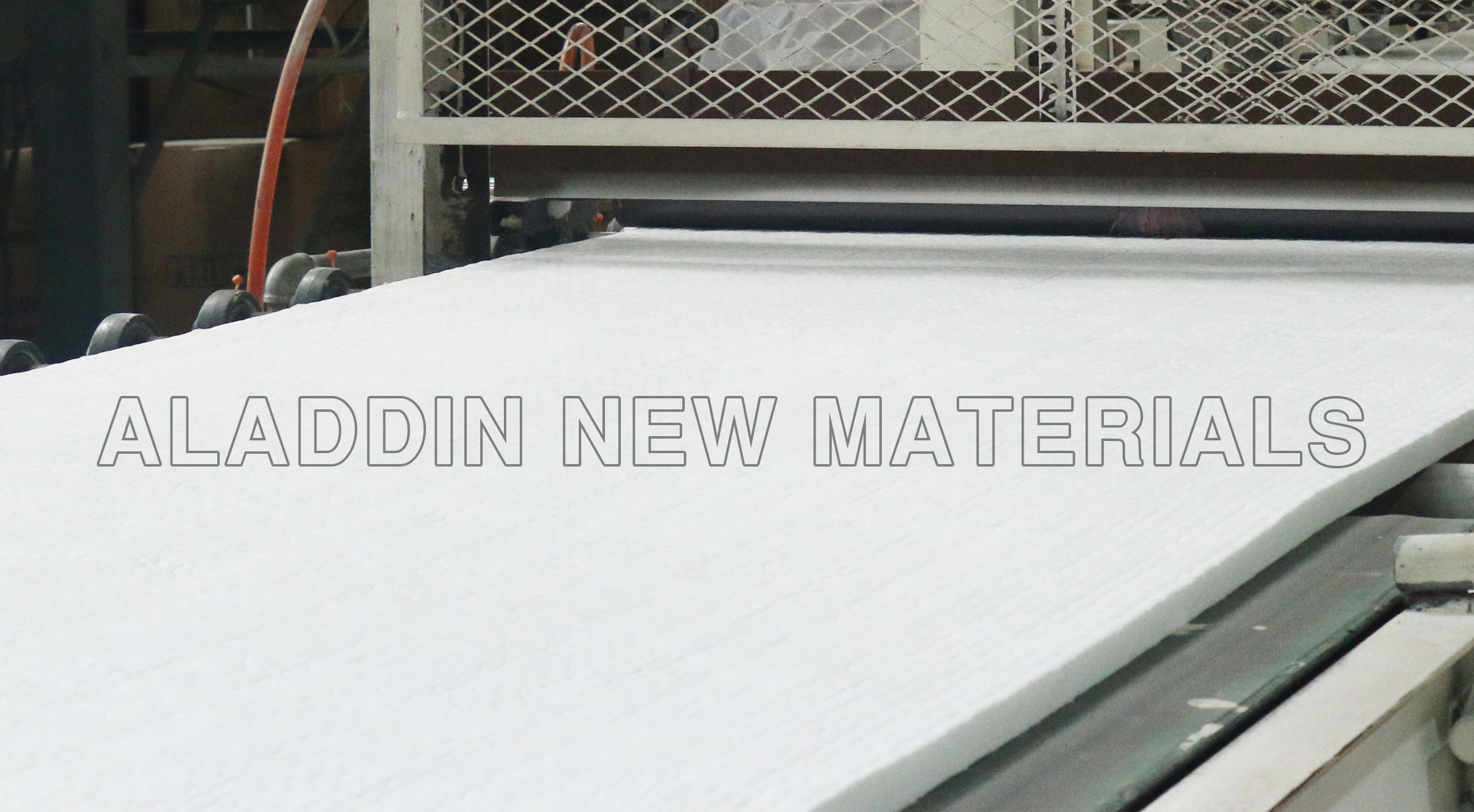
Aluminosilicate FiberAl₂O₃ content: 30%~69%; amorphous glassy structure (produced by melt quenching). Flexible at ambient temperature for easy construction. However, it tends to crystallize, shrink and pulverize at high temperatures. Continuous service temperature: 1050℃~1450℃.
Polycrystalline Mullite FiberAl₂O₃ content: 69%~75%; main crystalline phase: mullite (3Al₂O₃·2SiO₂); polycrystalline structure manufactured via sol-gel/precursor method, composed of nano-sized crystal grains. Maximum service temperature reaches 1600℃.
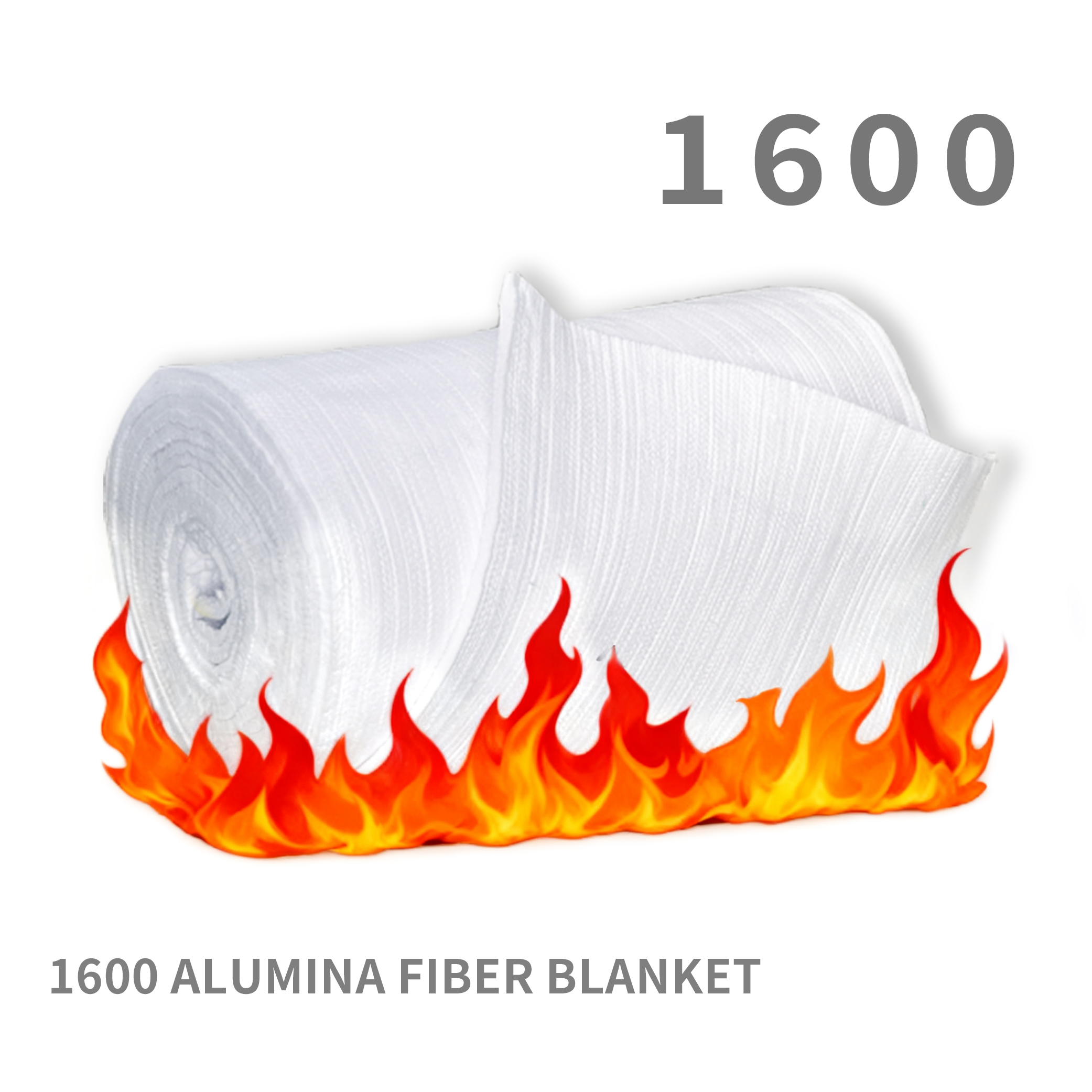
Alumina FiberAl₂O₃ content ≥90% (95%~99% for high-purity grade); polycrystalline structure. Service temperature ranges from 1700℃ to over 1800℃.
In addition, zirconia-containing fiber is manufactured by adding approximately 15% ZrO₂ to aluminosilicate fiber, which inhibits high-temperature phase transformation and elevates temperature resistance.
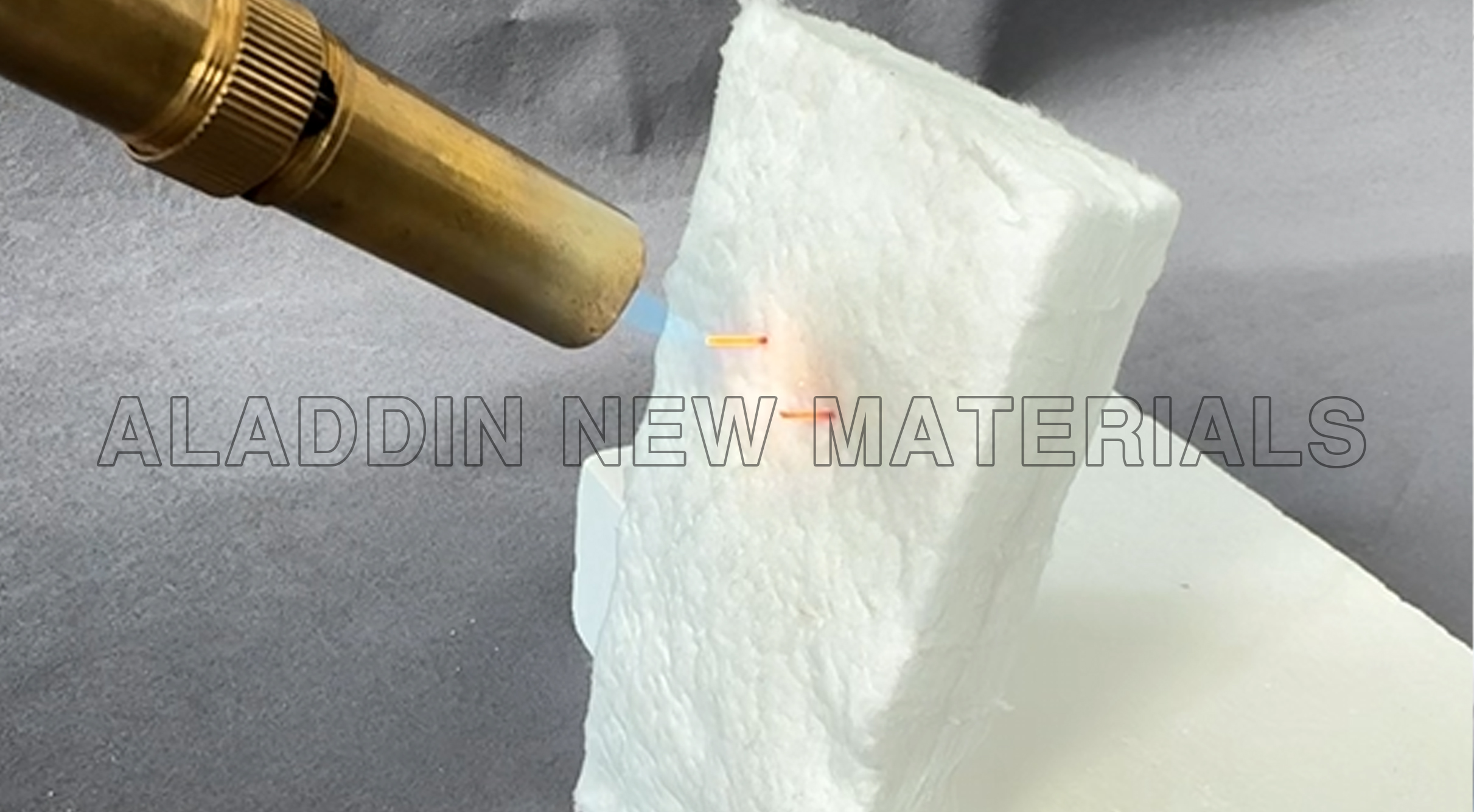
Most common industrial working conditions (≤1350℃):Aluminosilicate fiber delivers the best cost performance. It works perfectly for heat treatment furnaces, forging furnaces and conventional tunnel kilns, serving as the mainstream product on the market.
High-end & demanding working conditions (1400℃–1600℃):When operating temperature exceeds the suitable range of aluminosilicate fiber, or ultra-low shrinkage rate and long service life are required, polycrystalline mullite fiber is the preferred choice. It is widely applied in hot-face lining of silicon carbide electric furnaces and high-grade ceramic kilns.
Extremely high temperature & special sectors (>1600℃):Alumina fiber is adopted in aerospace, special metallurgy and other sectors requiring extreme material strength and temperature resistance. Its high cost limits its application in ordinary industrial thermal insulation.
Do not blindly pursue high-grade expensive materials. The most suitable option is always optimal.
Shanxi Aladdin New Materials Co., Ltd. specializes in high-temperature refractory materials and provides professional material selection support. Tel: 400-085-8836 E-mail: aladdin@aldfiber.com
With more than 40 years of development, Aladdin High Temperature Materials Co., Ltd. is a professional ceramic fiber manufacturer integrating production, R&D and engineering development. We operate four major production bases across China located in Hebei, Shandong, Shanxi and Jiangsu, with more than 30 production lines and an annual output exceeding 200,000 tons.
All Aladdin ceramic fiber products are supplied with corresponding test reports and comply with Chinese national standards. If you are interested in our products, please send us a message or type “PURCHASE” to obtain our contact information.
LiveChatX
 Send Email
 WhatsApp