
Thanks to its light weight, excellent thermal insulation and high-temperature resistance, ceramic fiber is widely used in high-temperature industries including metallurgy, petrochemicals and ceramics. Nevertheless, many failures in practical engineering do not stem from insufficient nominal material performance, but from cognitive deviations in material selection, installation or maintenance. Below are four typical misconceptions together with corresponding countermeasures for your reference.
This is the most common and dangerous misunderstanding. Many users believe that for a product with a classification temperature of 1260°C designed for service at 1000°C, occasional operation at 1300°C “should be acceptable”.
Facts: The nominal temperature represents the instantaneous maximum limit temperature. Exceeding this temperature will soften or even melt the fibers, resulting in blackened surfaces, slag shedding and sharp deterioration of performance.
Recommended practice: Confirm the long-term service temperature before application. A safety margin of 100–200°C is recommended. Please note that terms such as “long-term service temperature” and “classification temperature” carry different definitions; clarification should be obtained from manufacturers. In addition, reducing atmospheres as well as sulfur, phosphorus and other elements contained in fuels can drastically lower the actual temperature resistance limit, which must be considered during material selection.
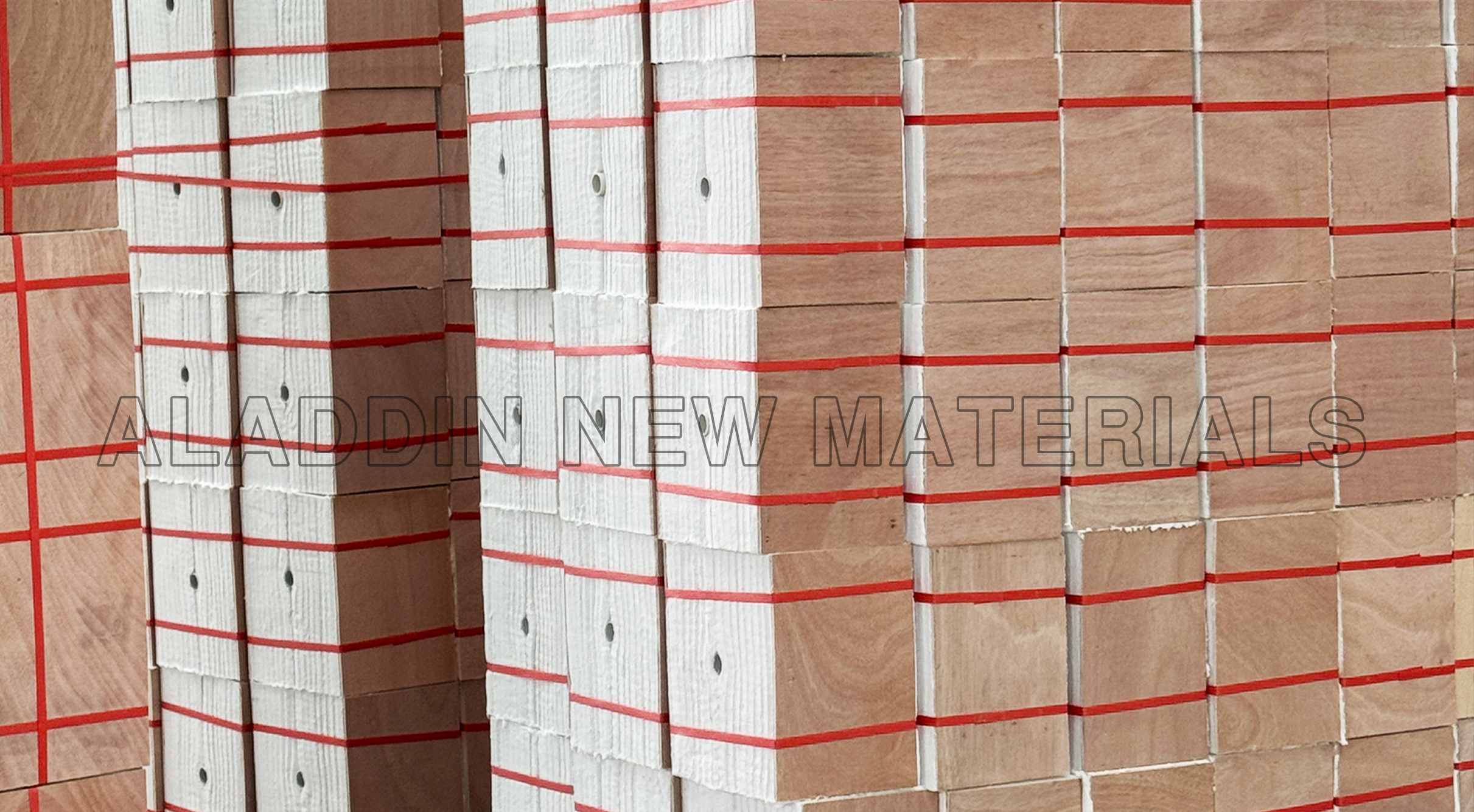
Two prevalent misconceptions exist during the installation of ceramic fiber modules.
The tighter the modules are compressed, the better. Excessive compression leads to uneven end faces that cannot be levelled, undermining sealing performance. Through gaps easily form between joints, enabling high-temperature hot gas to directly scour the backing layer, causing flame leakage and structural damage.
Installation can be carried out casually without following design specifications. The quantity of modules cannot be arbitrarily increased or reduced during construction, otherwise the overall compression ratio and force balance of anchoring structures will be affected. After each row is installed, the end faces must be levelled using wooden boards or similar tools before proceeding to the next row. Unaddressed cumulative errors will severely impair the integrity and tightness of the furnace lining.
Recommended practice: Construct strictly in accordance with design drawings, control compression ratio, level each row before continuing installation to guarantee flatness and sealing performance.
Two mistaken perceptions prevail in routine maintenance.
Cleaning with water is feasible. Ceramic fiber absorbs moisture. When water penetrates the material and vaporizes rapidly under high temperature, internal pressure will build up and cause bursting and spalling.
Recommended practice: Adopt dry cleaning methods using soft brushes or low-pressure compressed air. Oil stains can be wiped with a small amount of industrial alcohol.
Minor damage does not matter. Small damaged areas will be continuously scoured by high-temperature hot gas and expand rapidly, raising energy consumption and even compromising product quality.
Recommended practice: Implement regular inspection routines. Repair damaged areas promptly with matching ceramic fiber repair compounds once defects are detected.
Many customers assume satisfactory nominal temperature and qualified Al₂O₃ content guarantee reliable performance. However, impurities act as hidden threats.
Facts: Low-melting oxides such as Fe₂O₃, CaO, MgO, Na₂O and K₂O significantly reduce the eutectic temperature of fibers. When the total impurity content exceeds 3.5%, the practical long-term service temperature may drop by nearly 100°C compared with the nominal value. Even if Al₂O₃ meets standards, insufficient SiO₂ content will accelerate material degradation.
Recommended practice: Apart from Al₂O₃ content, strictly control total impurity levels during material selection. Premium products maintain impurity content below 1% as required by national standards. Always request complete chemical composition test reports instead of only checking single indicators.
The performance of ceramic fiber is determined jointly by temperature, purity, density, installation and maintenance. The four misconceptions above cover the full service lifecycle. It is advised to establish acceptance protocols, select low-impurity products, conduct regular sampling inspections and standardize operations to maximize thermal insulation benefits, extend furnace lining service life and cut operational costs.
Jiangsu Aladdin High Temperature Materials Co., Ltd. specializes in high-quality ceramic fiber products with stringent impurity control complying with national standards. Should you have any enquiries regarding material selection, construction or maintenance, please call 400-085-8836 or email aladdin@aldfiber.com. We are ready to provide professional support.
With over 40 years of development, Aladdin High Temperature Materials Co., Ltd. is a professional ceramic fiber manufacturer integrating production, R&D and engineering development. We operate four major production bases nationwide located in Hebei, Shandong, Shanxi and Jiangsu, with more than 30 production lines and an annual output exceeding 200,000 tons.
All ceramic fiber products from Aladdin are accompanied by corresponding test reports and conform to national standards. If you are interested in our products, you may send us a private message or type “Purchase” to obtain Aladdin’s contact information.
LiveChatX
 Send Email
 WhatsApp