
Insulation for tunnel kiln cars is a vital part of the overall tunnel kiln thermal‑preservation system. Thermal insulation and sealing between adjacent kiln cars directly affect firing quality, operational reliability and economic benefits. The sealing performance of the kiln bottom system is critical. Severe air leakage will trigger a series of problems including enlarged temperature difference inside the kiln, prolonged firing cycles and higher fuel consumption.
Poor sealing causes two‑fold hazards. On one hand, hot air leaks down from the kiln chamber to the underside of kiln cars, inflicting heavy damage on kiln‑car steel structures, especially wheel bearings, and directly endangering safe operation of the tunnel kiln. On the other hand, cold air infiltrates the kiln from below the cars, creating large vertical temperature differences across the kiln cross‑section and severely degrading finished‑product firing quality.
This is an inherent shortcoming of tunnel kilns compared with intermittent furnaces.
High heat‑storage loss: Heat absorbed by the kiln car refractory bricks inside the kiln is fully dissipated when cars exit the kiln and cool down.
Heavy weight and slow circulation: Brick‑built kiln cars are bulky. They increase pusher‑machine load and reduce kiln‑car turnover efficiency.
Insufficient sealing: At joints between kiln cars and between cars and sand‑seal troughs, hot and cold air easily passes through gaps, resulting in wider kiln temperature deviations and elevated fuel consumption.
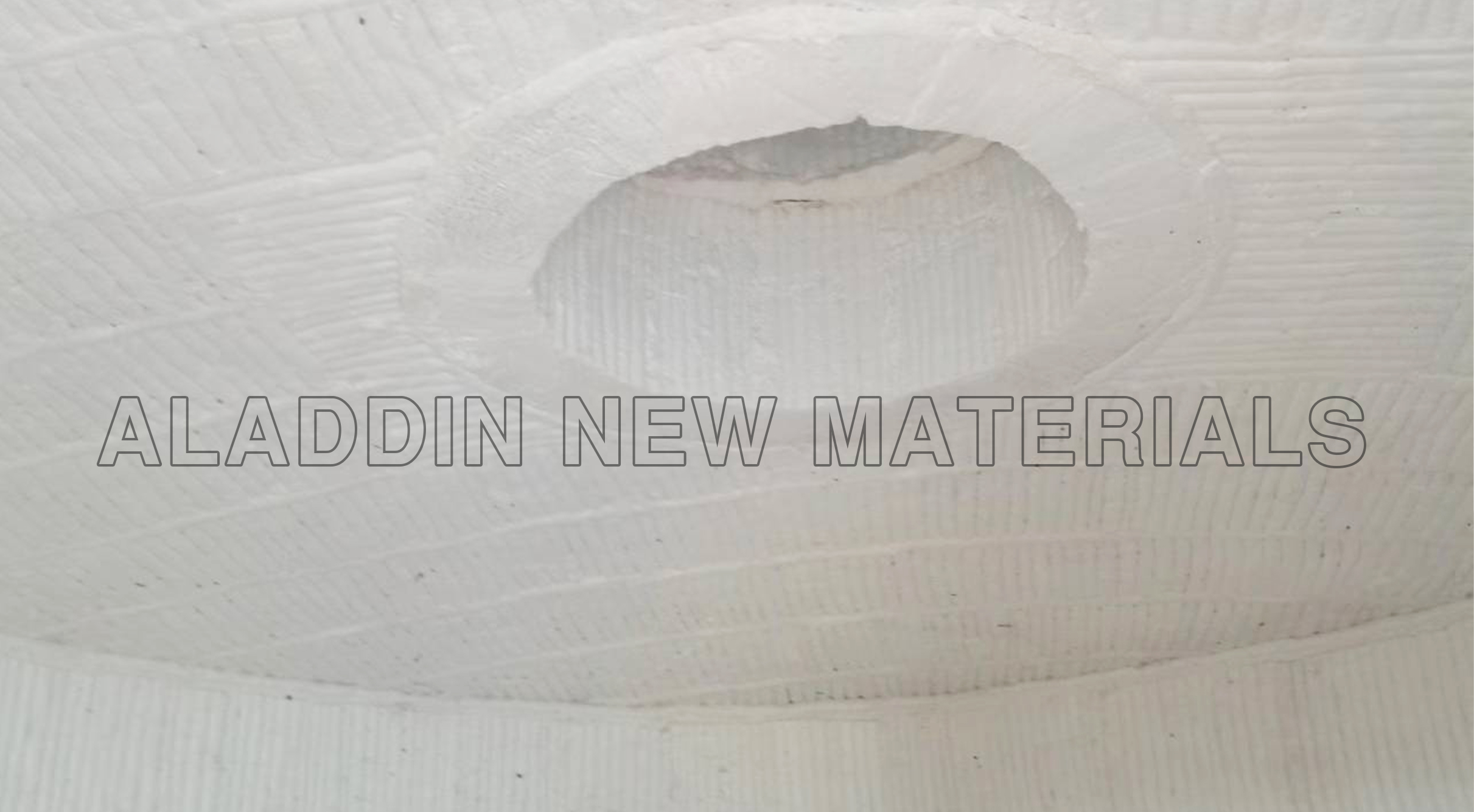
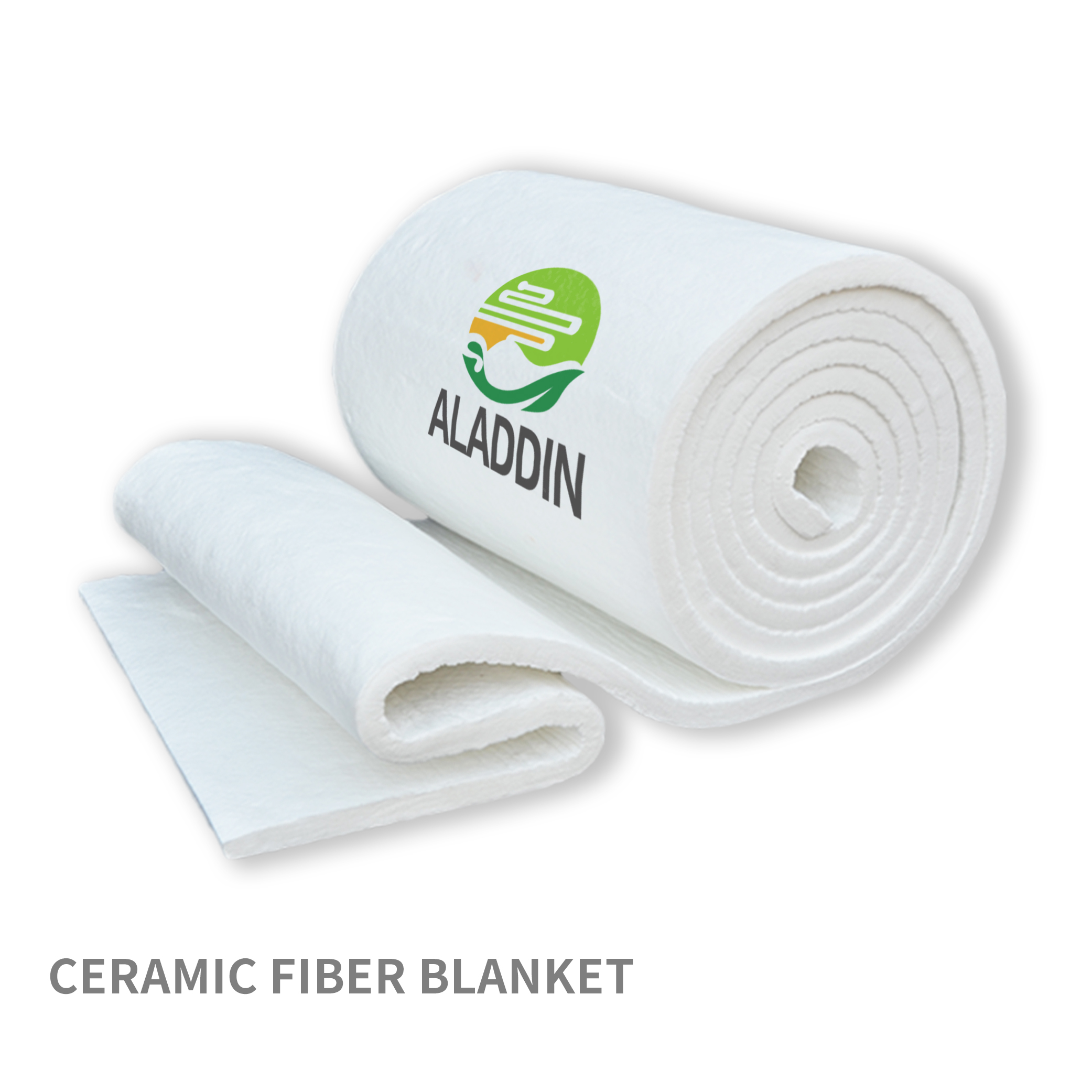
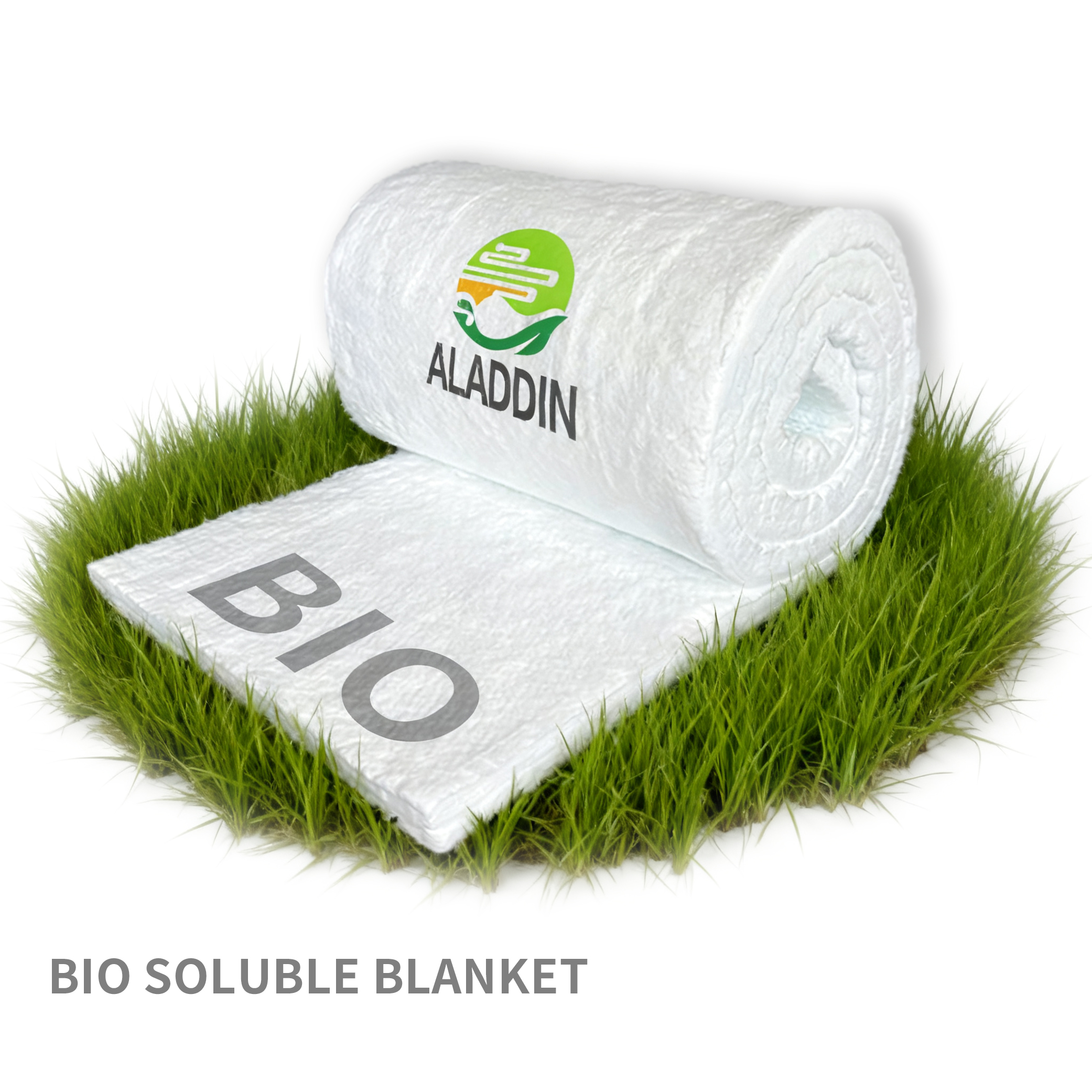
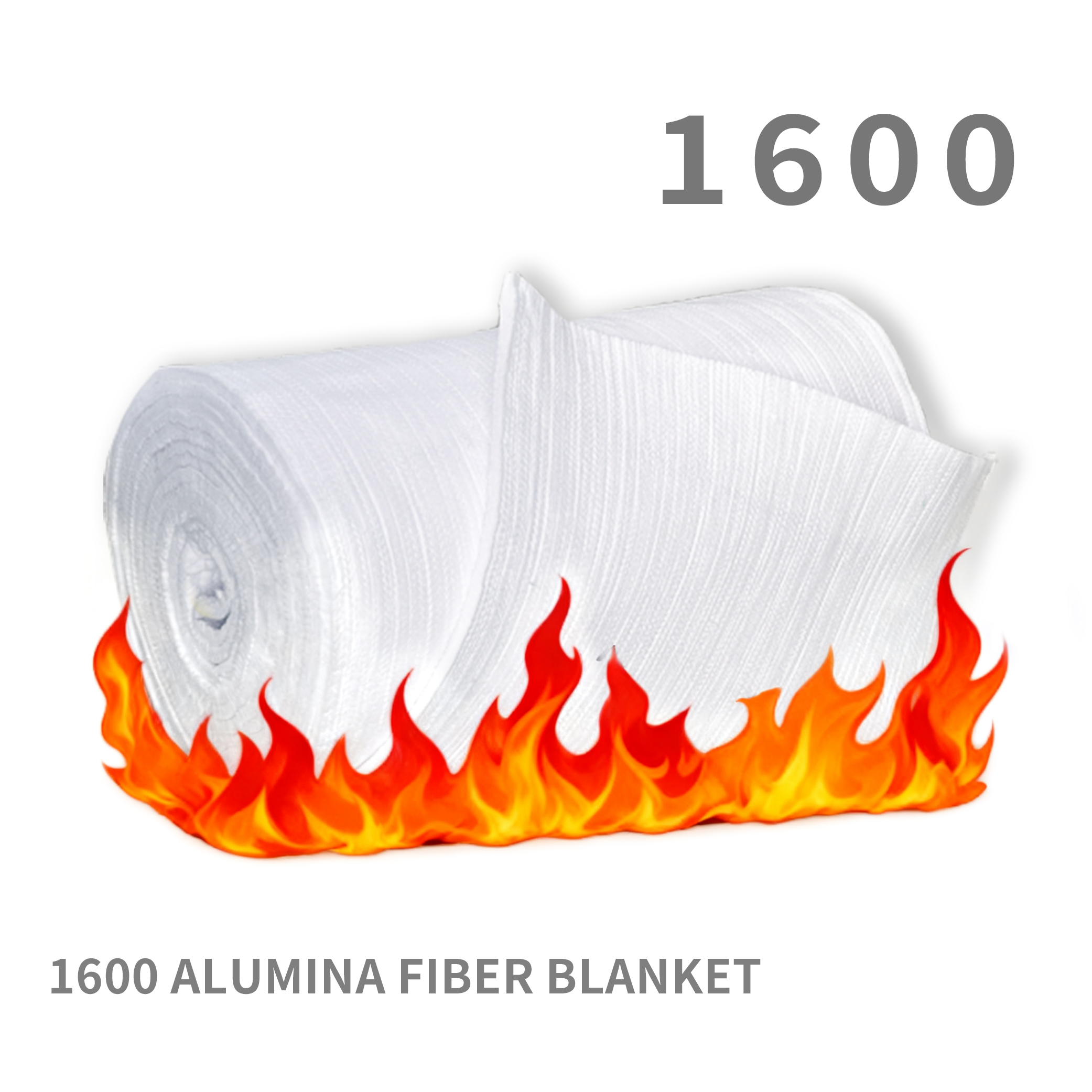
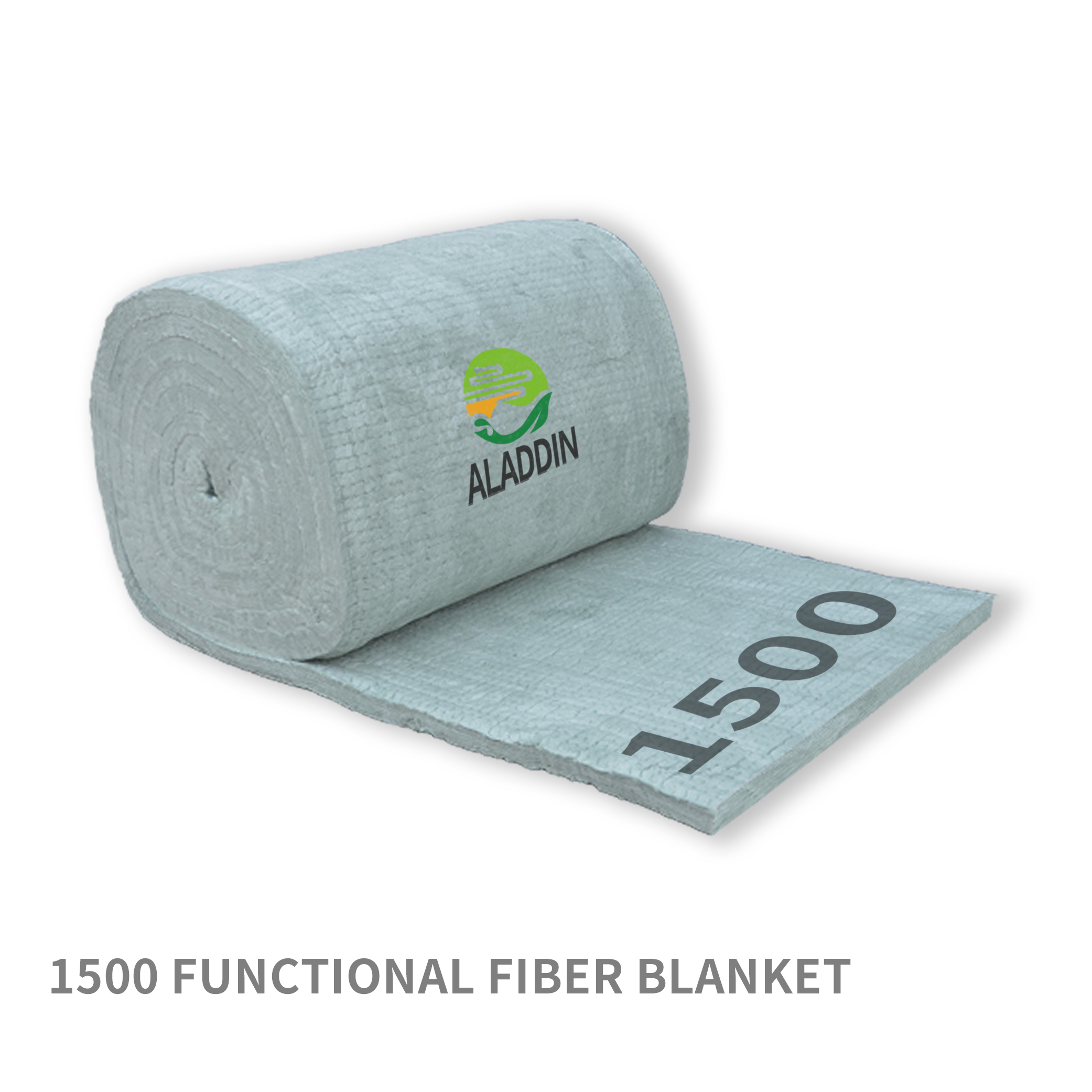
Filler materials generally adopt ceramic fiber bulk wool or blankets, with service temperature determined by the temperature of the kiln firing zone. Synthetic high‑purity blankets (1260 ℃ grade) meet requirements for most ceramic and brick‑and‑tile tunnel kilns, with a working temperature up to 1100 ℃. Ceramic fiber blankets have a bulk density of only 96 kg/m³ or 128 kg/m³, which is 1/20 the weight of traditional refractory bricks and 1/10 that of cement‑bonded expanded vermiculite.
Surface overlay layer: Lay ceramic fiber blankets above the insulation plinth as a composite insulating layer. Common thickness ranges from 20 mm to 50 mm; synthetic high‑purity or zirconia‑alumina grades are available.
Joint sealing: Reserve expansion joints between bricks, and pack with ceramic fiber paper and bulk wool to prevent heat leakage through mortar joints. Fill gaps at lap joints between kiln cars with ceramic fiber blankets or ropes to raise airflow resistance and minimize air leakage.
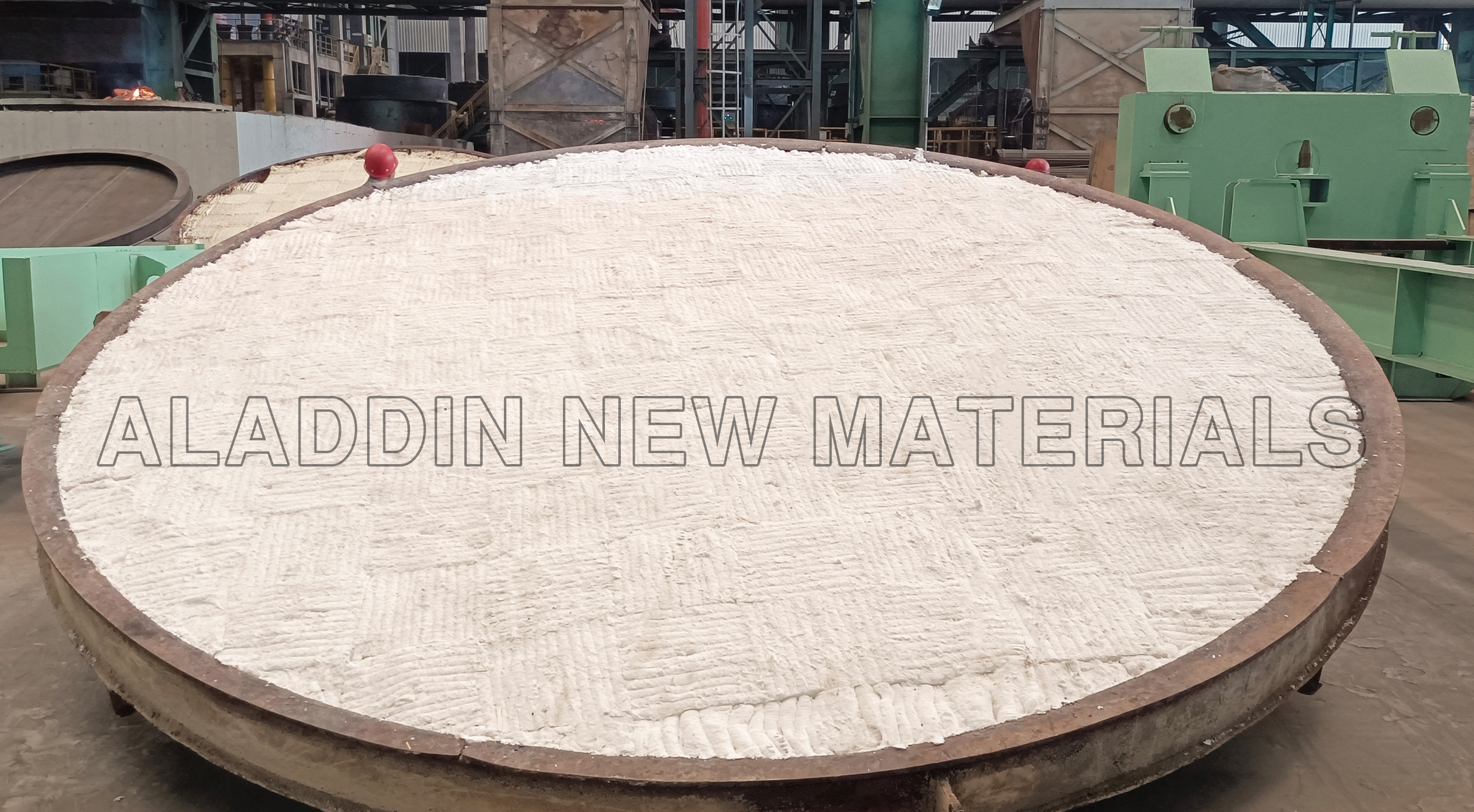
Compared with traditional brick‑constructed kiln cars, composite ceramic‑fiber insulation delivers prominent multi‑dimensional advantages:
Substantial weight reduction: Ceramic fiber density is only a fraction of lightweight refractory brick density. It greatly cuts kiln‑car weight and extends service life of kiln cars.
Energy saving and consumption reduction: Lightweight fiber linings have greatly reduced heat‑storage capacity, lowering heat carried away when kiln cars enter and exit the kiln. Its thermal conductivity is roughly 1/8 of refractory bricks, cutting kiln‑car heat‑storage loss by approximately 50 %. Heat loss is minimized and thermal efficiency improved for better environmental performance and energy conservation.
Excellent thermal‑shock resistance and long service life: Ceramic‑fiber products resist cracking and structural failure under rapid heating‑cooling cycling, granting long service cycles.
Superior chemical stability: As inorganic non‑metallic materials, ceramic fibers feature stable chemical structures. They do not react with most common substances and will not corrode kiln‑car metal bodies.
The core of the tunnel‑kiln‑car insulation solution lies in replacing conventional cement‑bonded expanded vermiculite with lightweight, high‑efficiency ceramic‑fiber materials. While maintaining structural strength, this minimizes self‑heat‑storage and dead weight of kiln cars, and optimizes kiln‑bottom sealing performance. It fundamentally addresses long‑standing production troubles: excessive heat‑storage loss, poor sealing and over‑heavy kiln cars.
Shanxi Aladdin New Materials Co., Ltd. has over 40 years of specialization in ceramic‑fiber technology. Our full‑range product portfolio includes bulk wool, blankets, boards, paper, modules and custom‑shaped parts. We provide precise material selection and customized solution design for different areas such as kiln‑car insulation cavity filling, surface overlay and expansion‑joint sealing.
Should you encounter any material‑selection or technical questions during kiln‑car insulation retrofits, please call 400‑085‑8836 or email aladdin@aldfiber.com. Our technical team will deliver one‑stop support from material specification matching to construction recommendations, based on your actual kiln operating conditions.
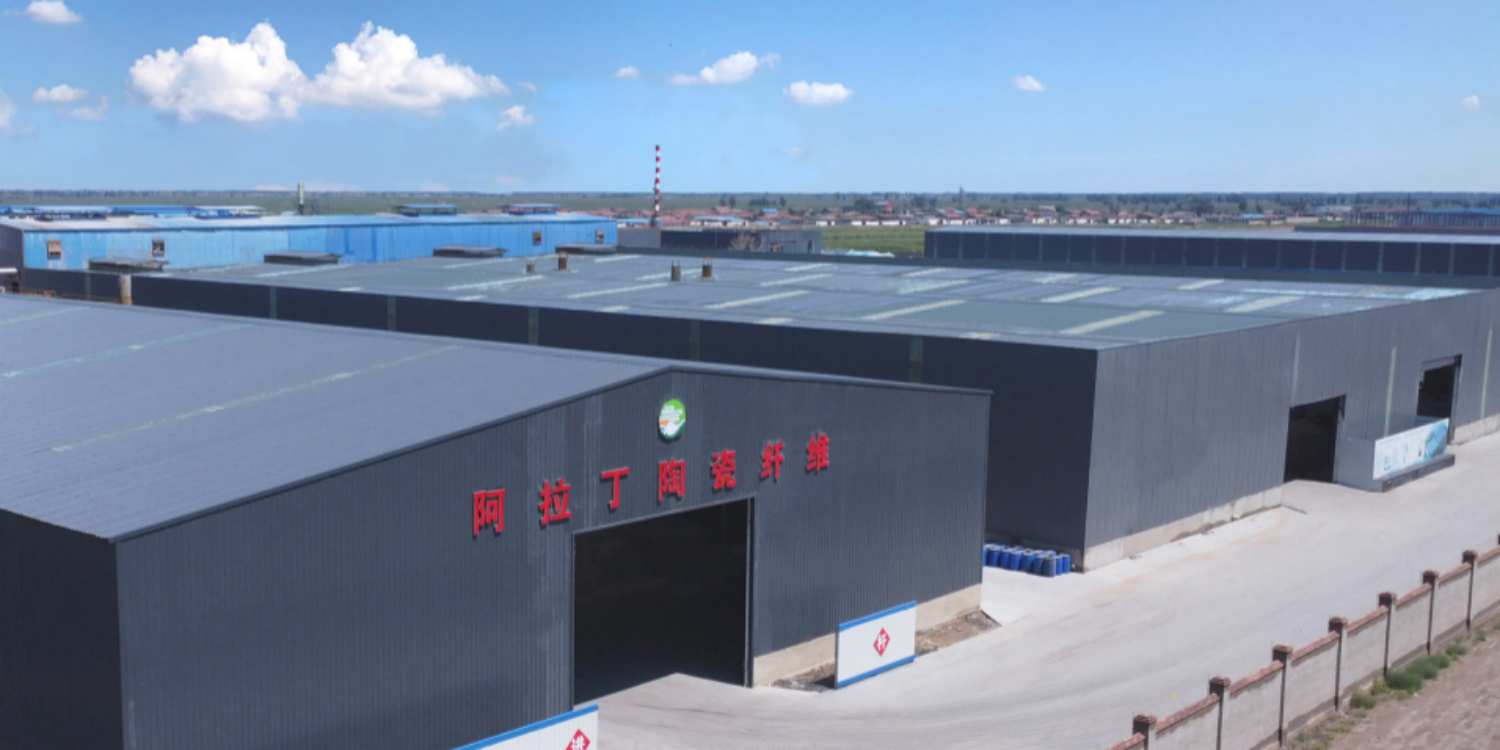
With more than 40 years of development, Aladdin High‑Temperature Materials Co., Ltd. is a professional ceramic‑fiber manufacturer integrating production, R&D and engineering development. We operate four major production bases across China in Hebei, Shandong, Shanxi and Jiangsu, running more than 30 production lines with an annual output exceeding 200 000 tons.
All Aladdin ceramic‑fiber products are supplied with relevant test reports and comply with Chinese national standards. If you are interested in our products, you may send us a private message or type “Purchase” to obtain our contact information.
LiveChatX
 Send Email
 WhatsApp