
In the field of electric furnace manufacturing and operation, the selection of furnace lining materials directly affects equipment performance, energy consumption and service life. Conventional electric furnaces adopt firebrick‑built furnace chambers, which suffer from heavy weight, slow temperature rise and high heat loss — long‑standing troubles for end‑users. The advent of ceramic fiber insulation materials has completely transformed this situation, enabling electric furnaces to evolve from "heavy‑duty equipment" to "lightweight and high‑efficiency systems".
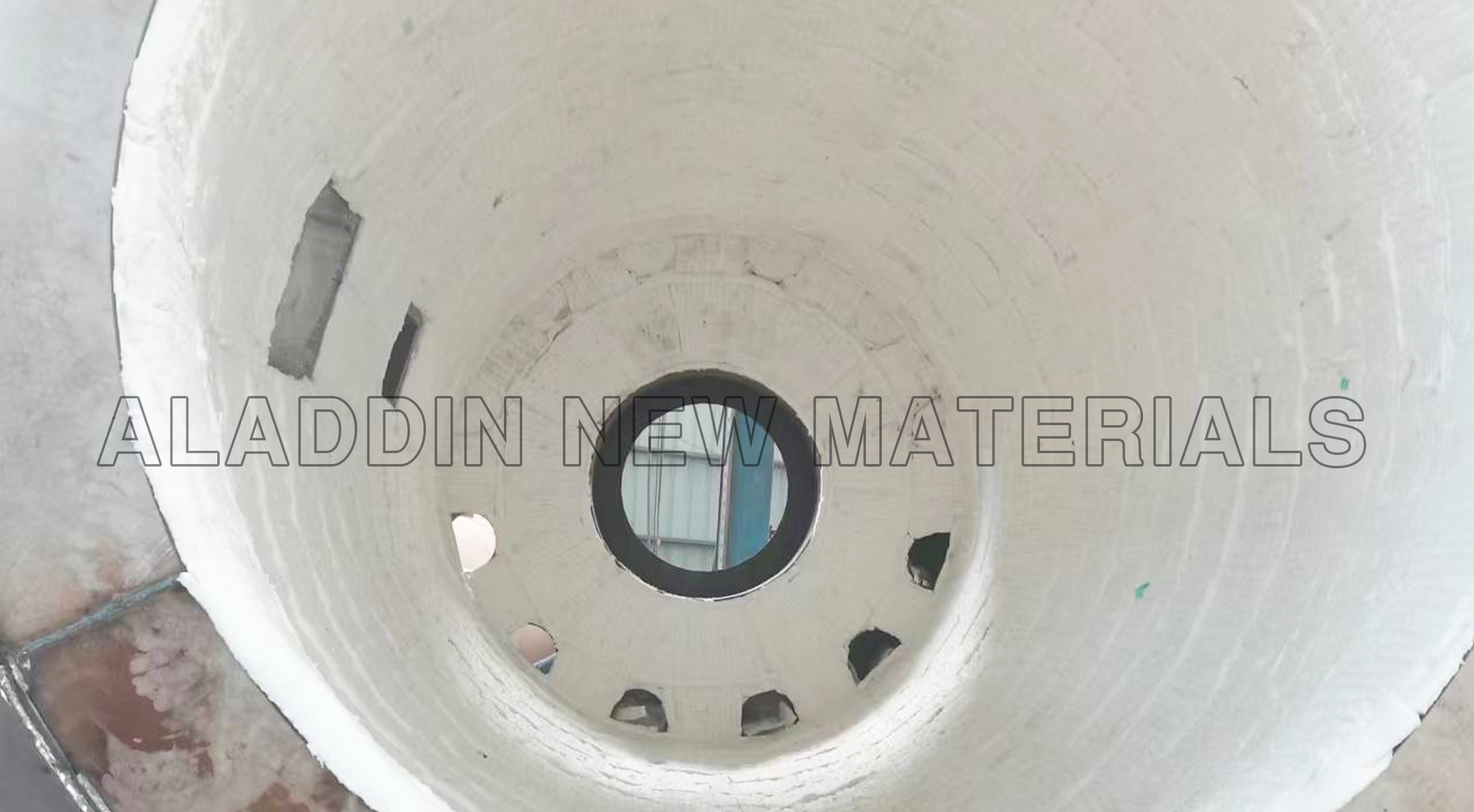
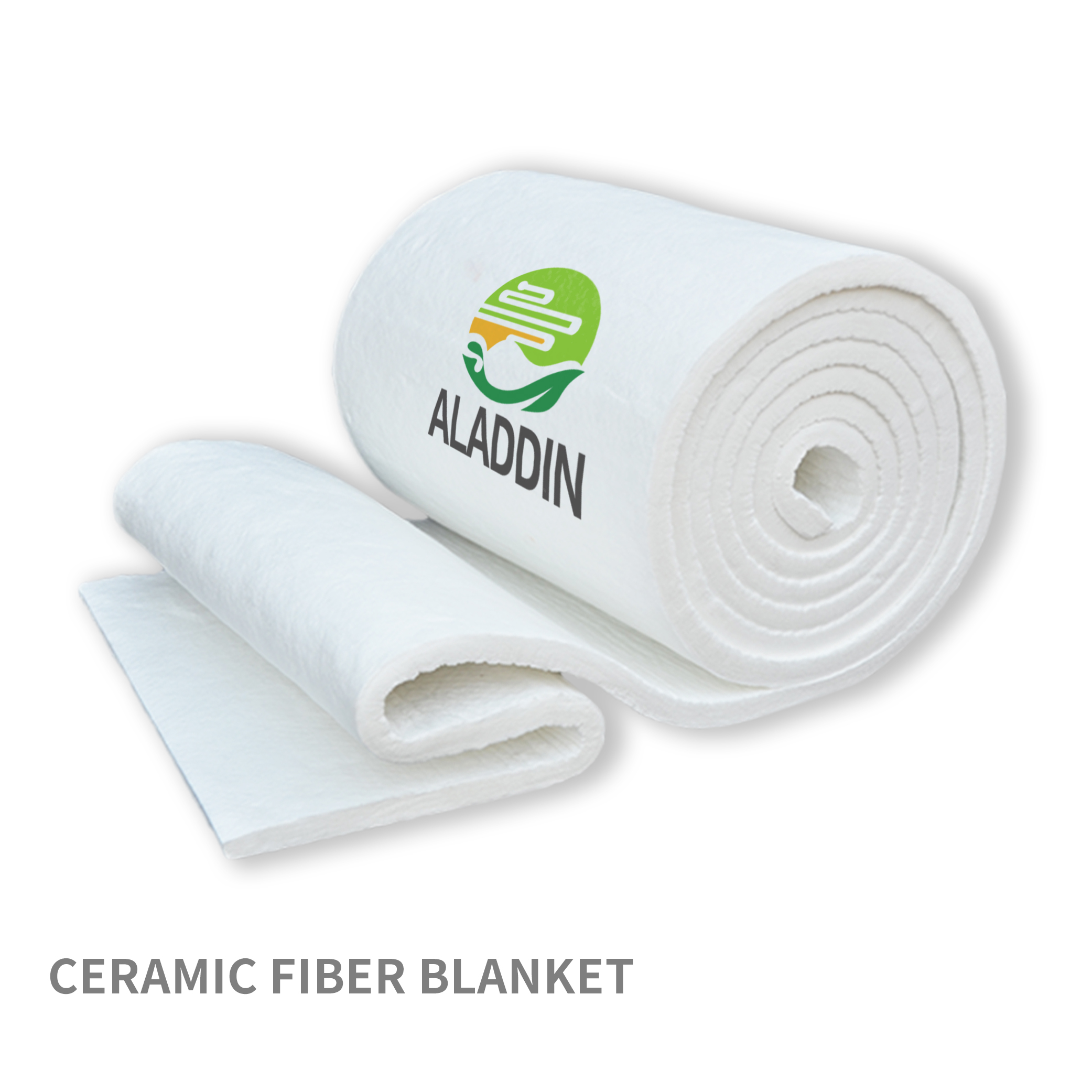
Ceramic fiber is a fibrous lightweight refractory insulation material with a bulk density ranging from 64 ~ 160 kg/m³, while conventional firebricks have a bulk density above 2000 kg/m³. What does this mean? For the same volume, the weight of a ceramic fiber furnace lining is only about 1/20 of that of a firebrick lining. This delivers remarkable improvements: the overall furnace weight drops sharply, foundation load requirements are lowered, less steel structure is required for furnace frames, and equipment manufacturing costs are reduced accordingly. For users, equipment installation becomes simpler, and the mobility of mobile or bogie‑type electric furnaces is greatly enhanced.
During electric furnace operation, heat absorbed by the furnace lining itself counts as ineffective heat loss. This heat is consumed only during heating, contributes nothing to workpiece heating, and dissipates entirely upon cooling. The heat storage capacity of ceramic fiber lining is approximately 1/30 of brick linings. This means electric furnaces no longer need to “heat up tons of bricks” when rising from ambient temperature to working temperature, resulting in drastically shortened heating‑up time. Take ceramic fiber muffle furnaces as an example: reaching 1000 ℃ takes roughly 12 minutes, versus 80 minutes for traditional muffle furnaces — a striking gap.
Low heat storage directly translates into energy savings. Surveys of 431 ceramic‑fiber‑lined kilns in China show that intermittent electric furnaces achieve average energy savings of over 20 %, and continuous fuel‑fired kilns can reach up to 58 % energy saving. Meanwhile, furnace shell surface temperature can be maintained at around 60 ℃ (national standard limit: 100 ℃), greatly cutting heat dissipation.
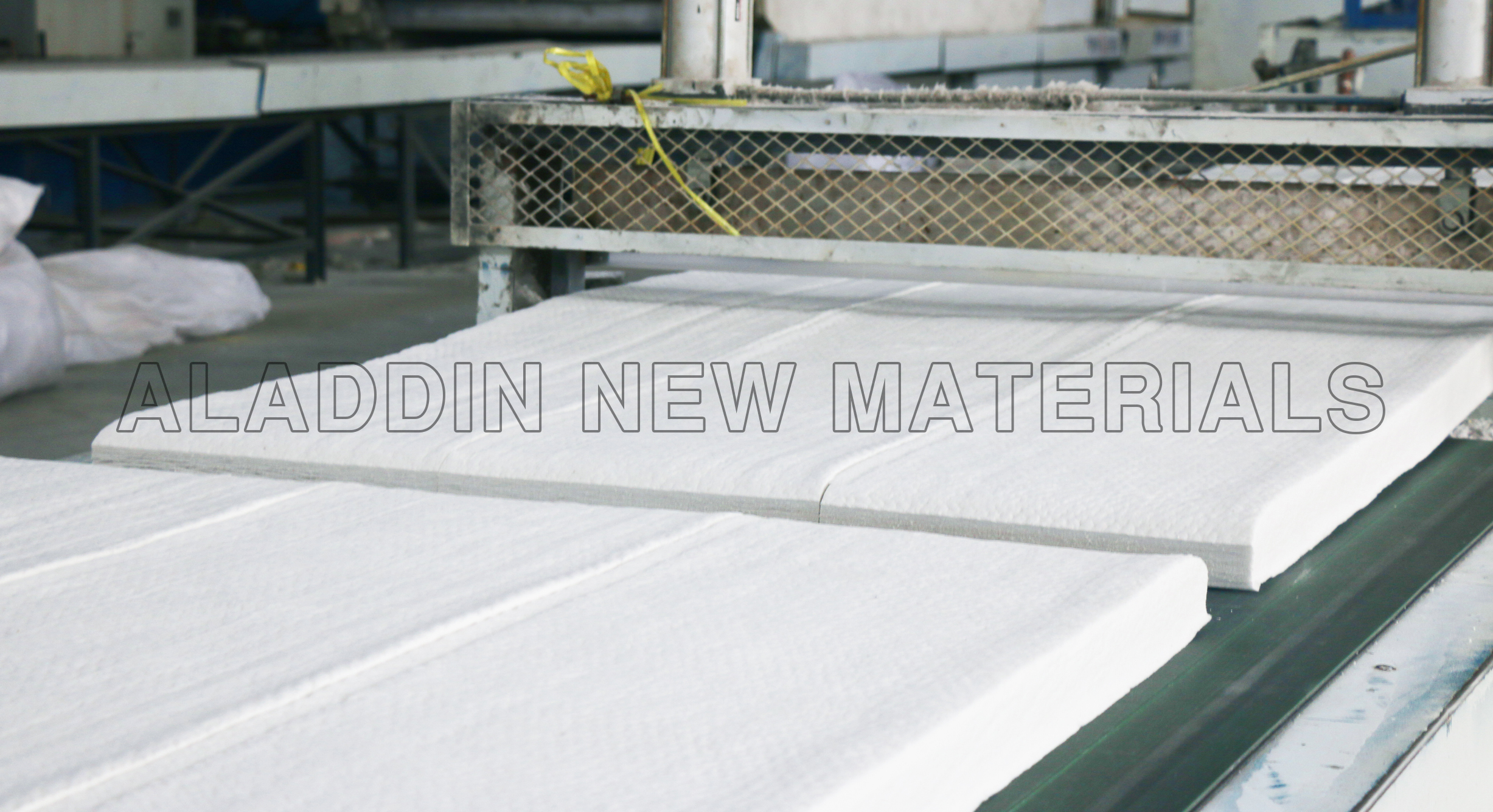
Traditional refractory castable linings require slow pre‑firing after construction to remove moisture and complete sintering and curing. This process often takes several days or even longer. Improper pre‑firing may cause furnace lining cracking.
Ceramic fiber linings are completely different. They can be put into service right after installation with no pre‑firing, significantly shortening commissioning cycles. This advantage is particularly critical for emergency repair and rapid production resumption scenarios.
For installation, the porous structure of ceramic fiber simplifies resistance wire fixing: ceramic anchors are inserted directly into the fiber lining, then resistance wires are hung in place. No custom‑shaped bricks or complex pre‑machined channels are needed.
Furnace chambers built with ordinary firebricks are prone to cracking or even bursting under rapid temperature cycling, a common failure mode for electric furnaces. Ceramic fiber materials are flexible and elastic with outstanding thermal shock resistance, resisting cracking and damage under sharp temperature swings.
Additionally, ceramic fiber features good chemical stability. As an inorganic non‑metallic material, it does not react with most substances or corrode furnace shells, further supporting long‑term safe operation of equipment.
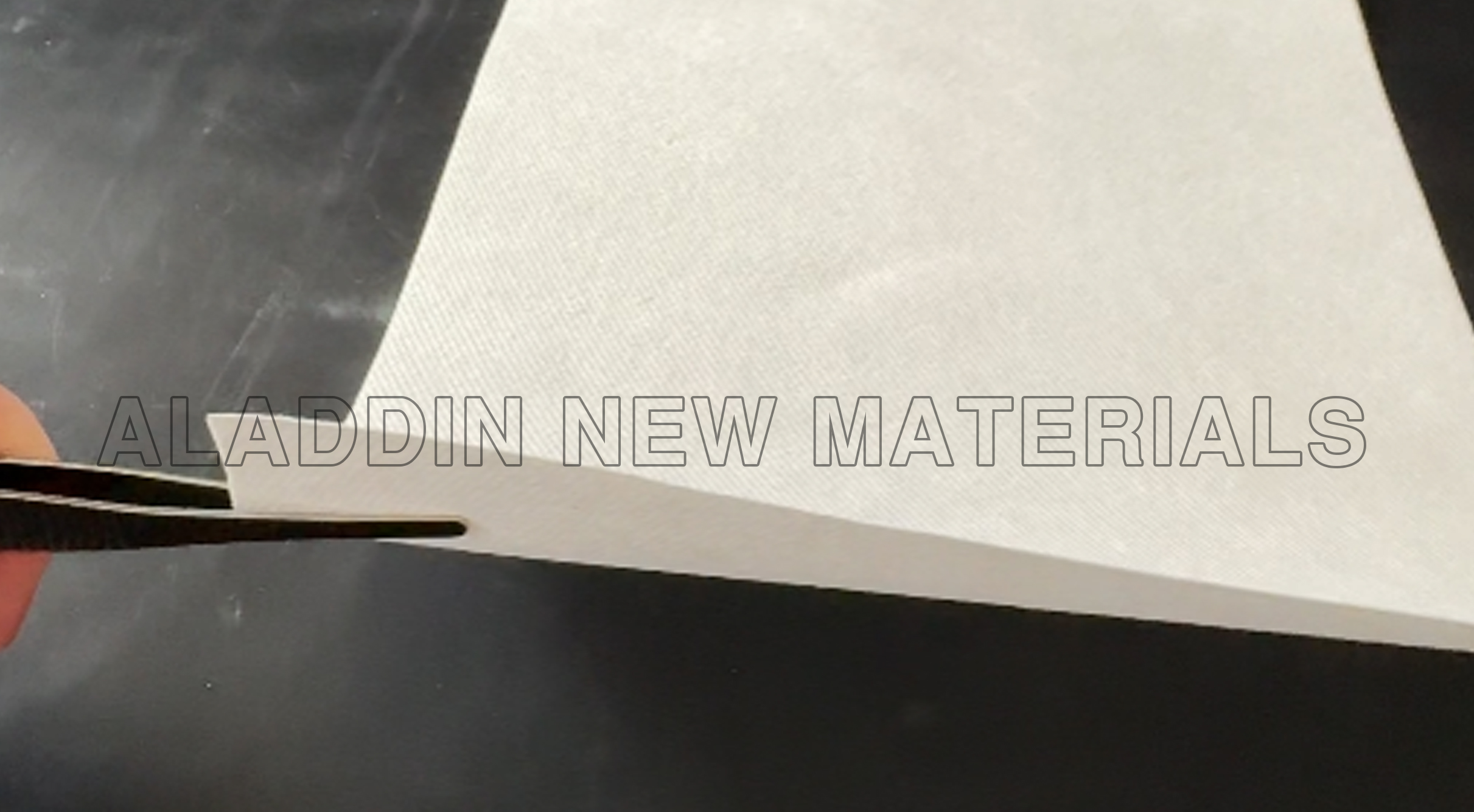
Building on ceramic fiber insulation technology, Aladdin has further developed heating modules. Using vacuum forming technology, heating elements are embedded directly into formed fiber products to create integrated heating‑and‑insulation components.
The core of this design: resistance wires are encapsulated inside refractory fibers. Mechanical anchoring by fiber matrix prevents deformation of resistance wires under high‑temperature softening, substantially extending heating element service life. Leveraging the superior insulating performance of fibers, equipment energy consumption is reduced, with a maximum operating temperature up to 1300 ℃.
To sum up, the core strengths of ceramic fiber insulation in electric furnace applications can be summed up in four keywords: lightweight, low heat storage, thermal‑shock resistant, no pre‑firing needed. It transforms electric furnaces from heavy to compact, from high‑energy‑consuming to energy‑saving, reliably withstands rapid heating‑cooling cycles, and guarantees long‑term safe equipment operation.
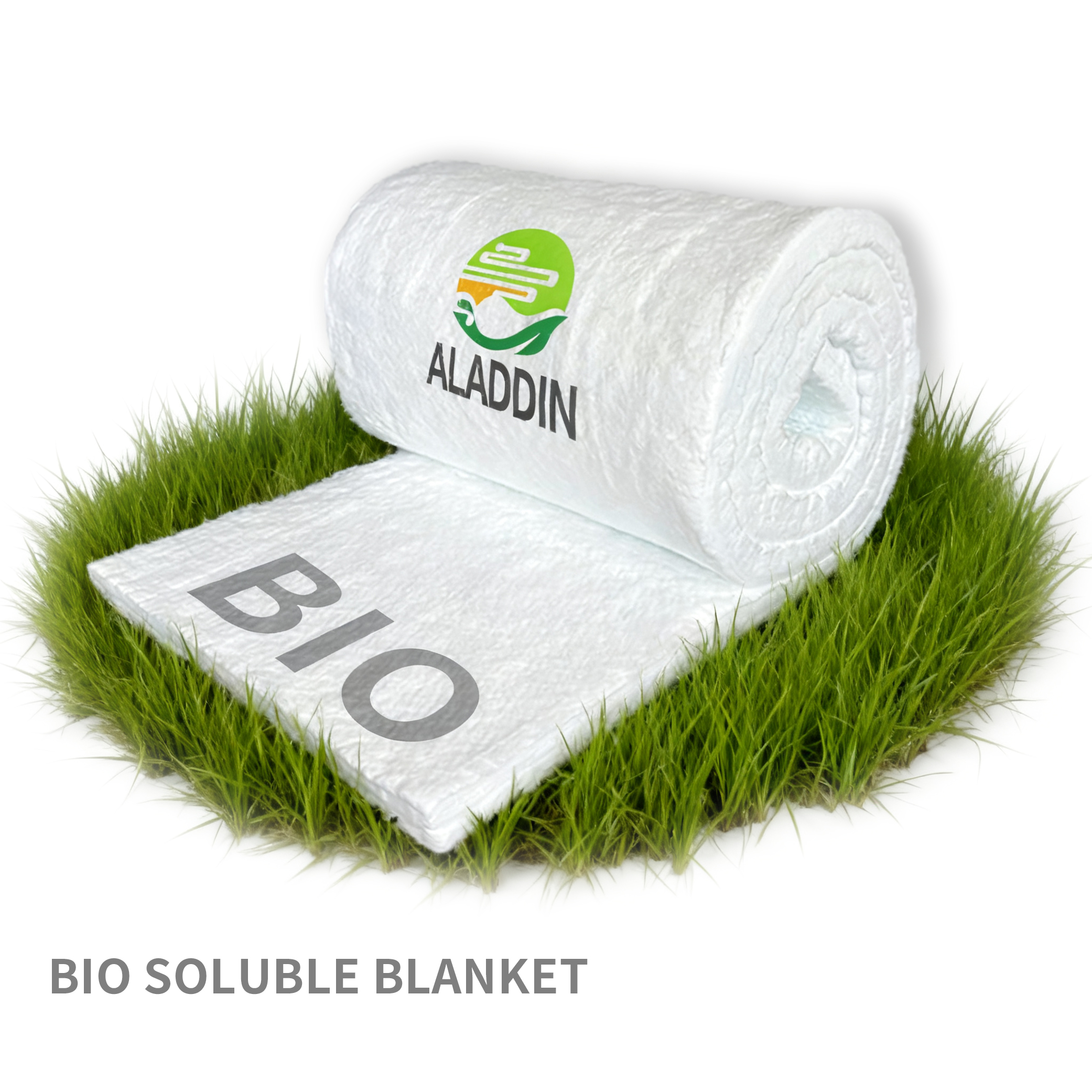
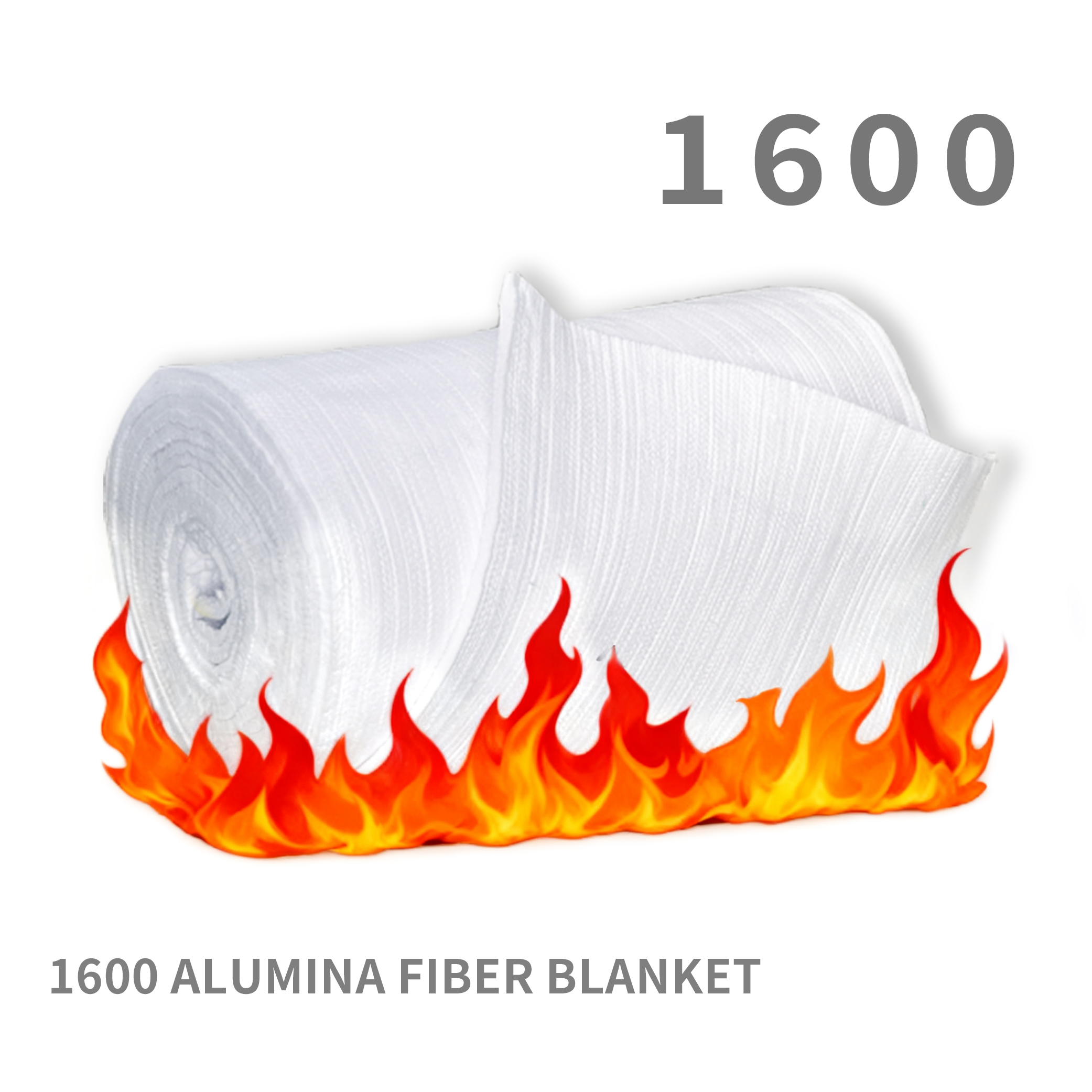
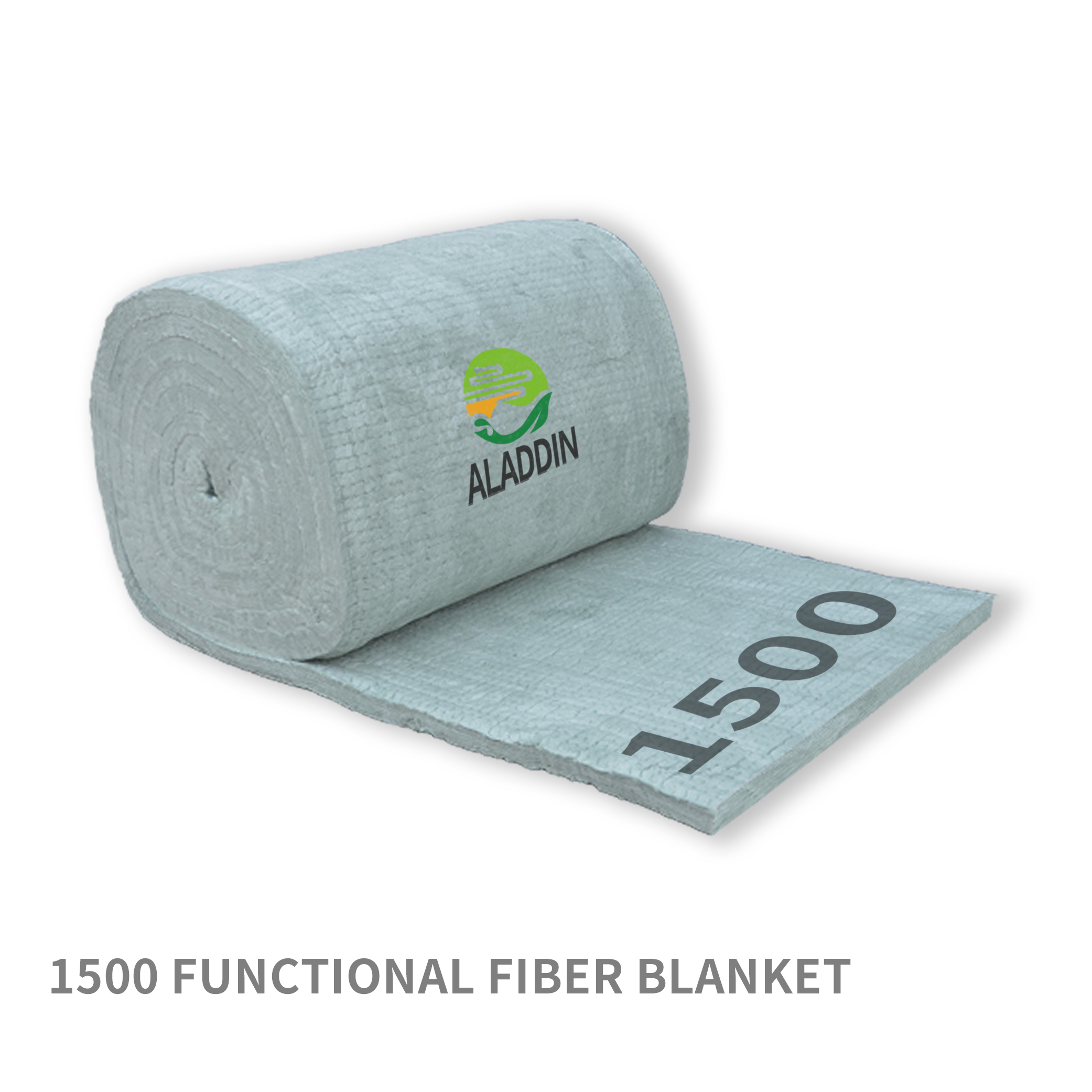
With over 40 years of specialization in ceramic fibers, Aladdin supplies a full product portfolio including blankets, boards, modules, custom‑shaped parts and heating modules. We deliver mature thermal insulation solutions and precise material selection support for various furnace types. For more product information or technical guidance, please contact Jiangsu Aladdin High‑Temperature Materials Co., Ltd. Tel: 400‑085‑8836 | Email: aladdin@aldfiber.com We provide professional product recommendations and technical support.
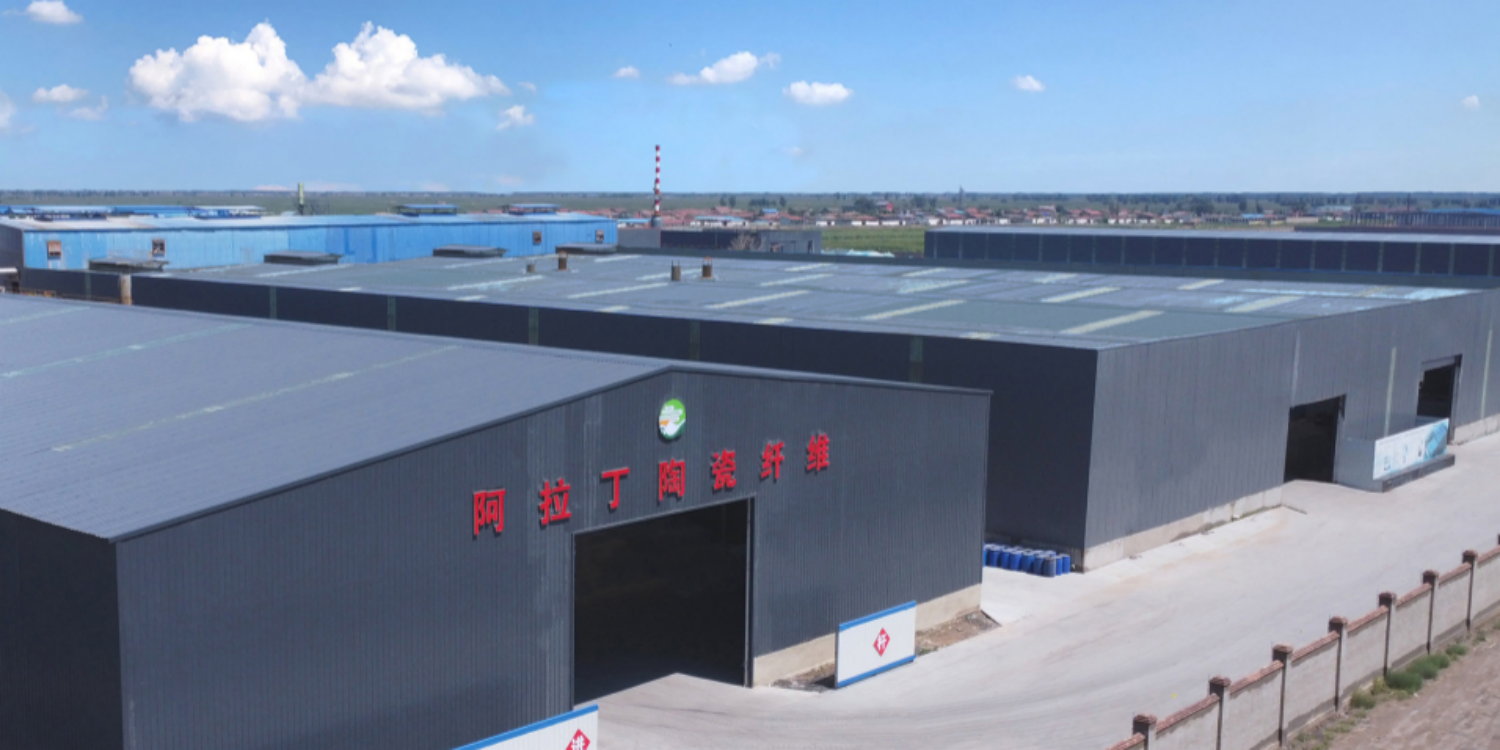
Aladdin New Materials Co., Ltd. has developed for more than 40 years as a professional ceramic fiber manufacturer integrating production, R&D and engineering development. It operates four major production bases nationwide located in Hebei, Shandong, Shanxi and Jiangsu, with more than 30 production lines and an annual output exceeding 200,000 tons.
All Aladdin ceramic fiber products come with corresponding test reports complying with national standards. If you are interested in our products, you may send us private messages or type “PURCHASE” to obtain our contact details.
LiveChatX
 Send Email
 WhatsApp