
In industrial furnace design, the selection of lining materials directly affects equipment energy consumption, heating-up efficiency, operating costs and maintenance cycles. For a long time, traditional refractory bricks have been the mainstream choice for furnace linings. However, with rising energy-saving requirements, more and more enterprises are turning to ceramic fiber modules. Especially under long-term high-temperature operating conditions around 1350°C, 1500 ceramic fiber modules have become a premium upgrade alternative to traditional refractory bricks.
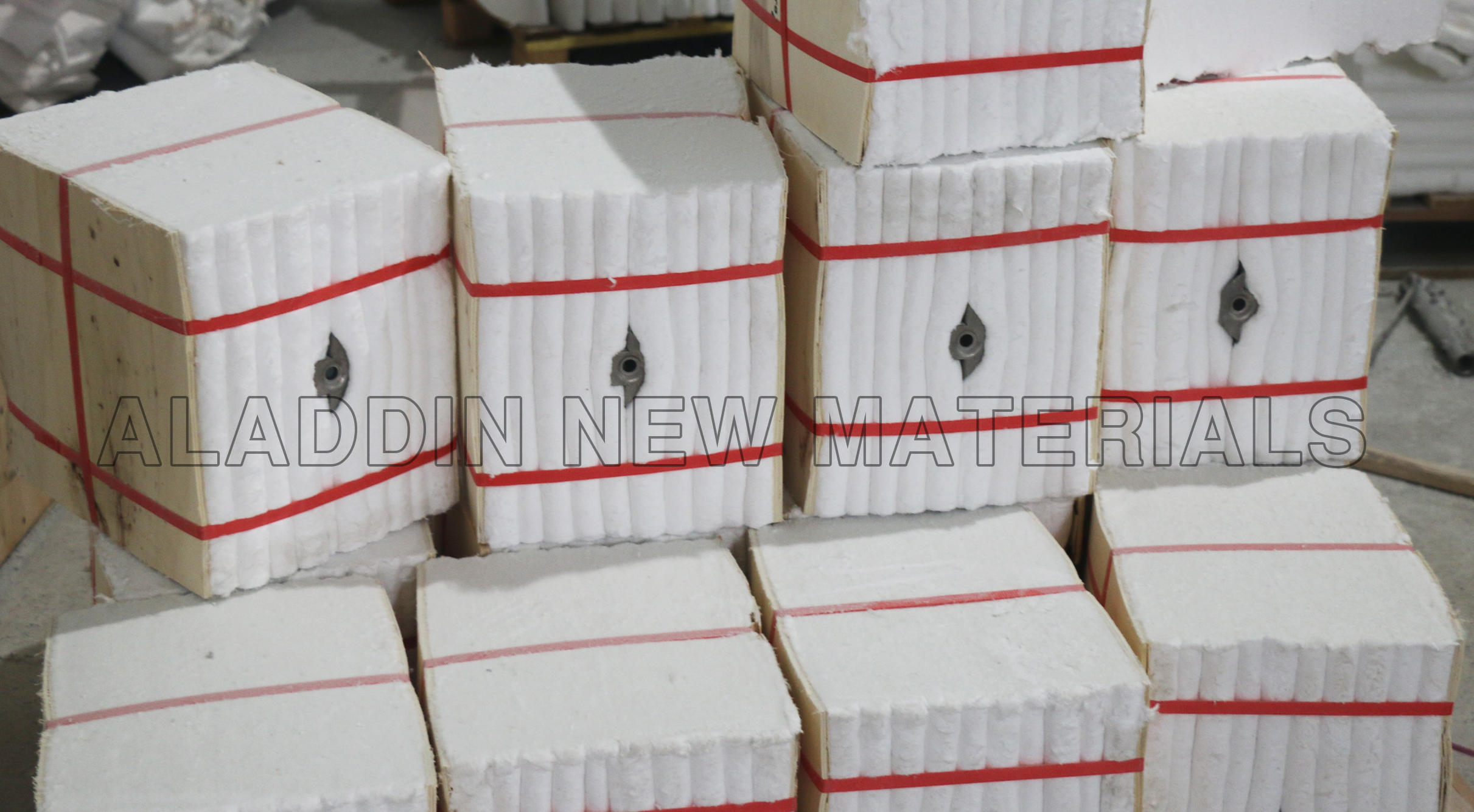
Lighter weight: 1500 ceramic fiber modules feature low mass with a typical density of only 170–240 kg/m³, while traditional refractory bricks are far heavier. The greatly reduced lining weight cuts the load on the furnace steel structure and leaves more margin for equipment foundation design.
Superior thermal insulation: 1500 ceramic fiber modules have a low thermal conductivity, with a typical high-temperature value of 0.3–0.4 W/(m·K), generally lower than that of traditional refractory bricks. The lower the thermal conductivity, the less heat loss from the furnace, delivering remarkable energy-saving performance.
Low heat storage: This is one of the key advantages that distinguish 1500 ceramic fiber modules from refractory bricks. The module lining absorbs little heat itself, whereas refractory bricks consume massive heat just to warm up the brick body. Low heat storage translates to faster heating and a drastically shortened cold startup time.
Faster installation: The modular construction of 1500 ceramic fiber modules enables far higher construction efficiency than bricklaying piece by piece. For enterprises with limited furnace shutdown maintenance windows, this advantage directly turns into production benefits.
Ceramic fiber modules are lightweight with a typical density of 170–240 kg/m³. Thermal insulation is achieved via a large volume of stationary trapped air inside, with porosity exceeding 95%. Refractory bricks are heavy with dense structure and low porosity; they rely on compact refractory aggregates and matrix to withstand high temperatures and loads.
1500 ceramic fiber modules have low thermal conductivity at high temperatures, typically 0.3–0.4 W/(m·K). Refractory bricks generally show higher thermal conductivity, varying by brick grade. Furnace linings built with 1500 ceramic fiber modules significantly reduce heat loss through furnace walls and deliver outstanding overall energy savings.
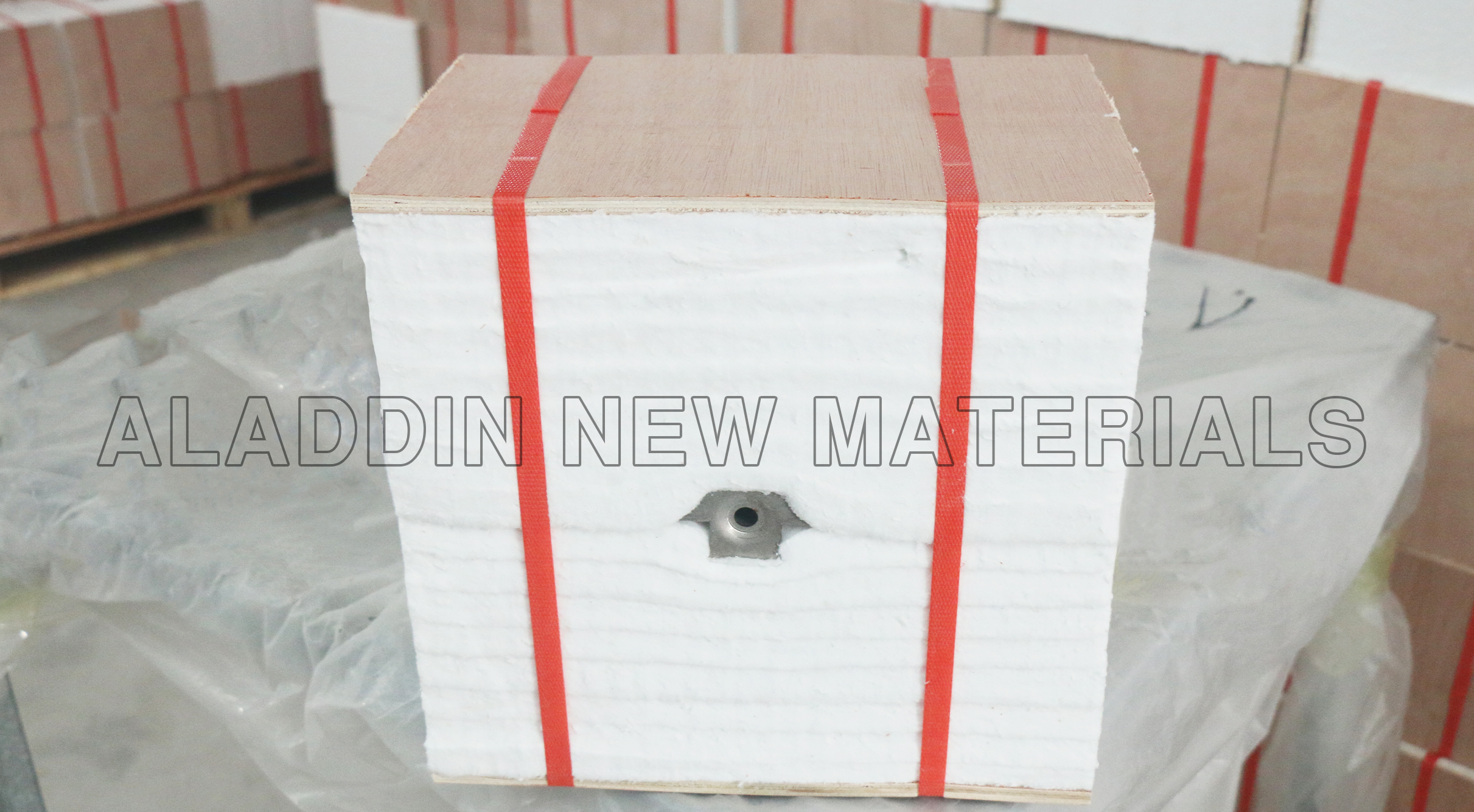
Ceramic fiber modules feature low heat storage and minimal heat absorption by the lining itself. Their heat capacity is roughly 1/10 of refractory bricks. Furnace heating speed is greatly improved, shortening operation cycles and boosting availability, which is especially ideal for batch-type furnaces with frequent start-stop cycles. Refractory bricks have high heat storage; large amounts of heat are required to heat the bricks, resulting in slow temperature rise.
Traditional refractory bricks require slow dry-out treatment ranging from several days to weeks. Ceramic fiber modules can go into operation immediately after installation with no dry-out needed, saving substantial time and fuel.
1500 ceramic fiber modules are pre-compressed during manufacturing (typically 20%–30% compression). After installation, modules expand automatically and press tightly against one another. Combined with matching U-shaped compensation blankets of the same material, they form a seamless monolithic insulating lining, completely eliminating thermal short-circuiting caused by brick joints in traditional refractory brickwork.
In contrast, refractory bricks are laid one by one, inevitably forming joints. Even filled with refractory mortar, mismatched material properties and thermal expansion coefficients will lead to cracking and shrinkage of joints at high temperatures. Continuous gaps form and allow heat to escape through these thermal shortcuts, markedly weakening the overall insulation performance of the lining.
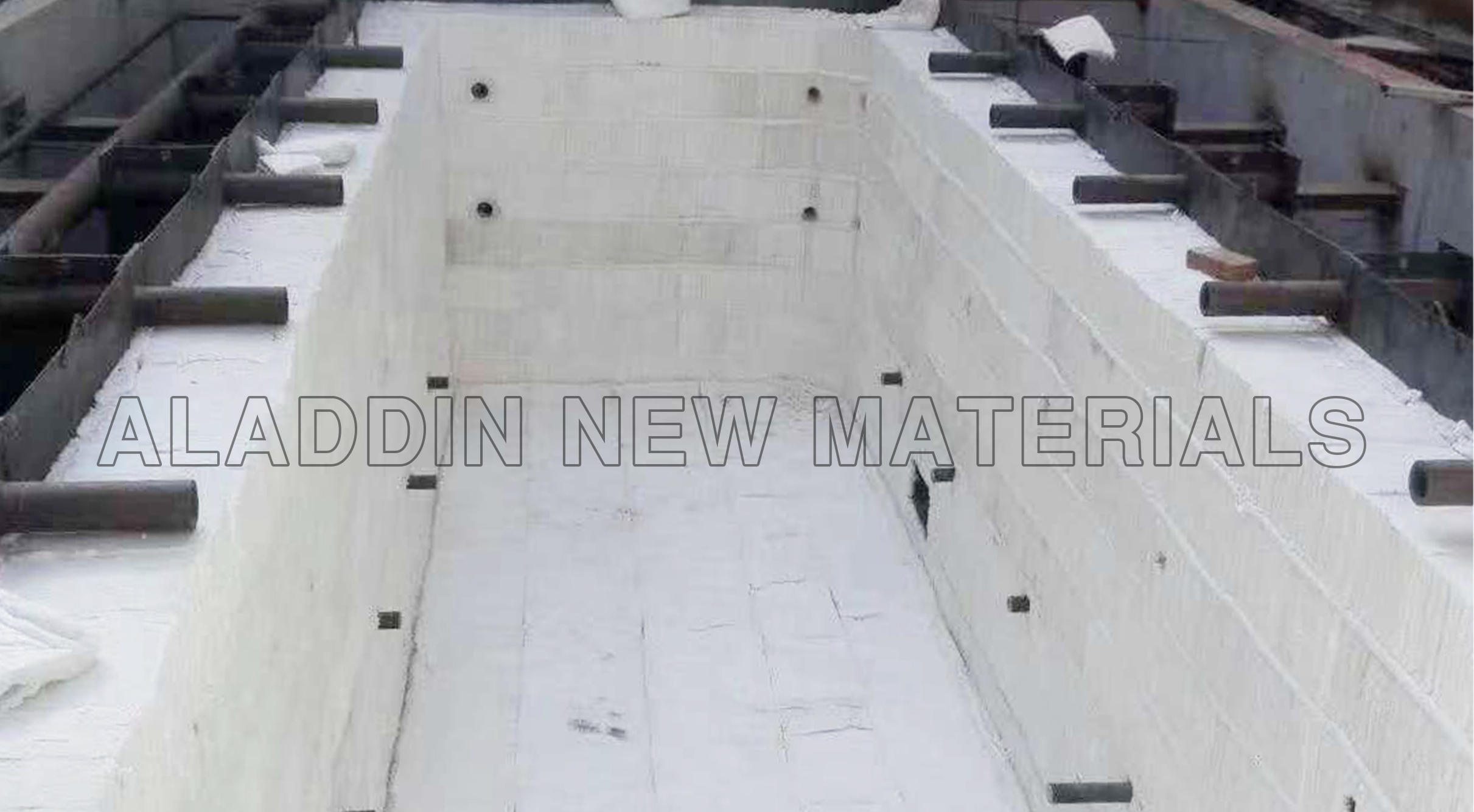
Ceramic fiber modules exhibit excellent thermal shock resistance and can withstand sharp temperature fluctuations without damage, suitable for working conditions with alternating hot and cold cycles. Refractory bricks tend to crack and spall under frequent thermal cycling.
Ceramic fiber modules adopt modular assembly, fixed by anchors and arranged in a staggered pattern. Installation is several times faster than bricklaying. Damaged modules can be replaced individually for easy maintenance. Refractory brickwork requires long construction periods; repairs usually demand full dismantling and re-laying.
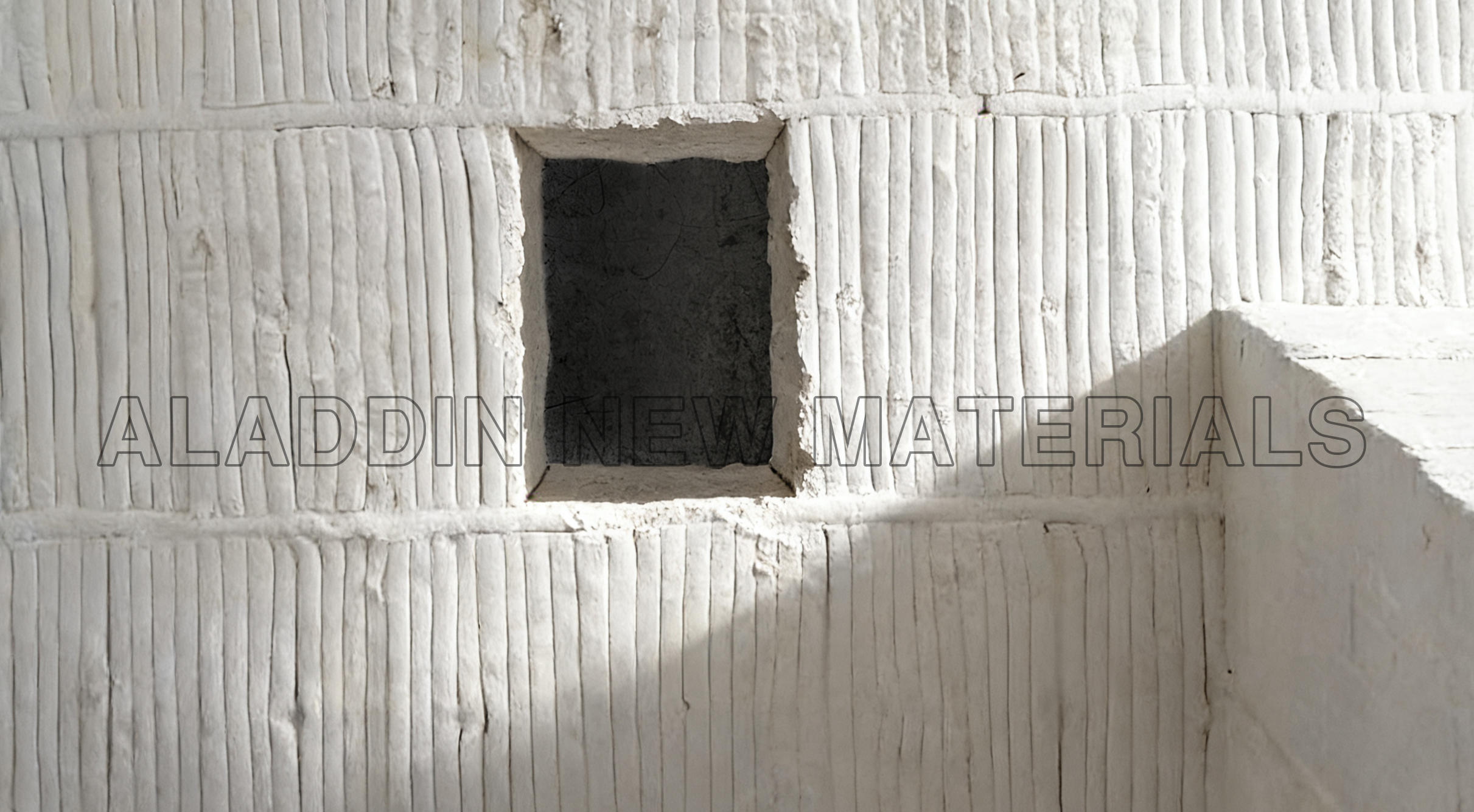
While theoretical parameters and material properties matter, customers care most about tangible returns after retrofitting.
Take one of our clients as an example. Previously, their industrial furnace used a traditional refractory brick lining, requiring around 15–16 hours for full heat-up. After switching to a ceramic fiber lining, the heat-up time dropped to approximately 12 hours, a saving of 3 hours per cycle.
Field measurements show that energy consumption during heating and holding stages improved significantly after the upgrade. In total, about 450–500 Nm³ of natural gas is saved per furnace batch. At a winter natural gas price of roughly CNY 4 per cubic meter, the retrofit cuts production costs by CNY 1,800–2,000 (averaging CNY 2,000) per furnace run. For enterprises with continuous production or frequent furnace batches, cumulative energy savings become substantial over time.
This real case demonstrates that the value of 1500 ceramic fiber modules (or ceramic fiber furnace linings) lies not only in lighter weight and lower thermal conductivity, but more importantly, in shortening heating cycles, cutting energy consumption and directly reducing production costs per furnace batch.
A common misconception in material selection is focusing solely on the unit price of materials. However, the total lifecycle cost determines the real expenditure.
Traditional refractory bricks may have a lower initial procurement cost. Their drawbacks are obvious: heavy lining weight, high heat storage, high labor and time costs for installation, plus heavy energy bills and production downtime losses over service life.
1500 ceramic fiber modules may not enjoy a competitive raw material unit price for high-temperature grades. Nevertheless, they bring comprehensive benefits: reduced lining weight, low heat storage, shorter installation and maintenance time, prominent energy savings and lower long-term operating costs.
When calculating costs, we recommend this formula:Total Cost = Initial Investment + Energy Expense + Installation & Maintenance Cost + Production Loss from DowntimeOnly when all four items are accounted for can the full advantages of ceramic fiber modules be properly evaluated.
Recommended scenarios for 1500 ceramic fiber modules:
Lining areas with continuous operating temperature around 1350°C
Non-load-bearing sections such as furnace walls and crowns
Industrial furnaces requiring energy conservation and fast heating
Applications with frequent furnace startups and shutdowns, and shorter maintenance windows
Conditions requiring careful assessment (not directly applicable):
Locations subject to strong mechanical impact
Areas with heavy abrasion and direct material erosion
Regions bearing large structural loads
Special furnace atmospheres and other complex working conditions
The key to material selection is not deciding which material is “better”, but which one is “more suitable”. With properly designed furnace lining structures, 1500 ceramic fiber modules deliver long-term value including lightweight construction, energy efficiency and convenient operation & maintenance.
If you are planning a new industrial furnace project or lining retrofit, please contact Jiangsu Aladdin High Temperature Materials Co., Ltd. Tel: 400-085-8836 Email: aladdin@aldfiber.com Our technical team will provide customized material selection solutions based on your furnace type, operating conditions and temperature requirements.
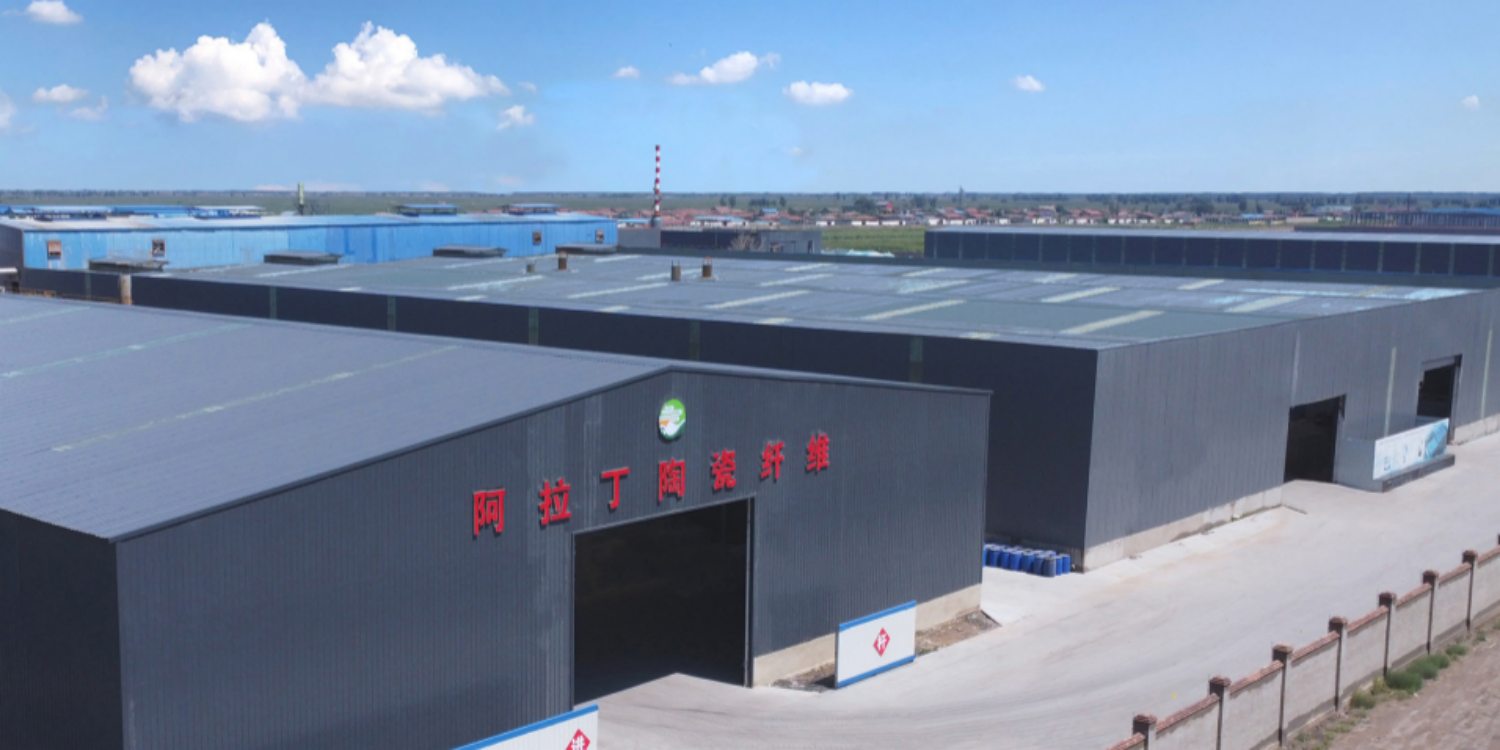
Aladdin High Temperature Materials Co., Ltd. has over 40 years of development history and is a professional manufacturer of ceramic fibers integrating production, R&D and engineering development. We operate four major production bases across China in Hebei, Shandong, Shanxi and Jiangsu, with more than 30 production lines and an annual output exceeding 200,000 tons.
All Aladdin ceramic fiber products come with corresponding test reports and comply with national standards. If you are interested in our products, feel free to send us a private message or reply with “Purchase” to obtain our contact details.
LiveChatX
 Send Email
 WhatsApp