
Carbon baking furnaces are key thermal equipment for the production of aluminum carbon anodes, cathodes and steelmaking electrodes. For a long time, this equipment has suffered from a persistent industry headache: severe air infiltration under negative pressure and unstable operation, which lead to high heat loss and reduced product yield.
More challenging is that the baking system operates at a sustained temperature up to 1250°C, at which ordinary refractory materials cannot maintain stable long-term service. Within this high-temperature zone, standard ceramic fiber modules work near their temperature limit. Zirconia-containing modules are capable of service here but come with higher costs. The industry has long sought an intermediate solution that balances temperature resistance and cost. The Type 1500 ceramic fiber module is such an intermediate product developed to meet this demand.
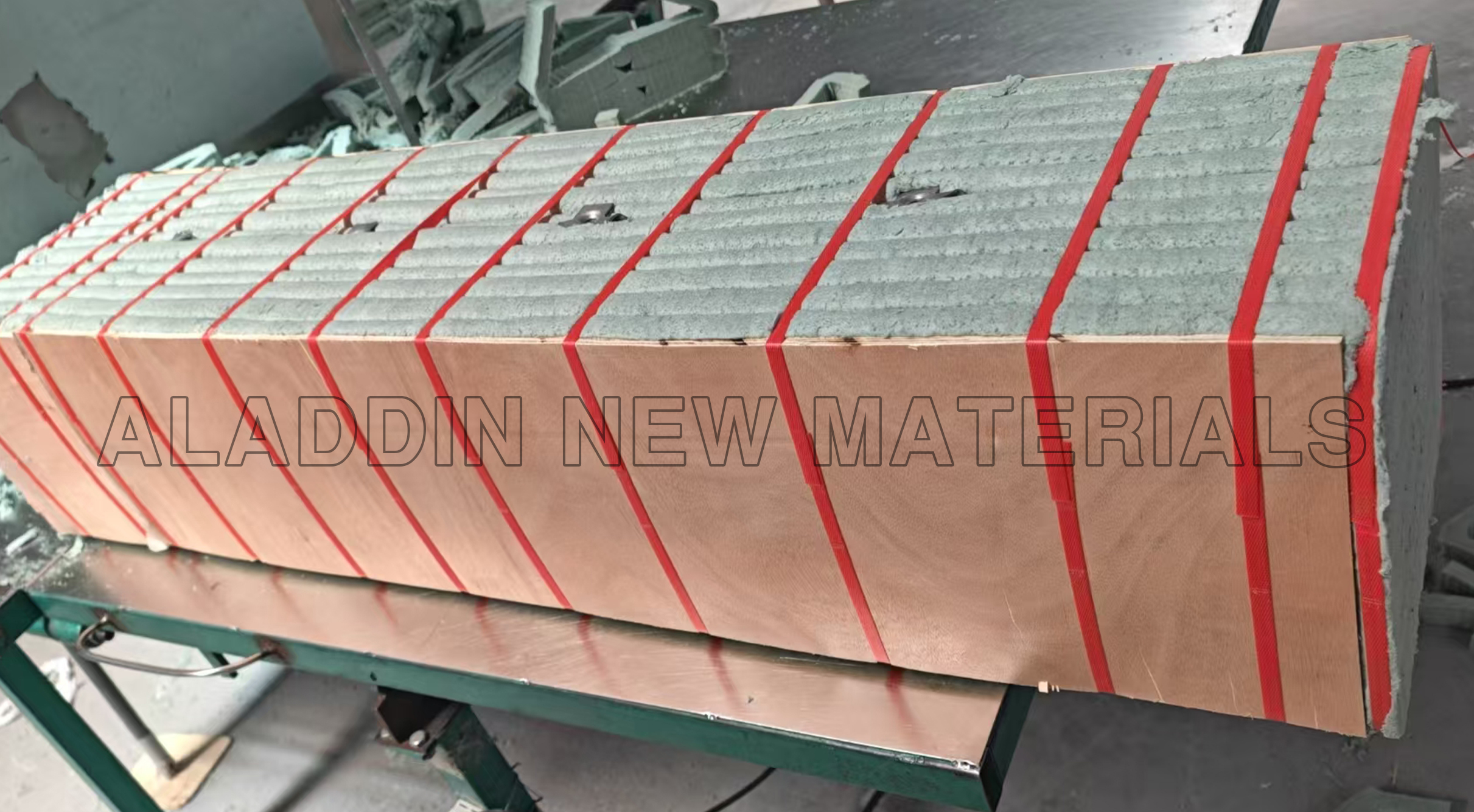
The operating temperature of the carbon baking furnace baking system reaches 1250°C, close to the temperature limit of standard ceramic fiber modules, which carries substantial risks for long-term use. While zirconia-containing modules can be used in this industry, they bring cost pressure or mismatched performance under certain working conditions.
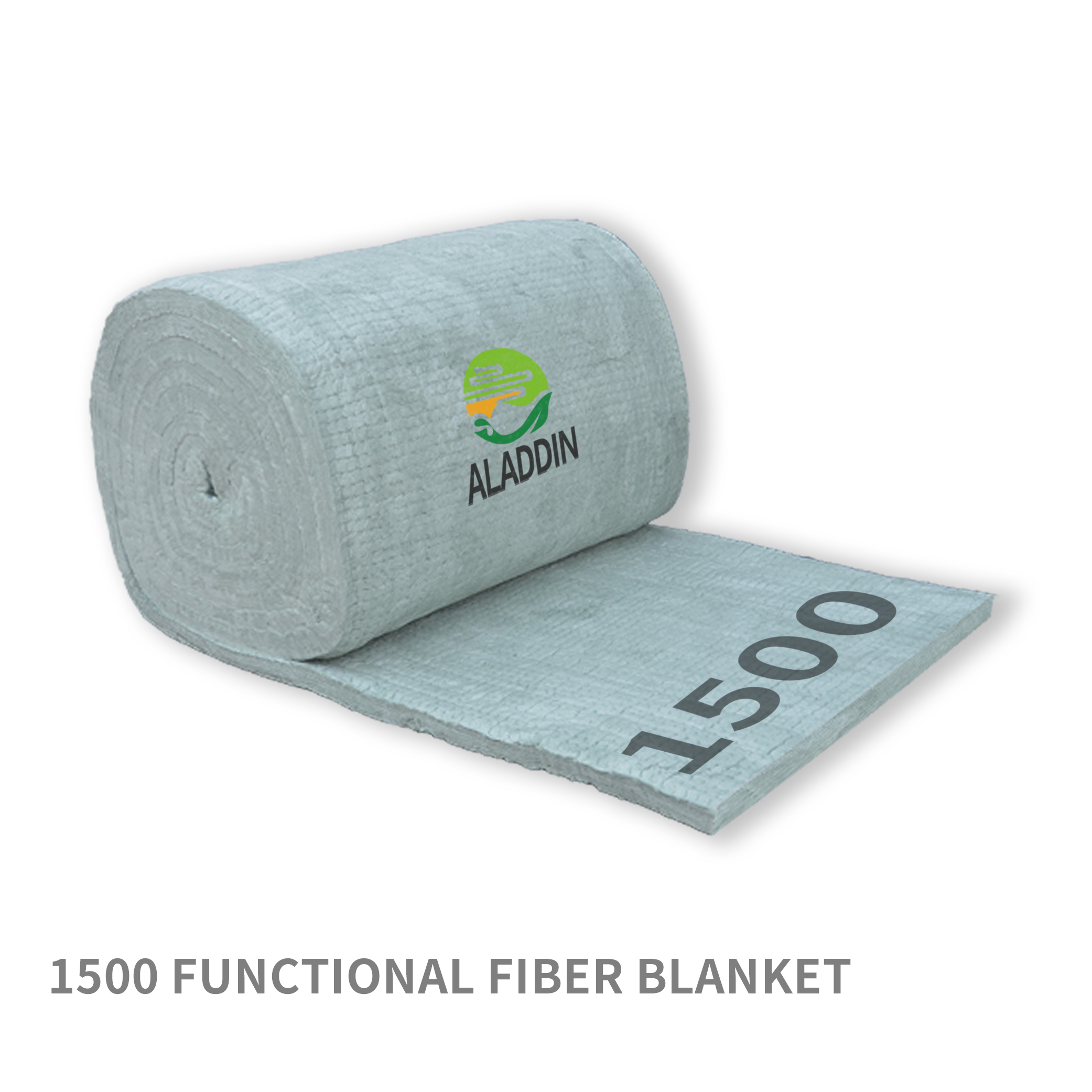
The Type 1500 ceramic fiber module has a classified temperature of 1500°C and a continuous working temperature up to 1350°C, offering ample temperature margin at 1250°C. It is manufactured by adding chromium oxide to aluminosilicate fiber and features a light green color.
Higher temperature resistance and excellent high-temperature stability.The Type 1500 module has a classified temperature of 1500°C, with a linear shrinkage after heating at 1400°C for 24 hours ≤3.0%. It effectively prevents cracking and shrinkage of the furnace lining under long-term high temperature of 1250°C.
Chemical stability and resistance to corrosive atmospheres inside the furnace.Reducing atmospheres and acidic flue gas exist in carbon baking furnaces. With Cr₂O₃ addition, Type 1500 modules deliver improved reduction resistance and structural stability. They can effectively slow fiber degradation and prevent lining pulverization, extending service life by more than 30% compared with standard fiber products.
Low heat capacity and low thermal conductivity for remarkable energy saving.At an average temperature of 1000°C, the thermal conductivity of Type 1500 modules can be as low as approximately 0.149 W/(m·K), delivering an overall energy saving rate of 20%–40%.
Gap-free sealing to solve negative-pressure air infiltration.Type 1500 modules adopt a folded and compressed structure. After installation, they rebound and compress tightly to form an integral gap-free furnace lining, fundamentally resolving the negative-pressure air leakage problem of carbon baking furnaces.
Type 1500 ceramic fiber modules are mainly applied to the following parts of carbon baking furnaces:
Furnace lid insulation. Traditional refractory brick furnace lids for carbon baking furnaces are gradually replaced by ceramic fiber modules to achieve lightweight construction, energy conservation and improved sealing performance.
Furnace walls and flue walls. In high-temperature zones at 1250°C, Type 1500 modules combined with Type 1500 blankets form a composite structure to replace conventional brick linings, effectively reducing heat dissipation through furnace walls and improving furnace temperature uniformity.
Corrosion-resistant sealing areas. Type 1500 modules are especially suitable for carbon furnace sections exposed to reducing atmospheres and chemical corrosion risks.
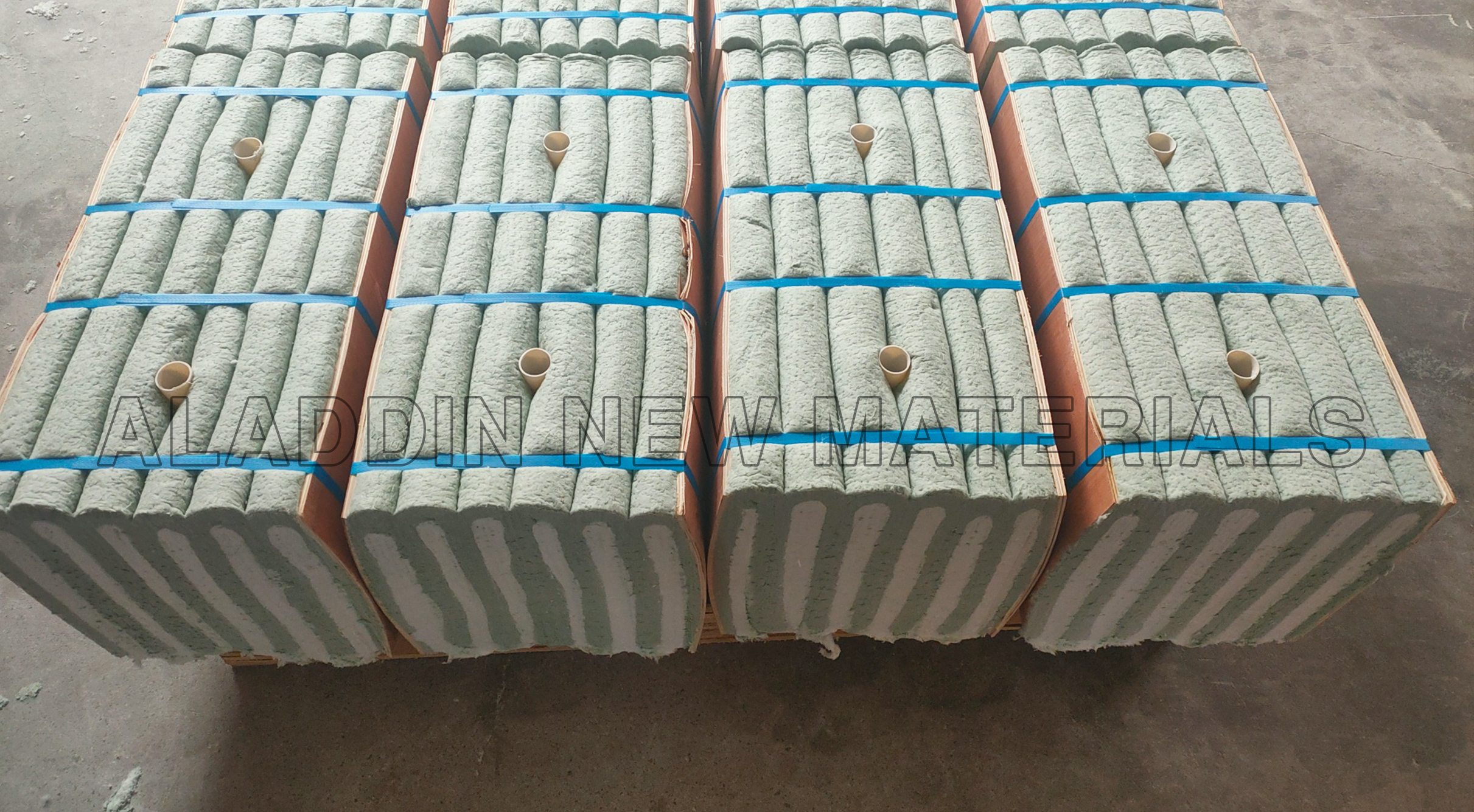
For carbon baking furnaces operating at 1250°C, Type 1500 modules are the preferred option balancing temperature resistance and cost efficiency.
Compared with standard ceramic fiber modules (limit temperature ~1260°C), Type 1500 modules provide greater temperature margin and notably longer service life under continuous 1250°C operation.
Compared with zirconia-containing ceramic fiber modules, Type 1500 modules serve as a distinctive intermediate choice for corrosive atmospheres under certain working conditions and budget requirements.
Note: The Cr₂O₃ contained in Type 1500 modules may undergo valence state changes under specific conditions, yet it remains safe and controllable subject to industrial standards and application specifications.
Carbon baking furnaces feature high operating temperatures and complex working conditions. The selection of furnace lining materials directly impacts equipment service life and energy consumption. Aladdin Type 1500 chromium-containing ceramic fiber modules integrate a 1500°C classified temperature, 1350°C continuous working temperature, outstanding chemical corrosion resistance and gap-free sealing design. They provide a reliable insulation solution for the 1250°C high-temperature zones of carbon baking furnaces, delivering reliable high-temperature performance, corrosion resistance and airtightness.
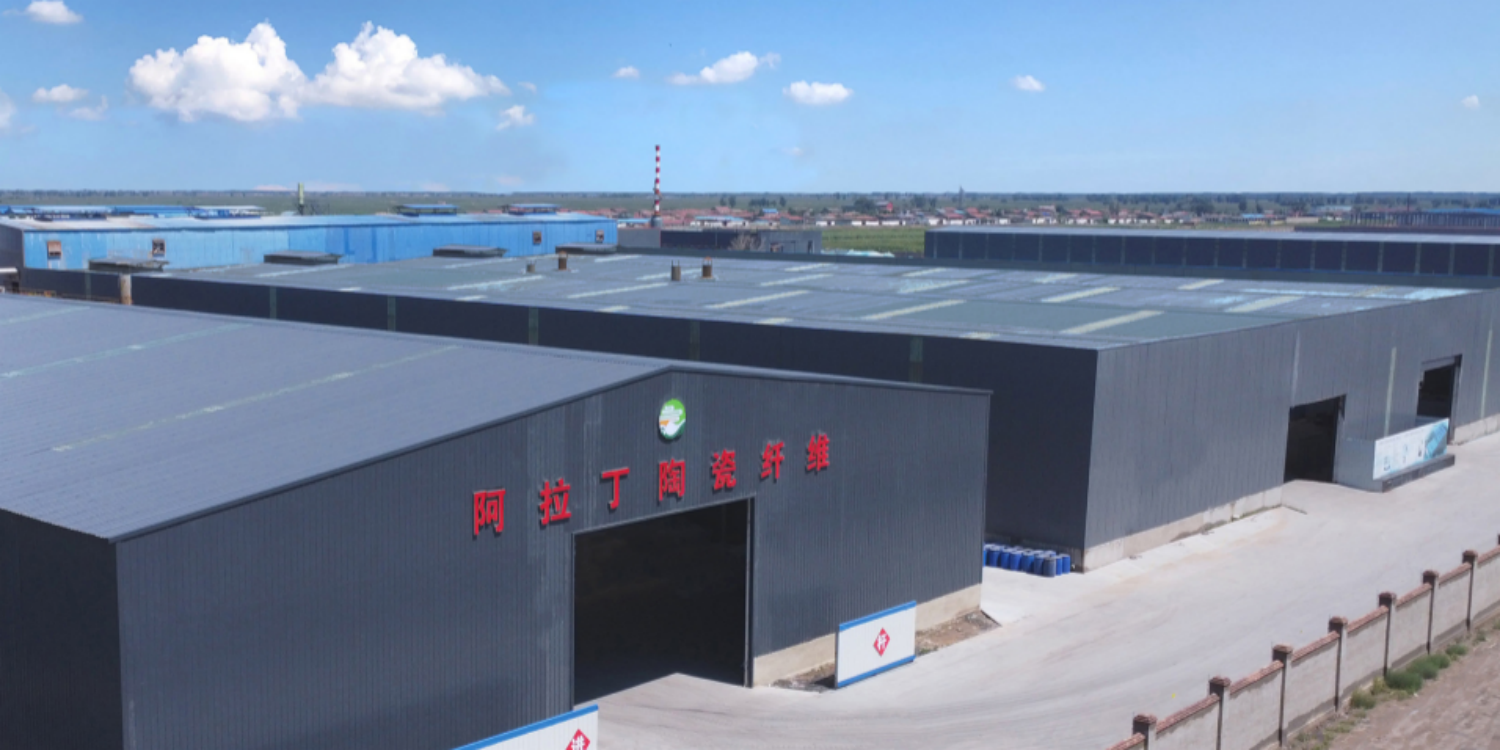
Aladdin has focused on ceramic fiber technology for over 40 years, offering a full range of modules including Type 1500, zirconia-containing and standard grades together with matching accessory materials. If you are planning new construction or renovation projects for carbon baking furnaces, please contact Jiangsu Aladdin High Temperature Materials Co., Ltd. Tel: 400-085-8836 Email: aladdin@aldfiber.com Our technical team will provide customized material selection solutions based on your furnace type and temperature requirements.
Aladdin High Temperature Materials Co., Ltd. has developed for more than 40 years as a professional ceramic fiber manufacturer integrating production, R&D and engineering development. We operate four major production bases across China in Hebei, Shandong, Shanxi and Jiangsu, with more than 30 production lines and an annual output exceeding 200,000 tons.
All Aladdin ceramic fiber products come with corresponding test reports and comply with Chinese national standards. If you are interested in our products, you may send us a private message or reply with the word “Purchase” to obtain Aladdin’s contact information.
LiveChatX
 Send Email
 WhatsApp