
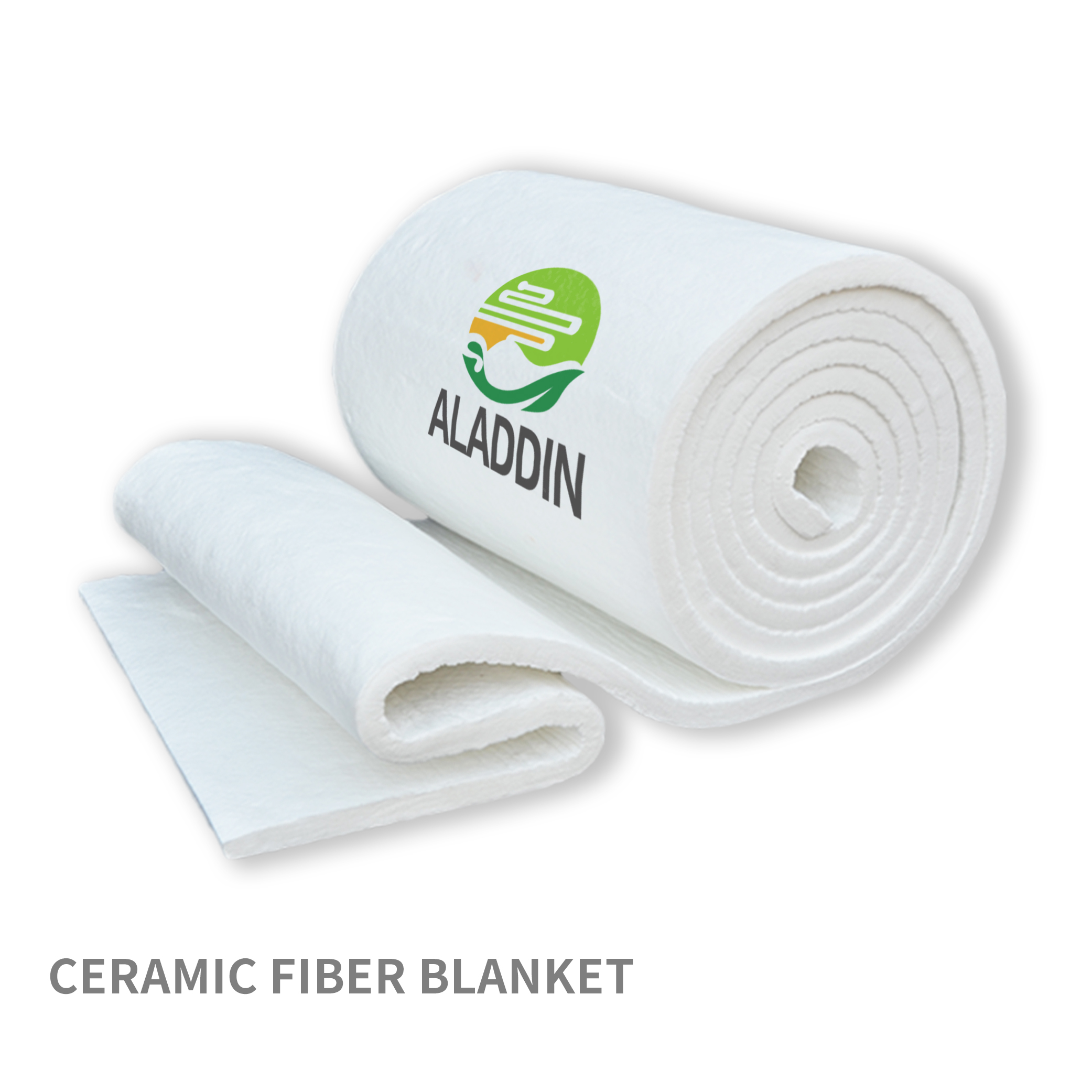
In the ceramic industry, kilns are well-known as major energy consumers. Traditional linings feature heavy weight, high heat storage and slow temperature rise; a large amount of energy is wasted during start-up and shutdown cycles. With the characteristics of light weight, low heat capacity and low thermal conductivity, ceramic fiber has become the mainstream material for modern ceramic kiln linings.
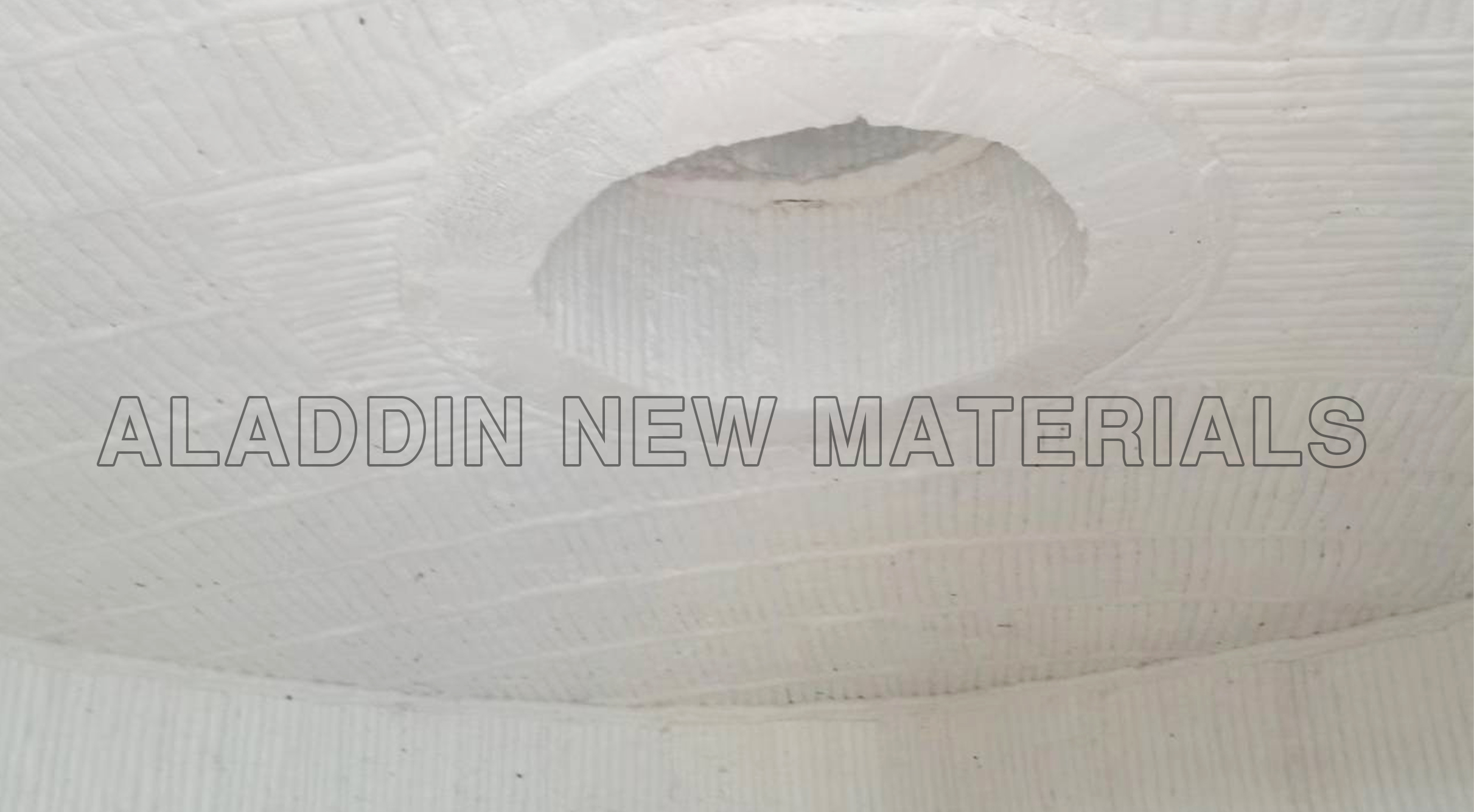
Light Weight: The bulk density of ceramic fiber ranges only from 96 to 128 kg/m³. It is over 75% lighter than light-weight insulating brick linings and 90%–95% lighter than light castable linings. The adoption of fiber linings can greatly reduce the load on the kiln steel structure and extend the service life of the kiln body.
Low Heat Capacity: The heat capacity of ceramic fiber is around 1/10 of that of light-weight refractory linings and light castable linings. Less heat will be absorbed by the kiln during cyclic operation, leading to faster temperature rise. The energy-saving effect is particularly remarkable for batch kilns requiring frequent start and stop.
Low Thermal Conductivity: The thermal conductivity of ceramic fiber linings is less than 0.2 W/(m·K) at 600℃ and below 0.28 W/(m·K) at 1000℃, approximately 1/8 of that of light clay bricks, delivering outstanding thermal insulation performance.
Easy Installation: No expansion joints or preheating/drying of the lining are required during construction. The kiln can be put into service right after lining installation. Compared with traditional brickwork which requires days of oven drying, ceramic fiber linings greatly shorten the commissioning cycle.
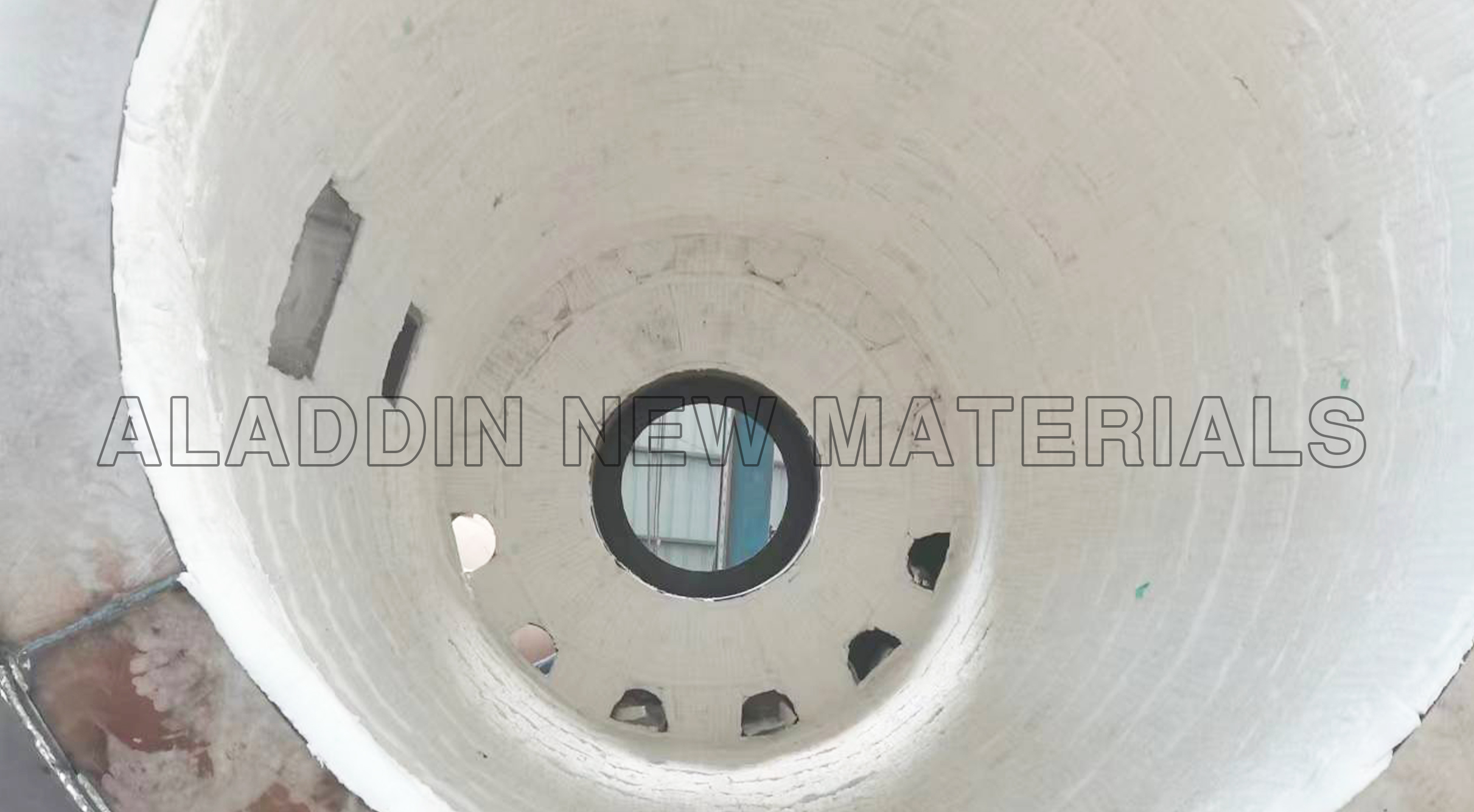
Tunnel Kilns: Ceramic fiber blankets and modules are widely used for thermal insulation of tunnel kiln walls and crowns. Insulation units made of ceramic fiber are assembled for kiln walls and crowns, featuring excellent heat preservation, strong thermal shock resistance and good temperature controllability. Ceramic fiber modules are applied for flat crown renovation, replacing conventional arched crowns with fast installation and superior sealing performance.
Shuttle Kilns: Ceramic fiber modules are the ideal option for shuttle kiln linings. The elastic expansion of modules can compensate for shell deformation, ensuring gap-free linings and effectively reducing heat leakage.
Kiln Cars: Ceramic fiber boards and felts are used for lightweight kiln car structures. Ceramic fiber boards serve as hot-face linings for kiln cars. With high density and good mechanical strength, they can bear certain mechanical loads while maintaining low heat storage.
Fire Barriers & Zoning: Ceramic fiber boards act as fire barriers and temperature separation layers for different temperature zones inside kilns. Featuring high temperature resistance and low thermal conductivity, ceramic fiber boards withstand high temperatures and block heat transfer efficiently.
Expansion Joints & Sealing: Ceramic fiber felts are used for sealing kiln masonry expansion joints, furnace doors and top covers. Their flexibility and elasticity accommodate thermal expansion and contraction of kilns to maintain long-term sealing performance.
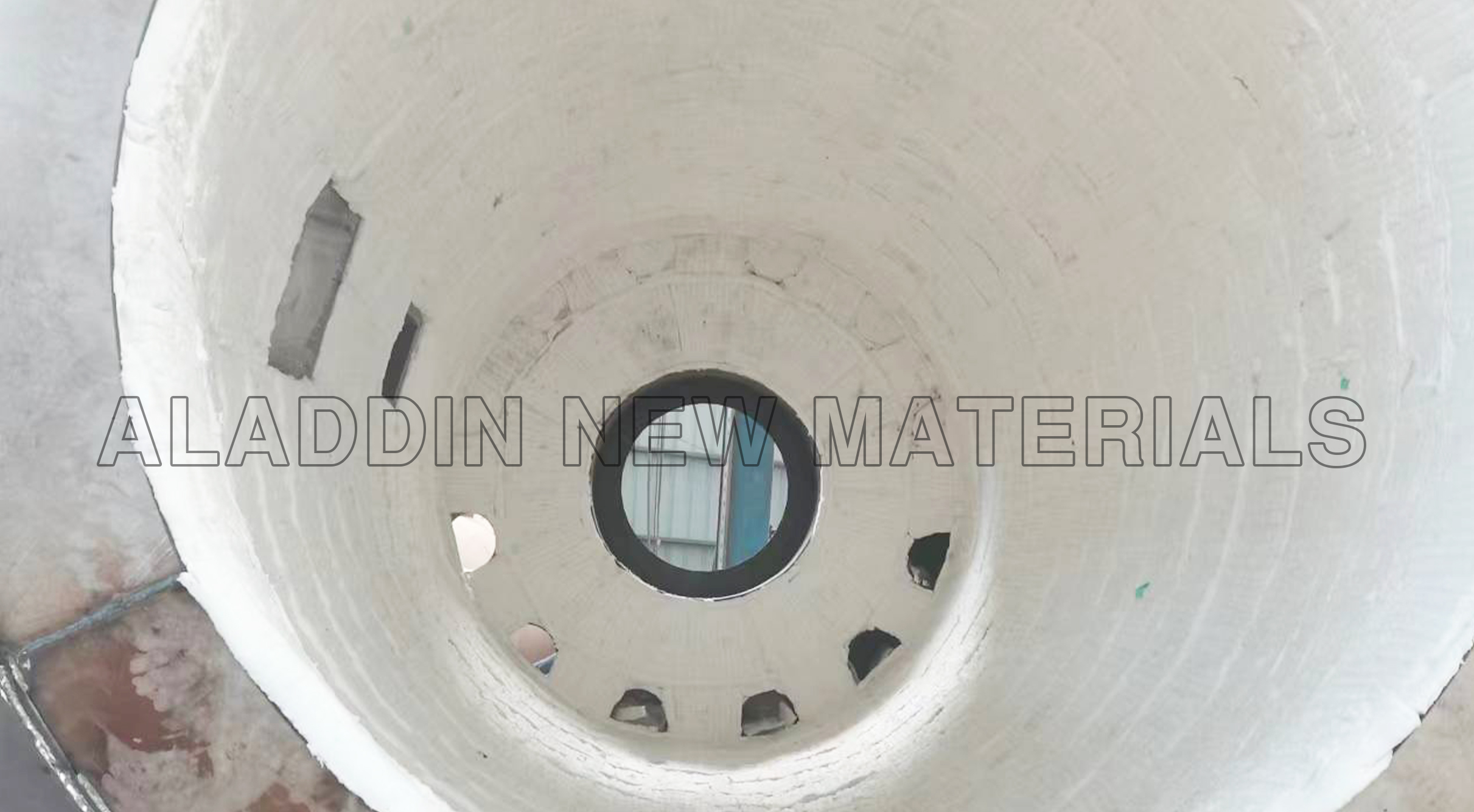
Kiln Wall & Crown Insulation: For tunnel kilns and shuttle kilns with working temperature around 1000℃, standard ceramic fiber modules (bulk density: 200–220 kg/m³) together with back-up blankets are recommended, with total thickness of 200–250 mm.
Hot-Face Lining for Kiln Cars: For positions bearing mechanical loads, ceramic fiber boards (bulk density: 280–350 kg/m³) are selected to balance mechanical strength and low heat storage.
Fire Barriers & Zoning: Ceramic fiber fire barrier boards are used for temperature zoning, and the temperature grade is selected according to actual working conditions.
Expansion Joints & Sealing: Ceramic fiber felts or blankets are adopted. Their flexibility accommodates thermal displacement.
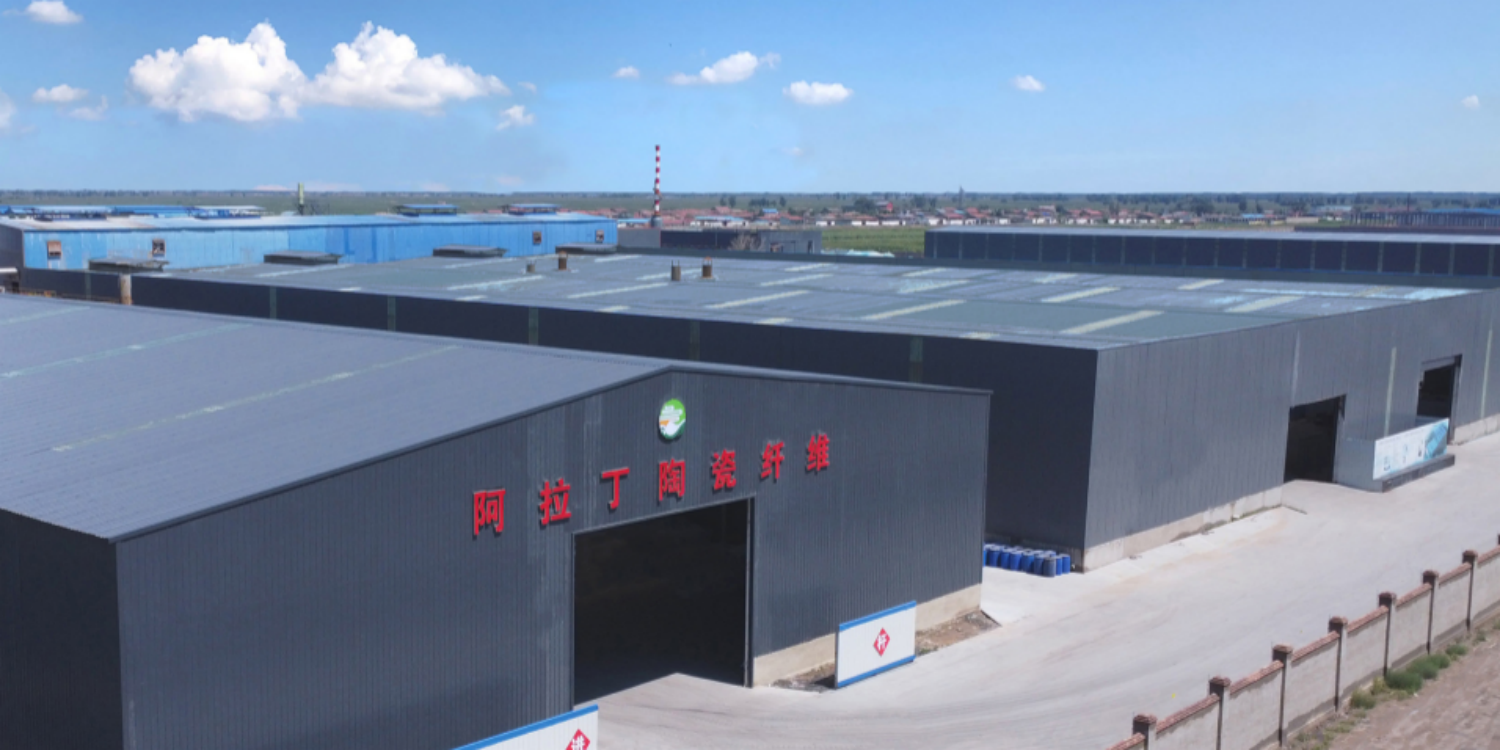
Shanxi Aladdin High Temperature Materials Co., Ltd. has specialized in ceramic fiber for over 40 years. Our full product portfolio includes blankets, boards, modules, and custom-shaped parts. We provide precise material selection and solution design tailored to working conditions of different sections of ceramic kilns. If you are planning new kiln construction or energy-saving renovation projects, please call +86-400-085-8836 or email aladdin@aldfiber.com. Our technical team will deliver customized solutions according to your kiln type and operating conditions.
LiveChatX
 Send Email
 WhatsApp