
The mesh belt rapid sintering furnace is a key piece of equipment in the production of solar cells. Its performance directly affects the conversion efficiency, yield rate, and overall production efficiency of solar cell manufacturing.
A typical solar cell sintering profile lasts approximately 120 seconds and consists of four stages: drying, pre-firing, sintering, and cooling. During the sintering stage, the temperature rises rapidly from approximately 500°C to around 850°C and then drops sharply to below 500°C. This process takes about 10 seconds, while the peak temperature of 850°C is maintained for only 2–3 seconds.
Such an extremely steep heating and cooling curve requires specialized design in heating elements, furnace structure, atmosphere distribution, control systems, conveying mechanisms, and cooling methods.
The sintering process of solar cells creates temperature differences of more than 300°C between adjacent temperature zones. Although radiant heating offers excellent directional heating characteristics, part of the thermal energy is lost through convection and air cooling within the furnace atmosphere between the heating lamps and the substrates. In addition, heat from high-temperature zones tends to diffuse into neighboring low-temperature zones. This thermal diffusion raises the actual temperature of adjacent zones and hinders the formation of the required temperature peak. Therefore, minimizing heat loss through air and reducing thermal diffusion between adjacent zones are critical considerations in furnace design.
Selection of Refractory Materials for Solar Cell Mesh Belt Sintering Furnaces
For radiant heating systems, the selection of refractory materials must consider not only temperature resistance and insulation performance but also radiative efficiency.
Ceramic fiber materials feature extremely low thermal conductivity, low heat capacity, and higher emissivity than conventional refractory materials. In furnaces where radiant heating is the primary heating method, constructing the furnace chamber with ceramic fiber boards enhances radiant heat transfer efficiency while reducing energy consumption.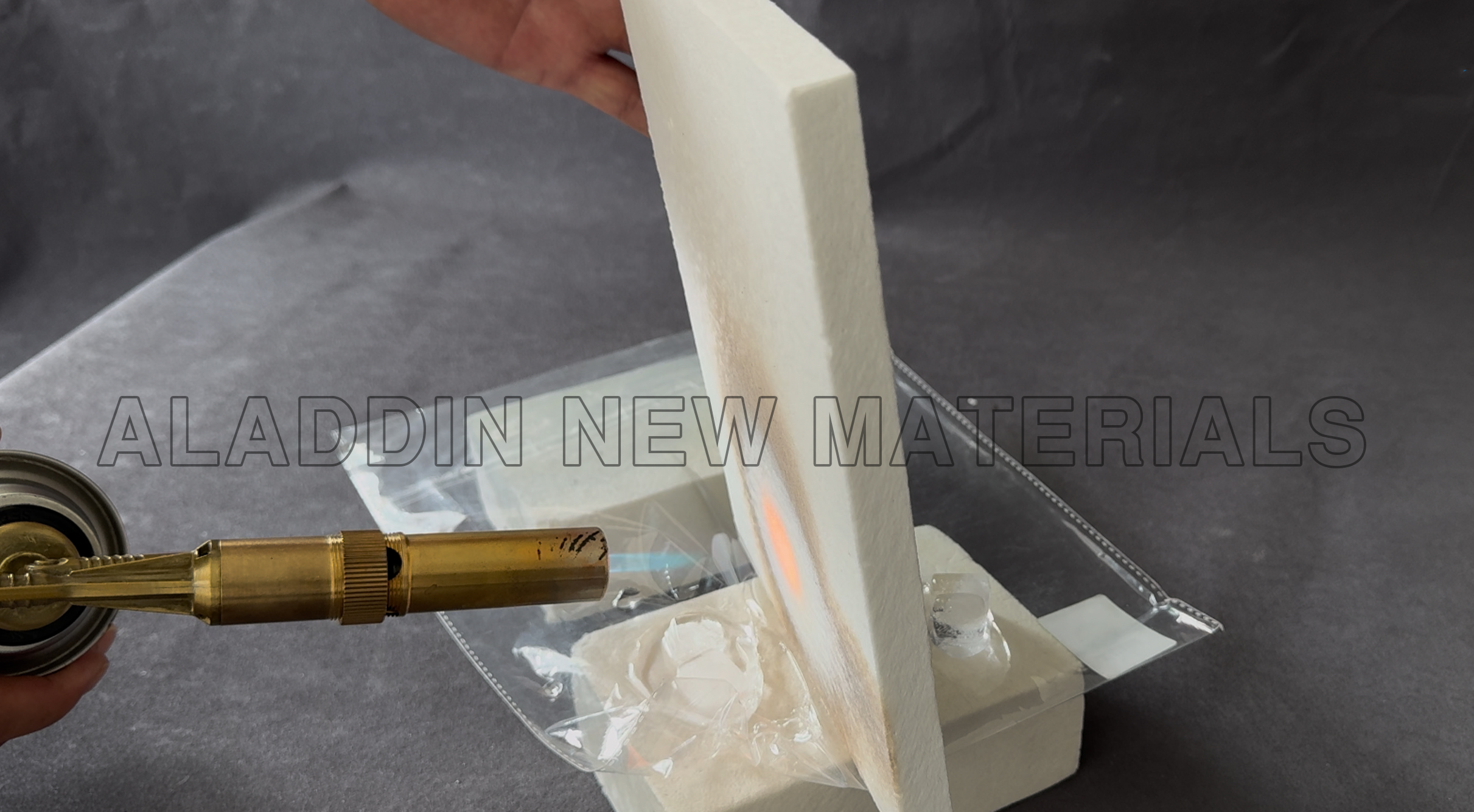
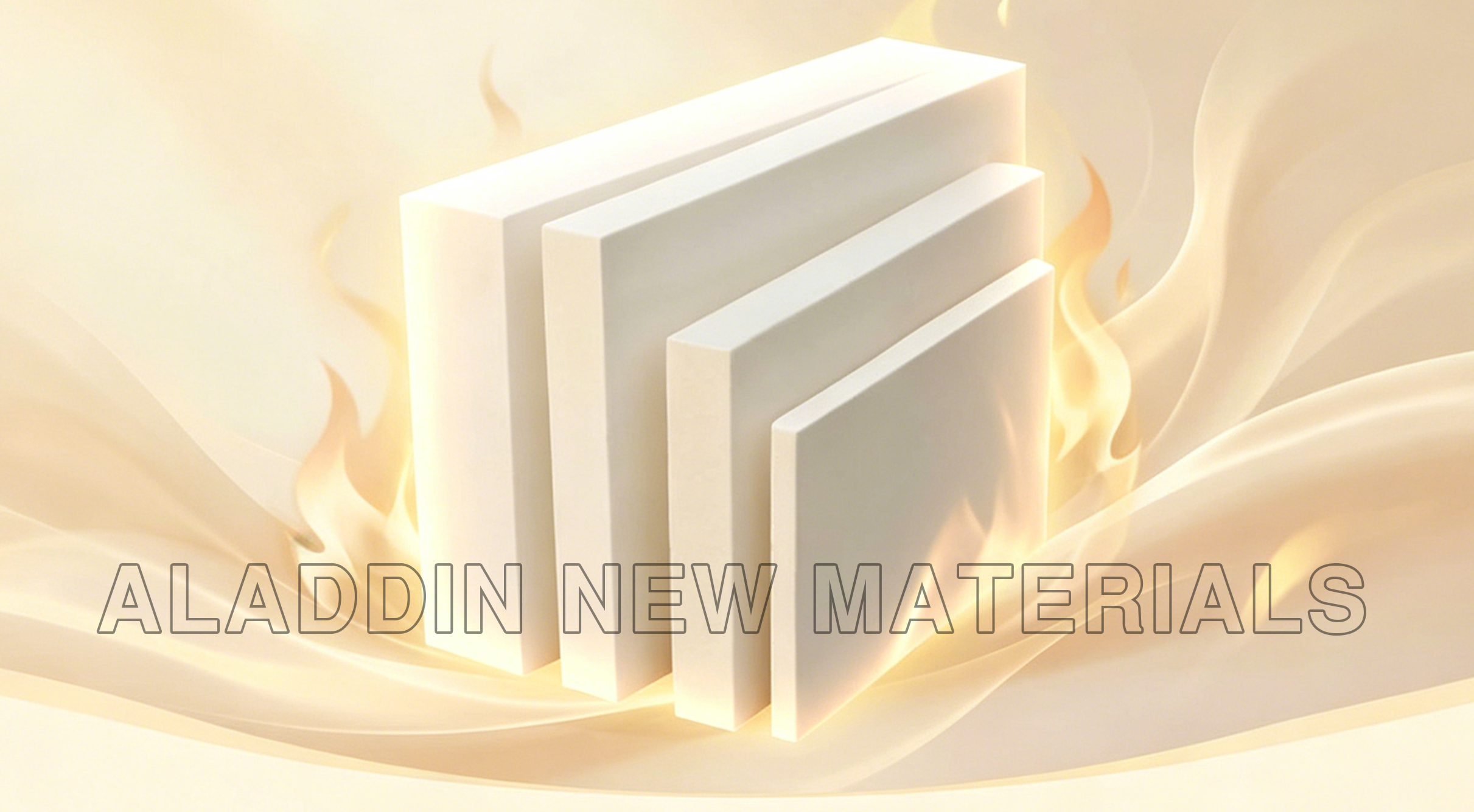
Solar cell sintering furnaces can utilize ceramic fiber inorganic boards as insulation materials. These boards offer excellent thermal insulation performance, lightweight construction, low heat storage capacity, and outstanding resistance to rapid heating and cooling cycles, making them an ideal solution for solar silicon cell sintering applications.
In addition, ceramic fiber inorganic boards feature smooth surfaces and precise dimensions, facilitating installation and ensuring consistent furnace performance.
Refractory ceramic fiber inorganic boards can withstand extremely high temperatures. Even when installed in close proximity to heating elements, they do not experience overheating, thermal stress cracking, or structural failure.
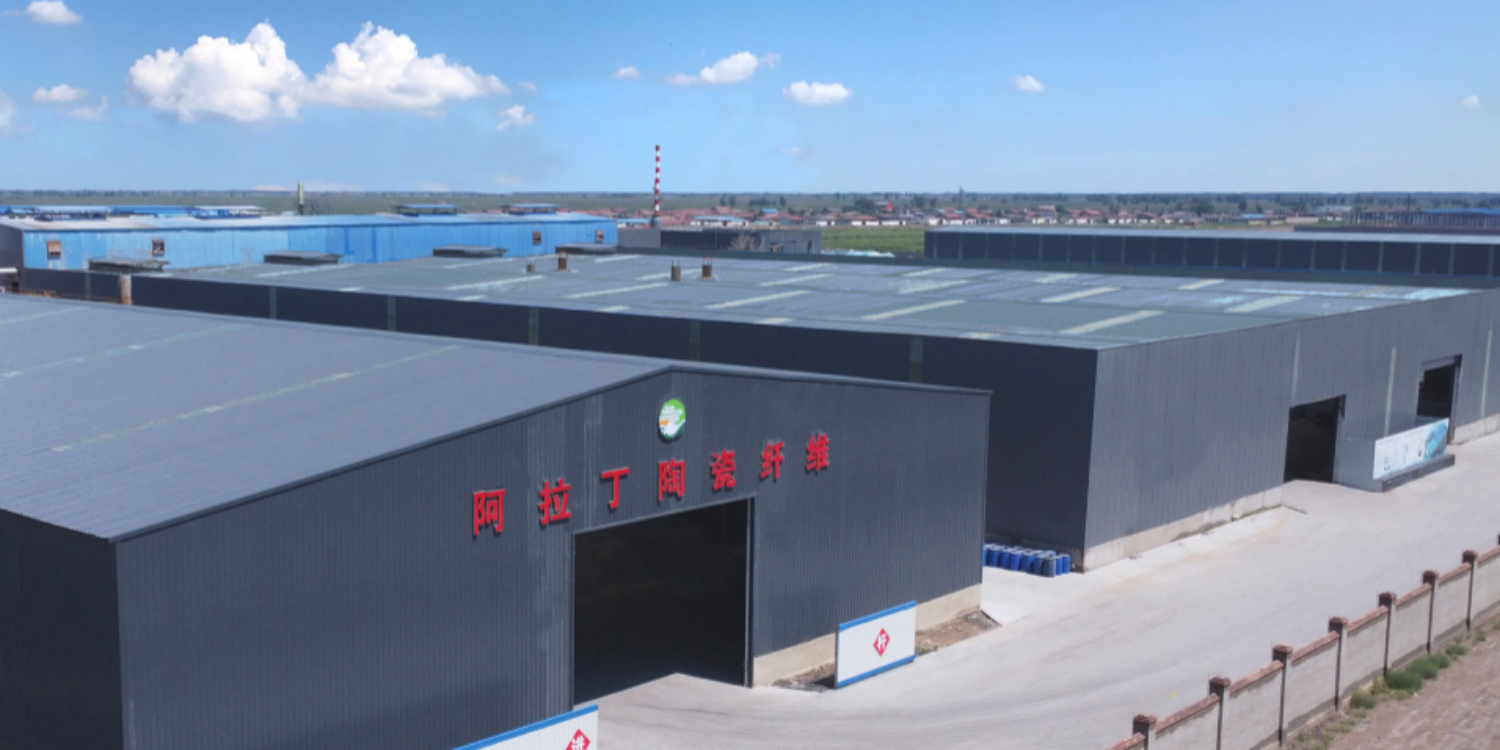
When ALADDIN ceramic fiber inorganic boards are used as insulation materials in solar cell mesh belt sintering furnaces, they provide excellent thermal shock resistance without cracking and deliver a long service life.
As furnace lining materials, they can:
Reduce electrical energy consumption
Improve product quality and production efficiency
Extend the service life of furnace linings and heating elements
Enhance the working environment
Generate significant economic benefits for manufacturers
By combining superior insulation performance with excellent durability, ALADDIN ceramic fiber boards provide an efficient and reliable thermal management solution for solar cell production furnaces.
LiveChatX
 Send Email
 WhatsApp