
Modular Rigid Lining Enables Long-Term Stable and Efficient Kiln Operation
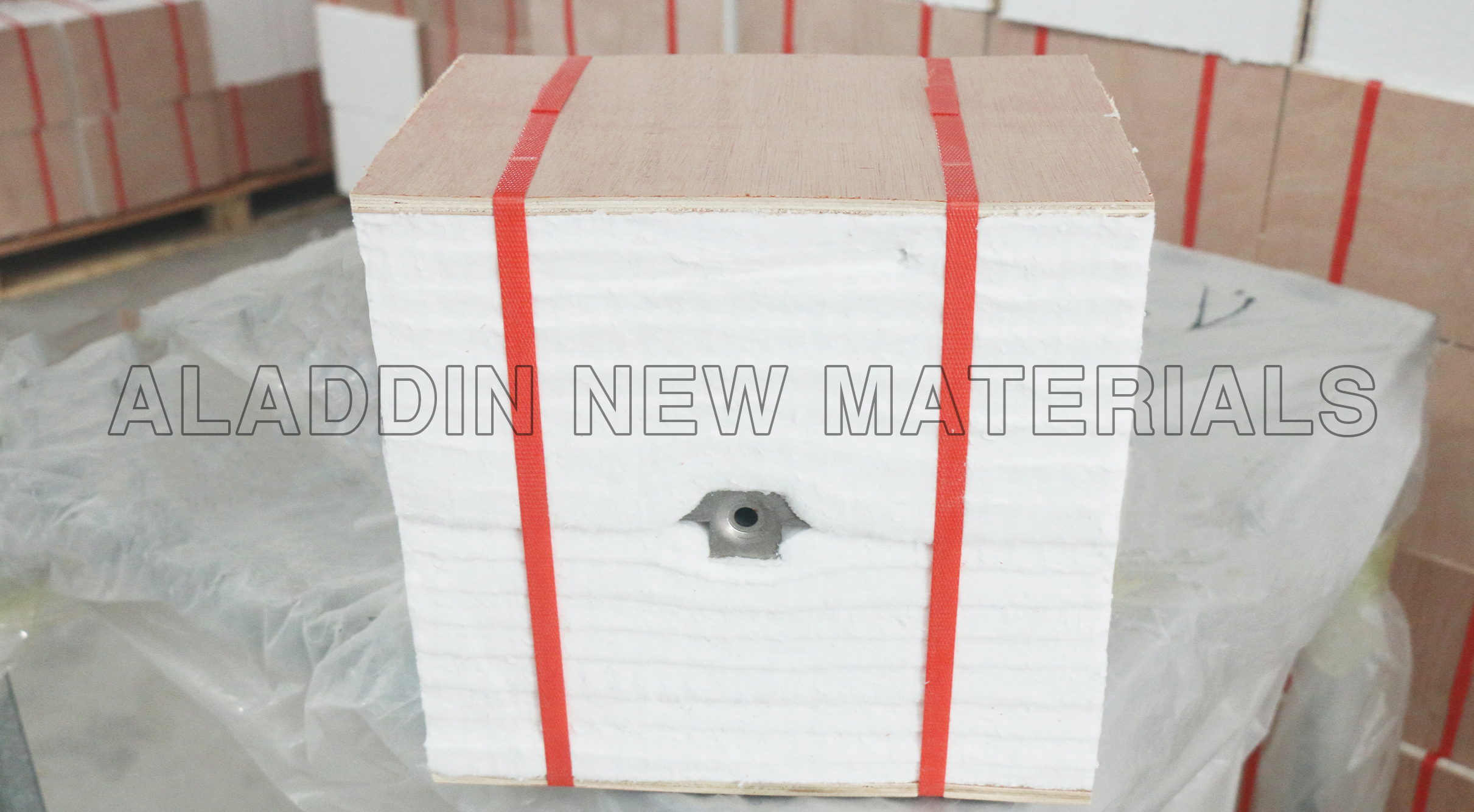
In the heart of kilns in industries such as metallurgy, ceramics, and chemicals, the performance of the furnace lining material directly determines production efficiency, energy consumption, and safety. Traditional fiber materials often face challenges such as shrinkage deformation, insulation attenuation, and structural pulverization when subjected to temperatures above 1300℃ for extended periods, leading to furnace instability, increased heat consumption, and frequent kiln shutdowns for maintenance. The Kirin 1515 insulation block was developed to address these pain points. It is not a simple replacement of fiber blankets, but a comprehensive innovation from material form to application concept—providing a precisely sized, consistently performing, and efficiently installed "steel wall" for industrial high-temperature equipment through a prefabricated rigid modular design.
I. Form Revolution: The Fundamental Advantages of Modular Rigid Structure
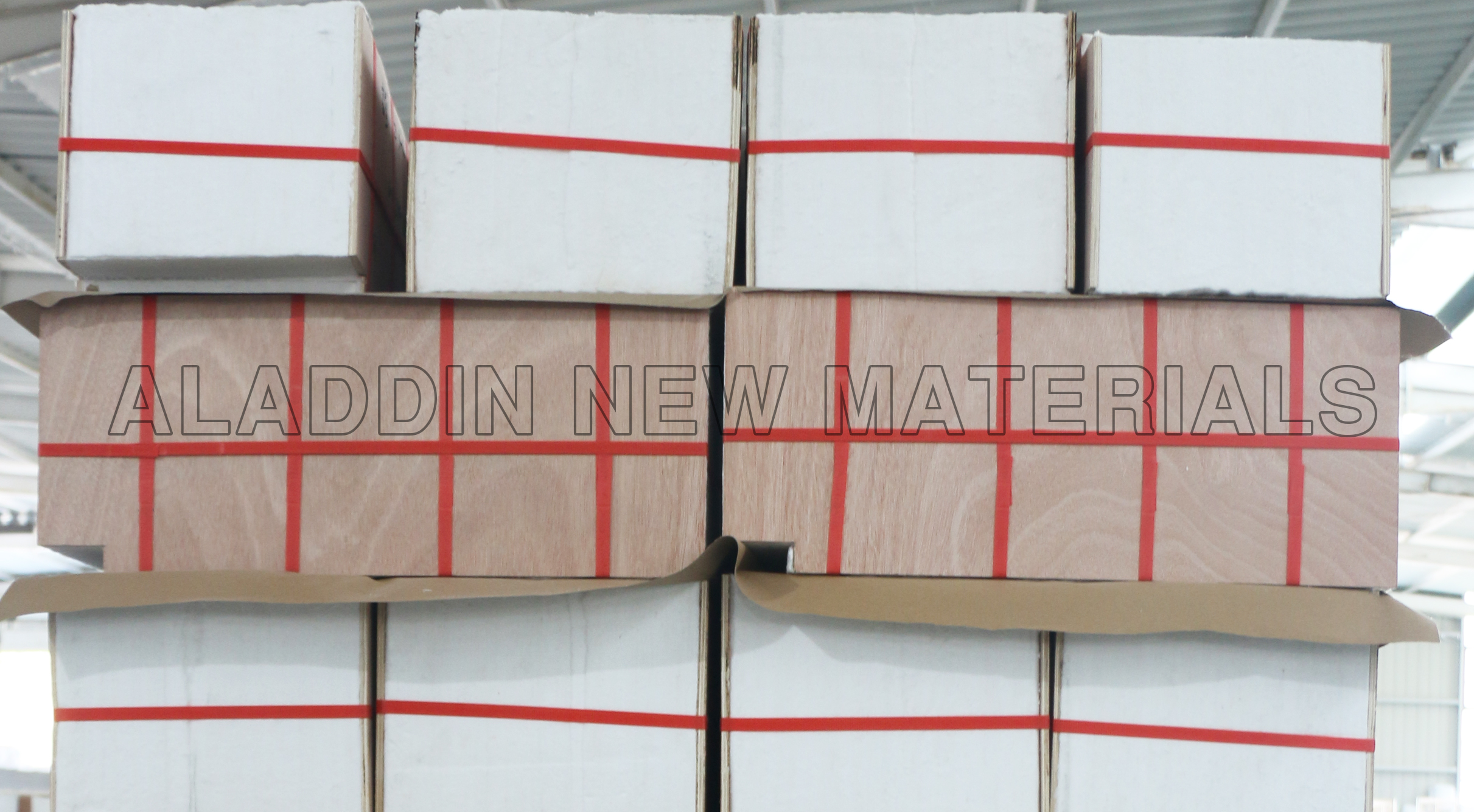
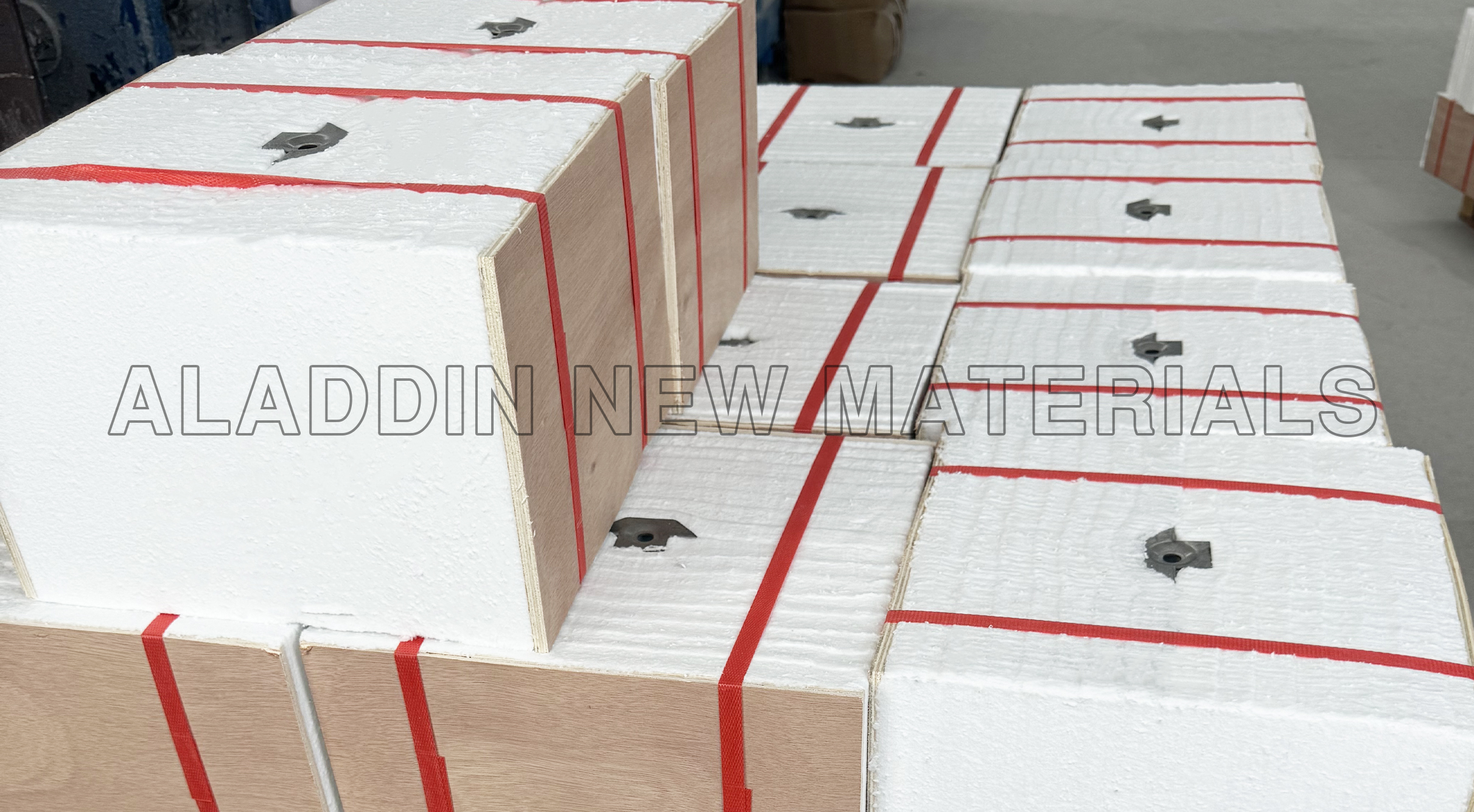
Unlike the "laying" logic of flexible fiber blankets, the core of the Kirin 1515 insulation block lies in its prefabricated modular rigid block design. This difference in form translates into a series of key advantages in practical industrial applications that fiber blankets cannot match: Impeccable structural integrity: The insulation blocks are tightly assembled using interlocking or mortise-and-tenon designs, forming a robust and seamless integral furnace lining. This fundamentally eliminates the thermal short-circuit problems that can occur with fiber blankets due to interlayer separation and gap widening under high temperatures and airflow erosion caused by the needle-punched structure, ensuring a permanently dense thermal barrier. Superior durability against harsh environments: In furnace environments with high-speed gas flow, dust, or slight mechanical friction (such as kiln car passages and around nozzles), flexible blanket surfaces are easily corroded. The rigid structure of the insulation blocks, however, possesses stronger resistance to erosion and wear, significantly extending its service life under harsh conditions. Precise pre-design and controllable construction: Each insulation block is a precisely sized prefabricated component, resulting in a furnace lining with a significantly smoother inner wall and dimensional tolerances than hand-laid fiber blankets. This not only ensures the accurate realization of the designed thermal curves but also makes the construction quality of large kilns more uniform and controllable.
II. Core Performance: Defining Reliability with Extreme Data
The superiority of the Kirin 1515 insulation block is rooted in a series of rigorously verified key parameters. Its classification temperature reaches up to 1500℃, and its long-term safe operating temperature remains stably maintained at ≤1400℃, easily handling the most demanding operating conditions. Regarding the crucial high-temperature volumetric stability, after continuous heating at 1400℃ for 24 hours, its linear shrinkage rate is strictly controlled to <1.0%, far exceeding the industry standard. This means that the furnace lining structure will hardly deform or crack during long-term use. Simultaneously, its thermal conductivity can be as low as ≤0.12 W/(m·K) at a hot surface temperature of 600℃, combined with a high-purity composition of ≥99% Al₂O₃+SiO₂+ZrO₂, achieving a balance between ultimate thermal insulation and excellent resistance to chemical corrosion. The optimized bulk density of 220±10 kg/m³ ensures sufficient mechanical strength while also considering ease of installation.
III. Core Application Scenarios: Injecting Certainty into Critical Equipment
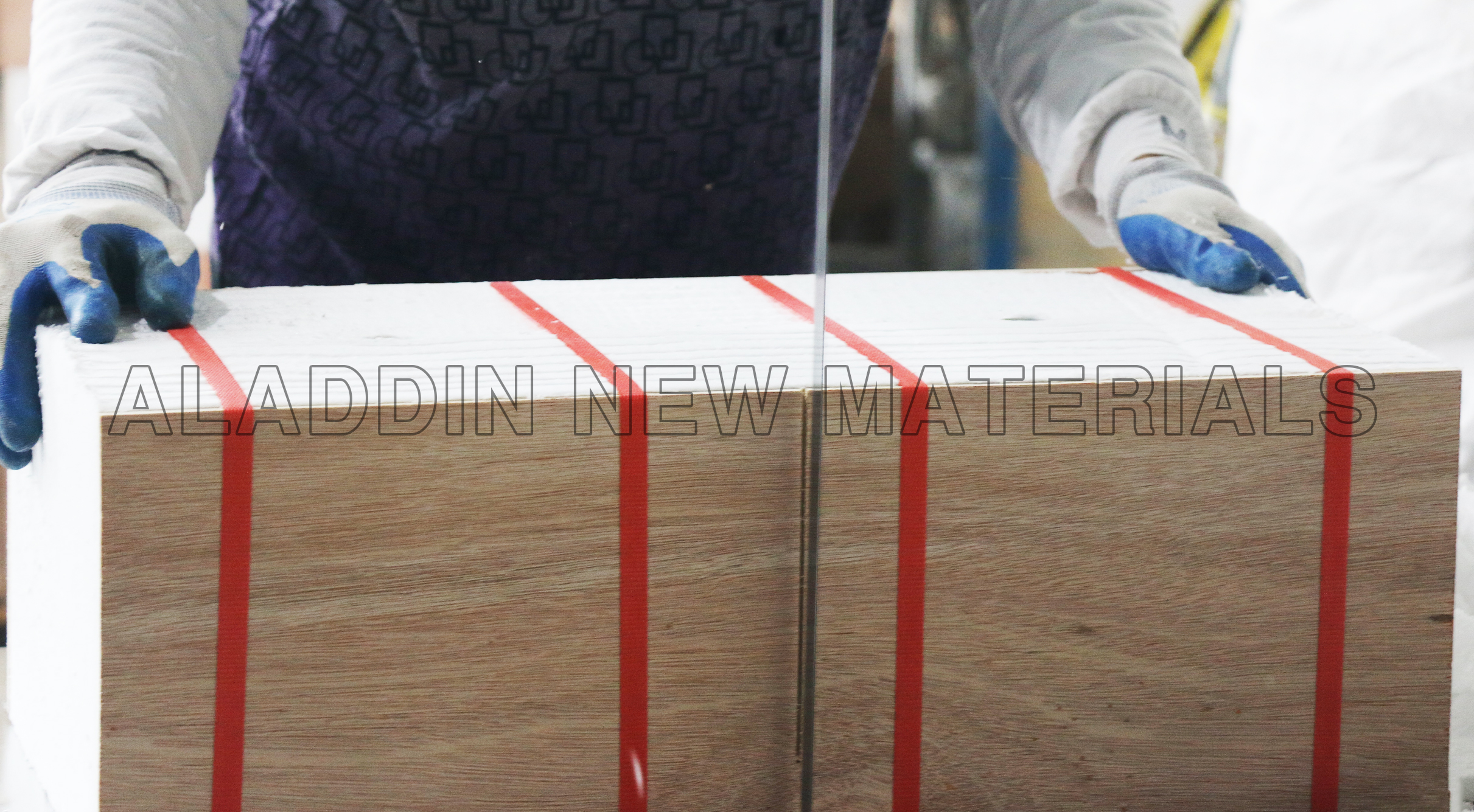
Kirin 1515 insulation blocks are particularly suitable for scenarios where long-term stability, reduced downtime, and consistent process performance are paramount: High-end ceramic sintering kilns (such as shuttle kilns and high-temperature sections of roller kilns): Ensuring minimal temperature differences within the kiln, consistent product quality, and withstanding thousands of rapid heating and cooling cycles. Precision metal heat treatment furnaces: Providing a uniform and stable thermal field, the cornerstone for achieving precise material properties. Chemical conversion furnaces and other environments with stringent sealing requirements: Its rigid structure is the core defense line ensuring absolute airtightness and preventing media leakage.
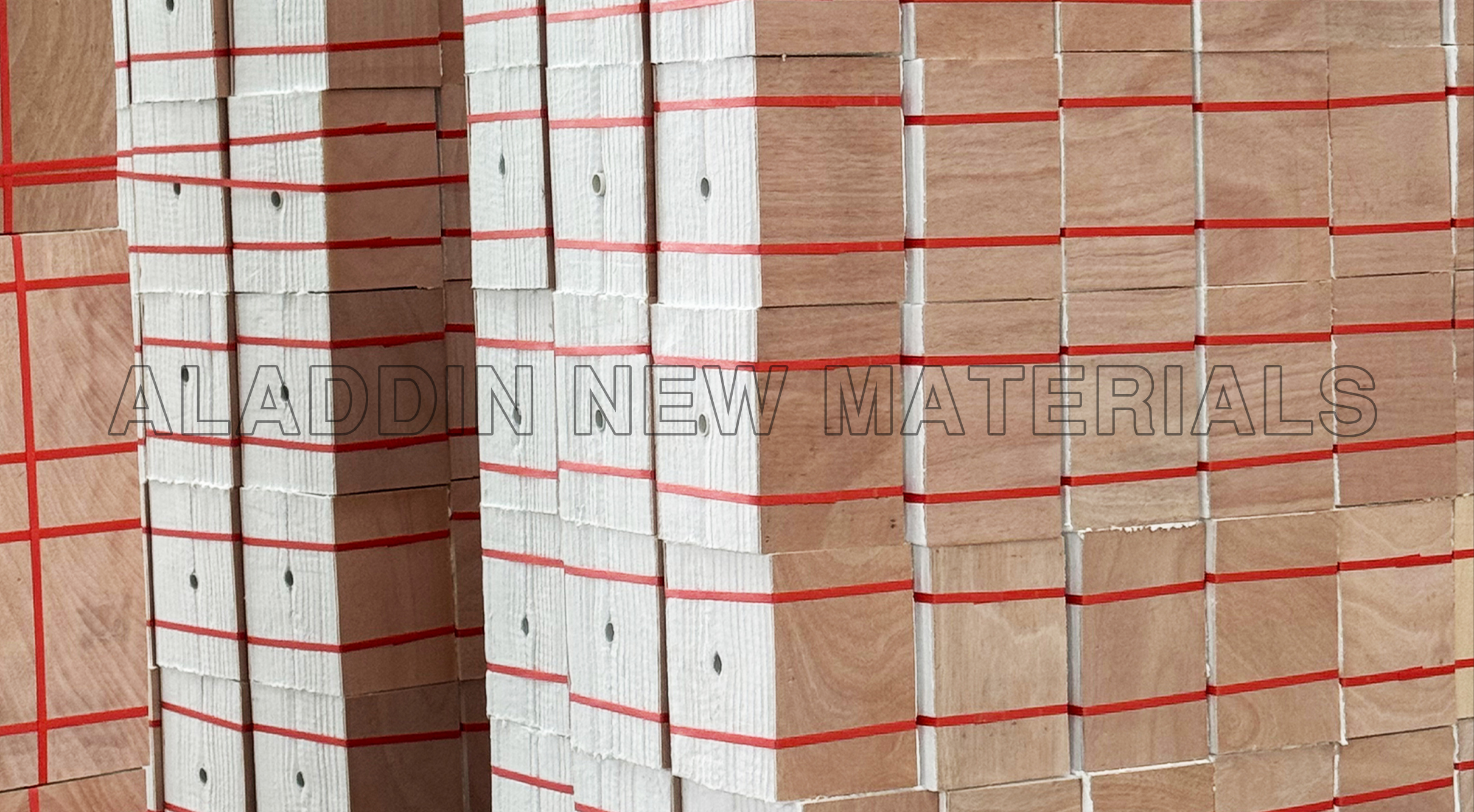
Choosing Kirin 1515 insulation blocks, with their defined geometry, long-term performance, and maintenance cycles, replaces the performance degradation and structural variations that flexible materials may experience over time. At the forefront of industrial high temperatures (1400℃), it is no longer merely a thermal insulation material, but a reliable and predictable rigid functional component in the core structure of equipment, providing high-end manufacturing with a long-term, certain contract regarding efficiency and safety.
LiveChatX
 Send Email
 WhatsApp