
--------Polycrystalline Alumina Fiber Paper--------
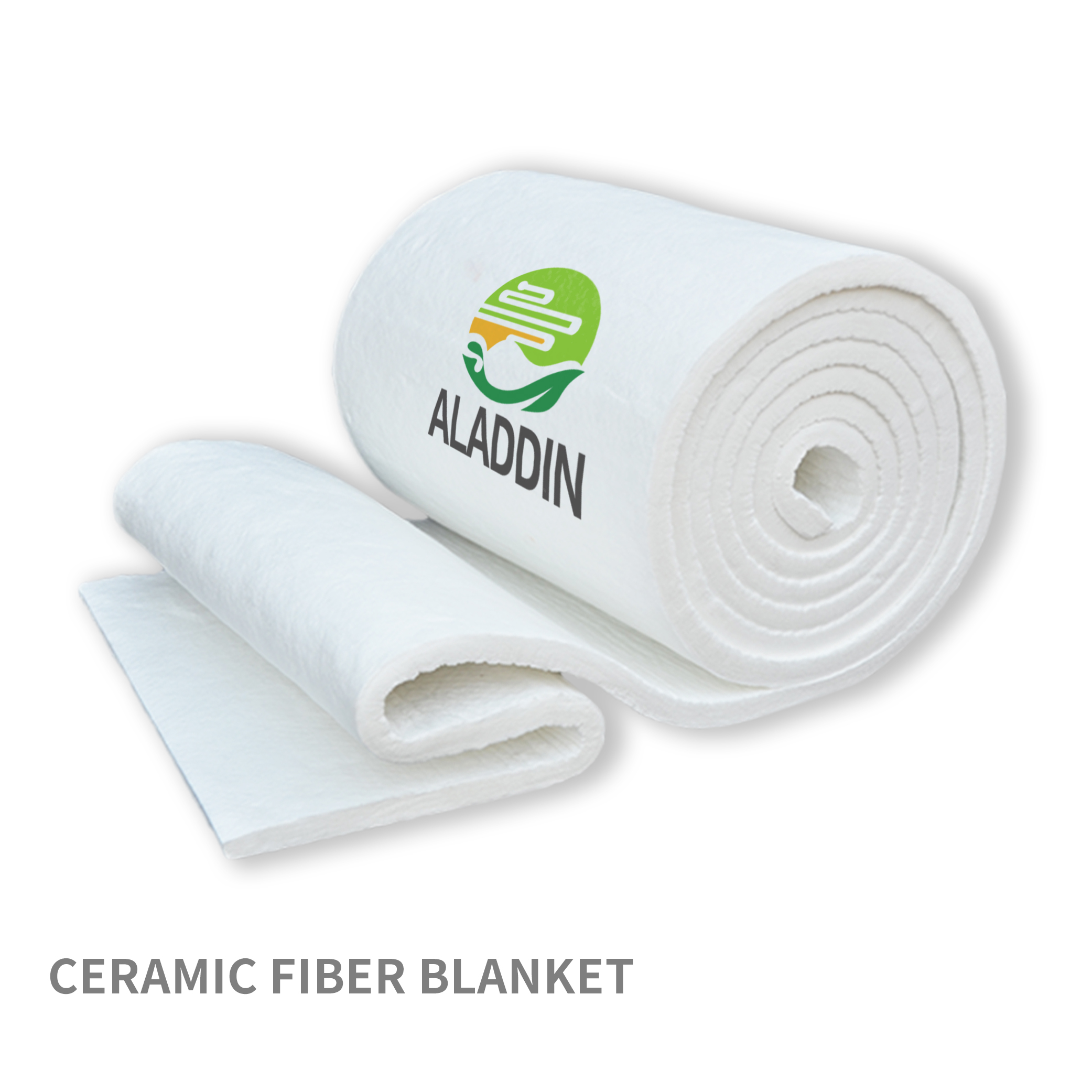
When industrial temperatures break through the 1400℃ mark, traditional materials have reached their limits. At this point, a sheet of paper less than 1 mm thick is becoming the key to breaking the deadlock—1600 polycrystalline alumina fiber paper is redefining "thin as paper, indestructible."
I. More Than Just "Paper": A "Technological Film" Conquering Extreme Temperatures
This is not ordinary paper, but a high-performance flexible thermal insulation material made of high-purity alumina: Temperature Revolutionizer: It can withstand 1400℃ for extended periods, with even higher short-term withstand capabilities, significantly expanding application boundaries. Ultra-Thin: The thickness is adjustable between 0.3-5 mm, with the 0.3 mm grade product showcasing the essence of technology, providing top-level protection with minimal space occupation. All-Round Performance: Combining ultra-low thermal conductivity, excellent insulation, high chemical stability, low heat capacity, and excellent thermal shock resistance, with minimal performance degradation under extreme environments.
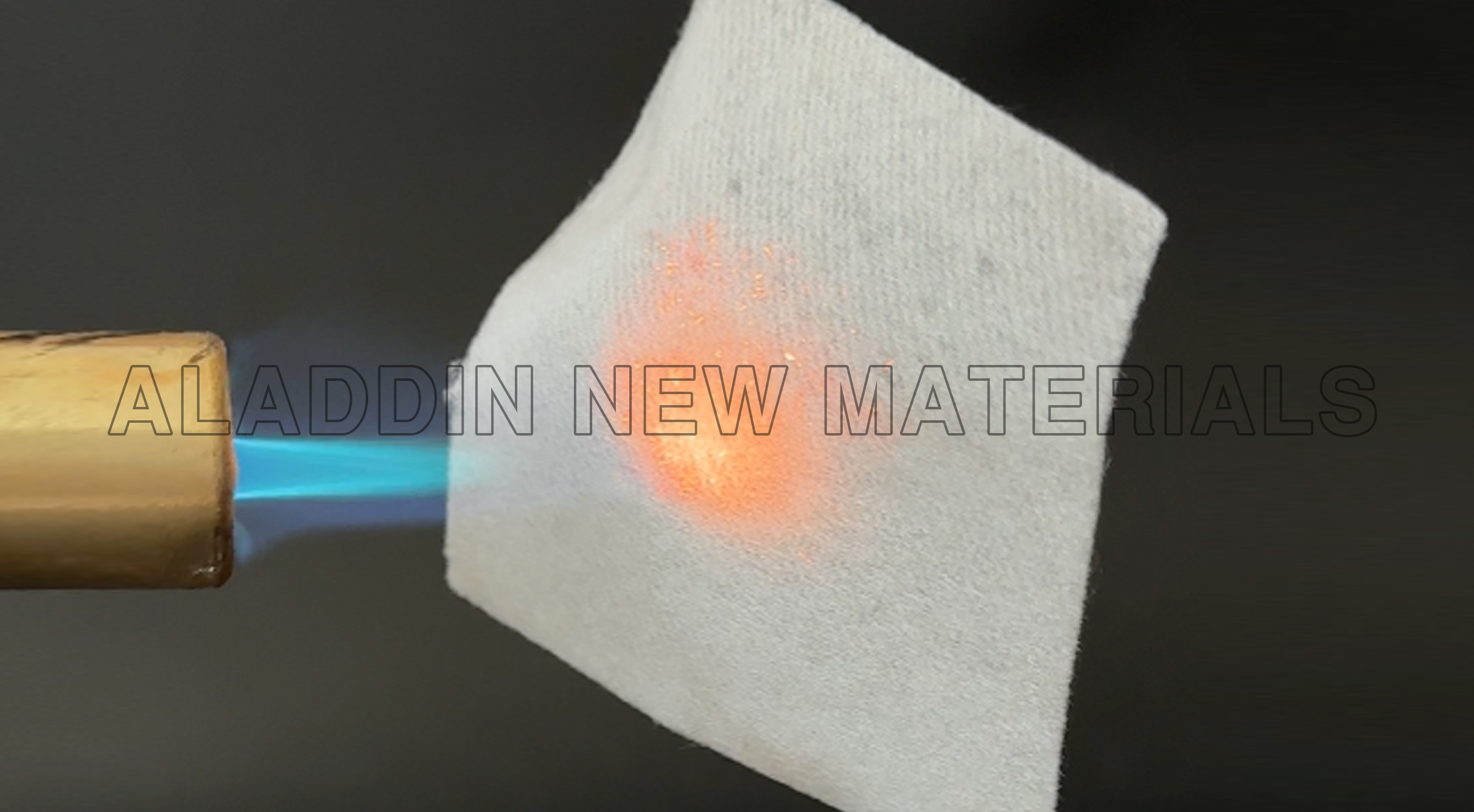
II. Core Secrets Revealed: The "Generational Leap" Brought by Polycrystalline Structure
Its superior performance stems from its unique microstructure. Unlike the "glassy" amorphous structure of ordinary ceramic fibers, it is composed of countless tiny α-alumina grains. A more stable framework: This crystalline structure exhibits almost no crystallization, creep, or shrinkage at high temperatures, fundamentally solving the industry pain point of material pulverization and brittleness after long-term high-temperature use. A purer composition: Alumina content ≥99%, with extremely few impurities, avoiding performance degradation caused by impurity reactions at high temperatures. Comparative results: In a harsh environment of 1400℃, ordinary ceramic fiber paper may have already suffered severe sintering failure, while polycrystalline alumina fiber paper still maintains flexibility and structural integrity, extending its service life several times over.
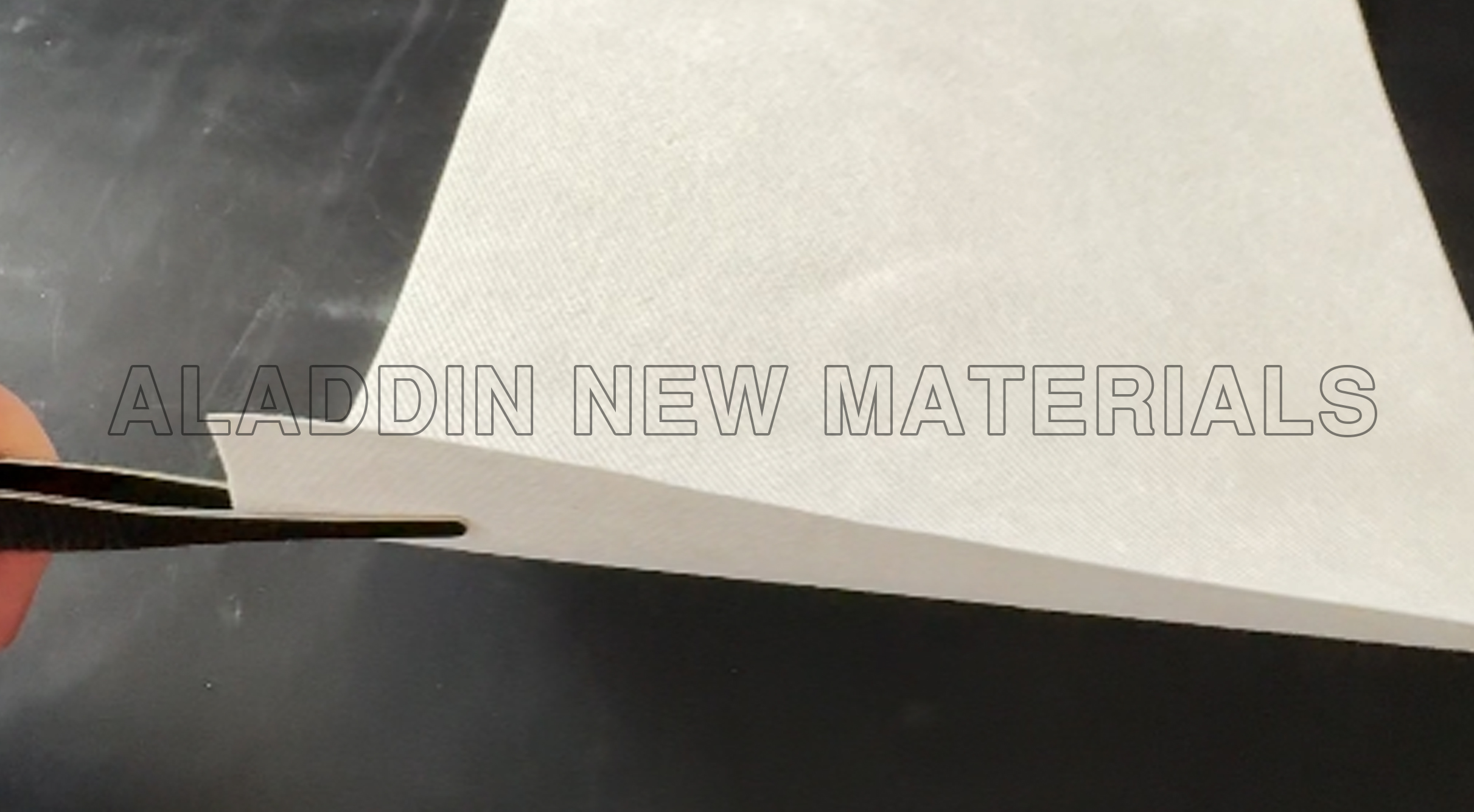
III. Peak Performance, Matching Top-Tier Applications
It precisely serves industries with extreme requirements for reliability and precision: 1. Semiconductor and photovoltaic manufacturing: In ultra-clean, high-temperature processes such as chip melting and packaging, and photovoltaic single-crystal furnaces, its zero-pollution and non-volatile characteristics are crucial as a key thermal insulation liner. 2. Aerospace and Cutting-Edge Scientific Research: Used for thermal insulation of rocket engines and thermal protection testing of hypersonic vehicles, serving as a reliable barrier against extreme thermal shock.
3. New Energy and High-End Manufacturing: Serves as a thermal insulation component for extreme safety testing of high-temperature fuel cells (SOFC) and lithium batteries, and as an ideal lining for ultra-high temperature vacuum sintering furnaces.
4. Safety and Emergency Response: Can be manufactured as the core thermal insulation layer for top-tier fireproof roller shutters and escape blankets.
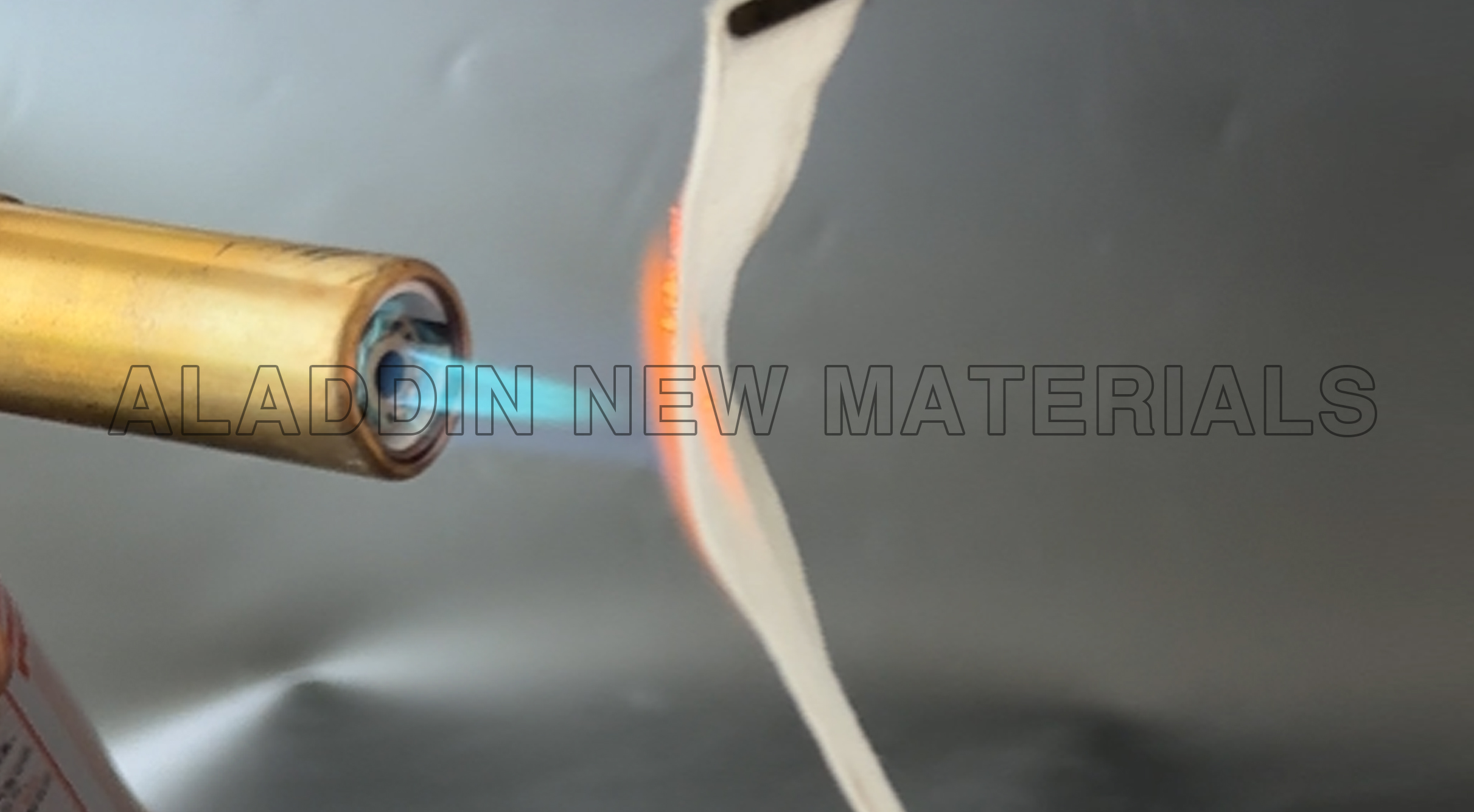
IV. How to Select for Cutting-Edge Equipment?
Faced with high costs and stringent requirements, accurate selection is key.
Clarify the temperature profile: Confirm whether it is for long-term use at 1400℃ or short-term exposure to higher peak temperatures. This directly impacts the lifespan estimate.
Consider form and processing: Choose standard roll materials or custom die-cut parts according to requirements; their excellent processability supports complex designs.
Evaluate comprehensive performance: In addition to temperature resistance, assess its thermal conductivity, tensile strength, and resistance to airflow erosion under operating conditions.
LiveChatX
 Send Email
 WhatsApp