
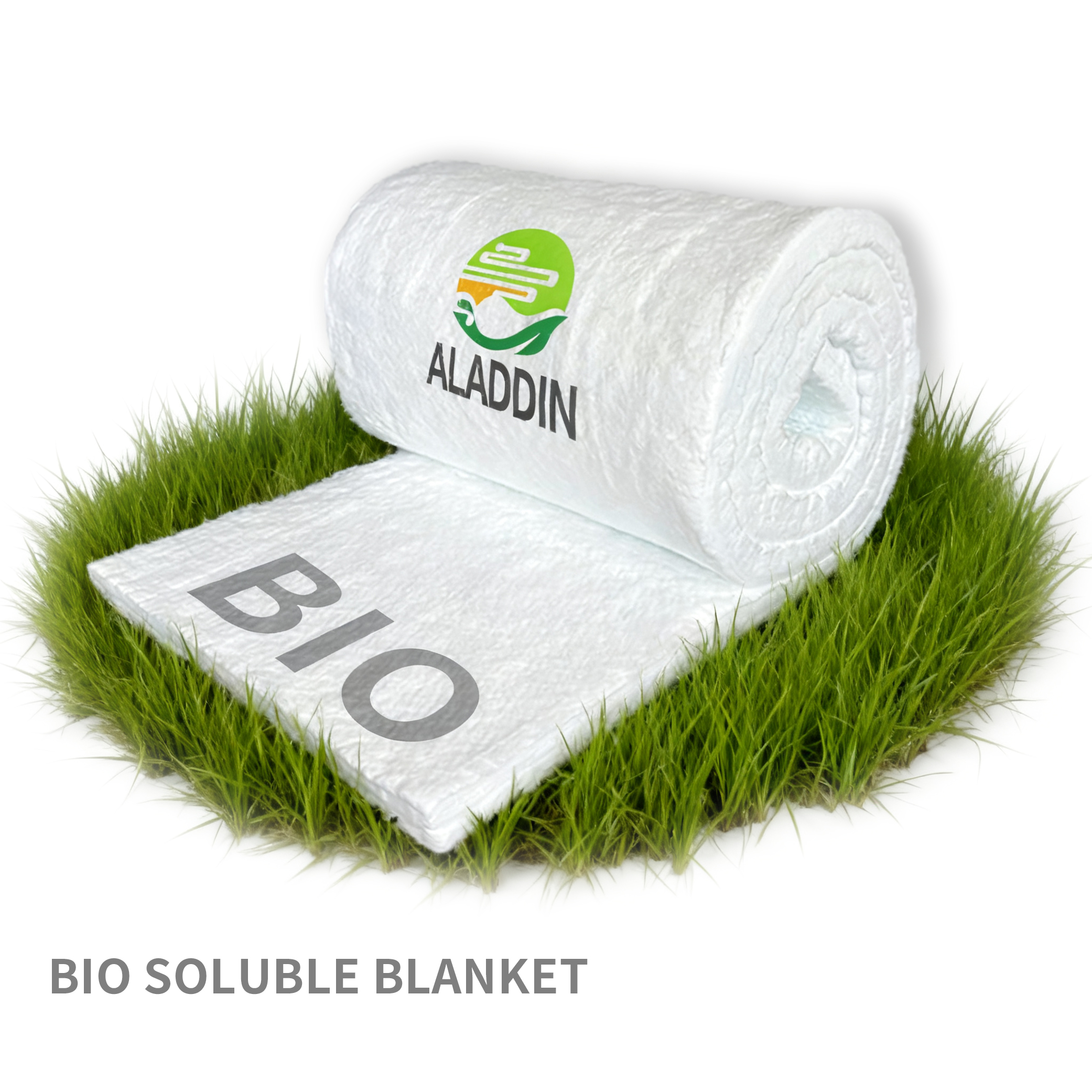
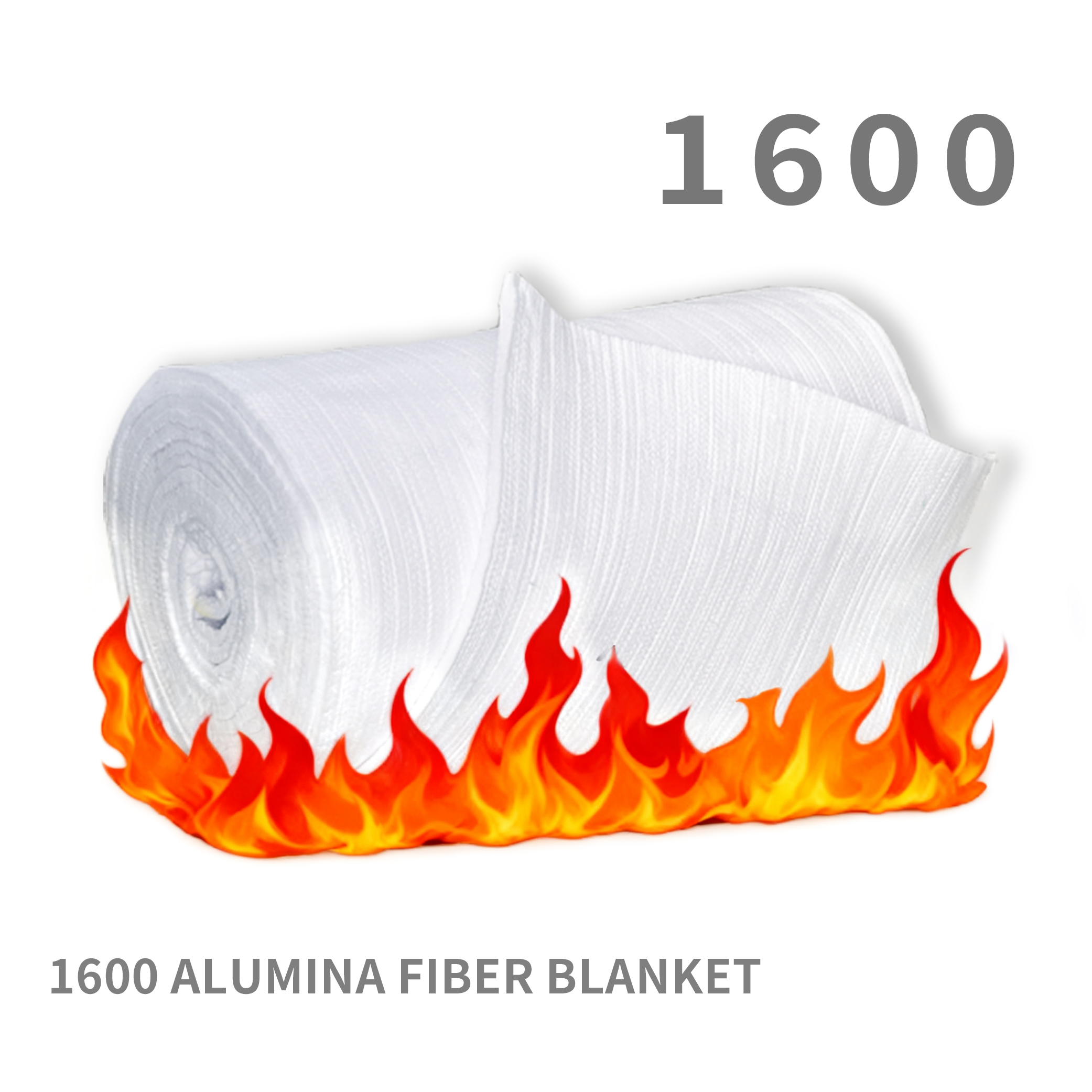
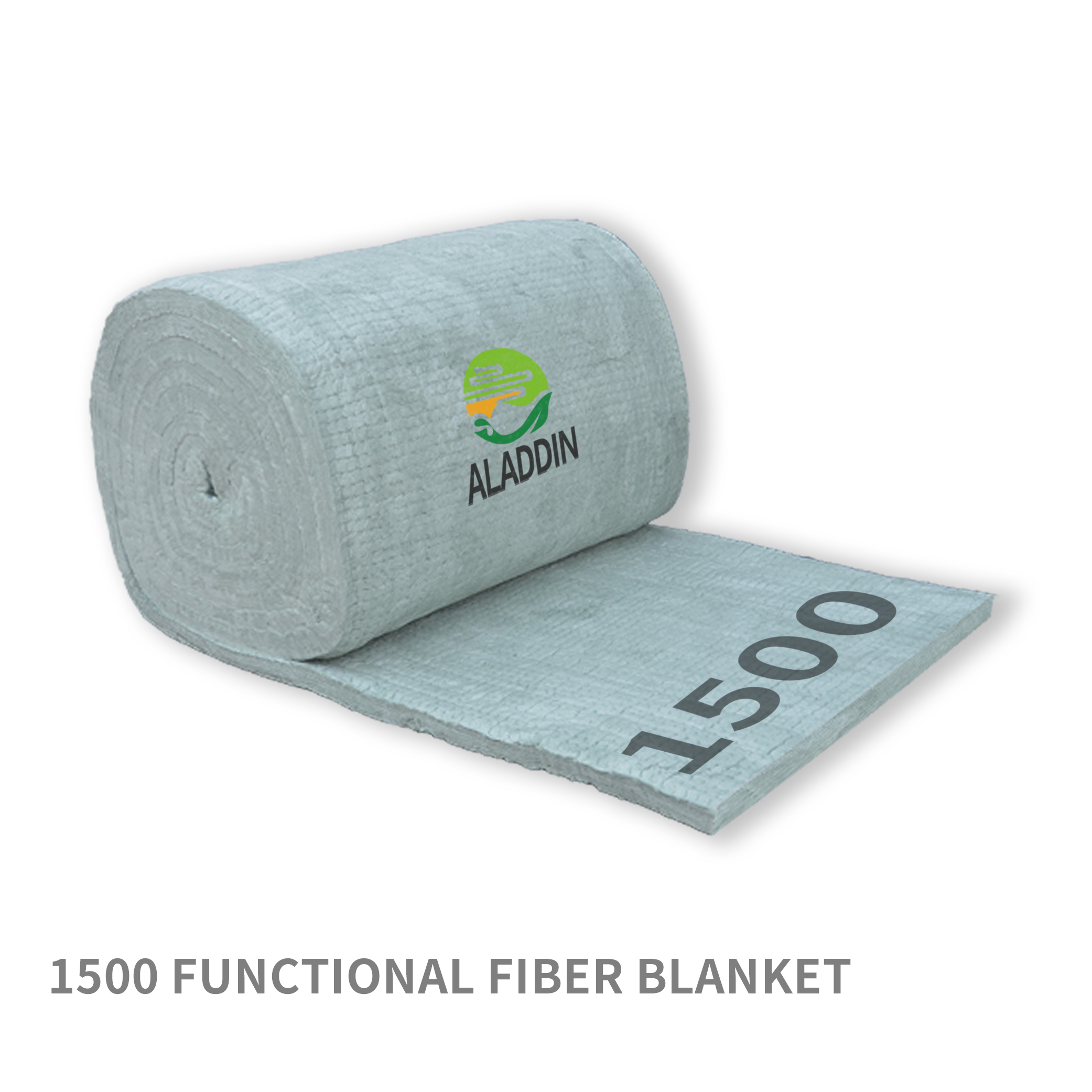
Ceramics are man-made materials with excellent heat resistance, wear resistance, corrosion resistance, insulation, and creep resistance. More than 10,000 years ago, the invention of ceramics ushered in the Neolithic Age. Ceramic fiber blankets, whose main component is alumina, are also a major component of porcelain, hence the name. Besides inheriting the excellent heat resistance, wear resistance, insulation, and high-temperature resistance of ceramics, it overcomes the brittleness of ceramics due to changes in its internal structure. This is attributed to its production process:
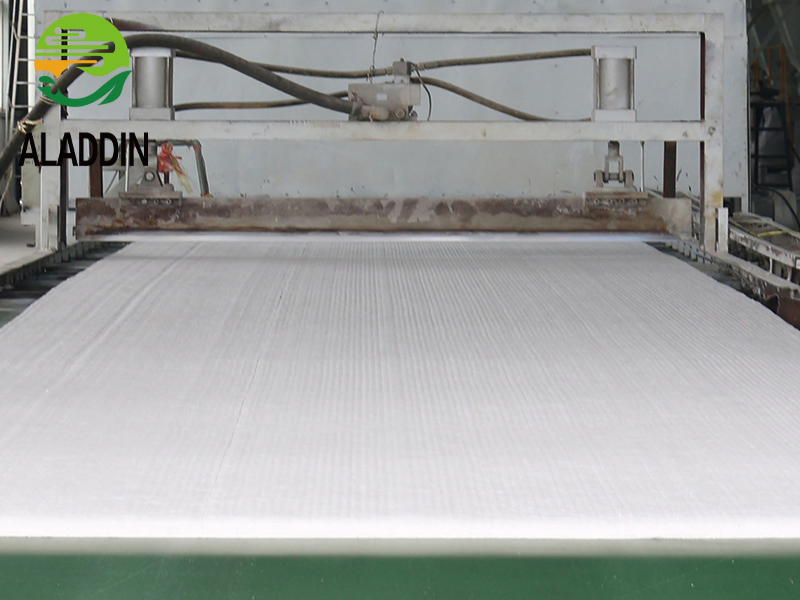
1. Ceramic Fiber Blanket Production Process:
Ceramic fiber blankets are produced using a continuous melting and spinning process in a water-cooled wall resistance furnace without a furnace lining, followed by double-sided needle punching. The fibers are long, thick, and uniform in diameter, with high tensile strength, strong resistance to airflow erosion, and good thermal stability. Through fully automated blanket heating furnace heat treatment, a phase change can be pre-induced in the ceramic fiber products, reducing high-temperature shrinkage during use. Simultaneously, the use of high-quality raw materials and specialized purification and mixing processes effectively reduces the impurity content in the products, improving their thermal stability.
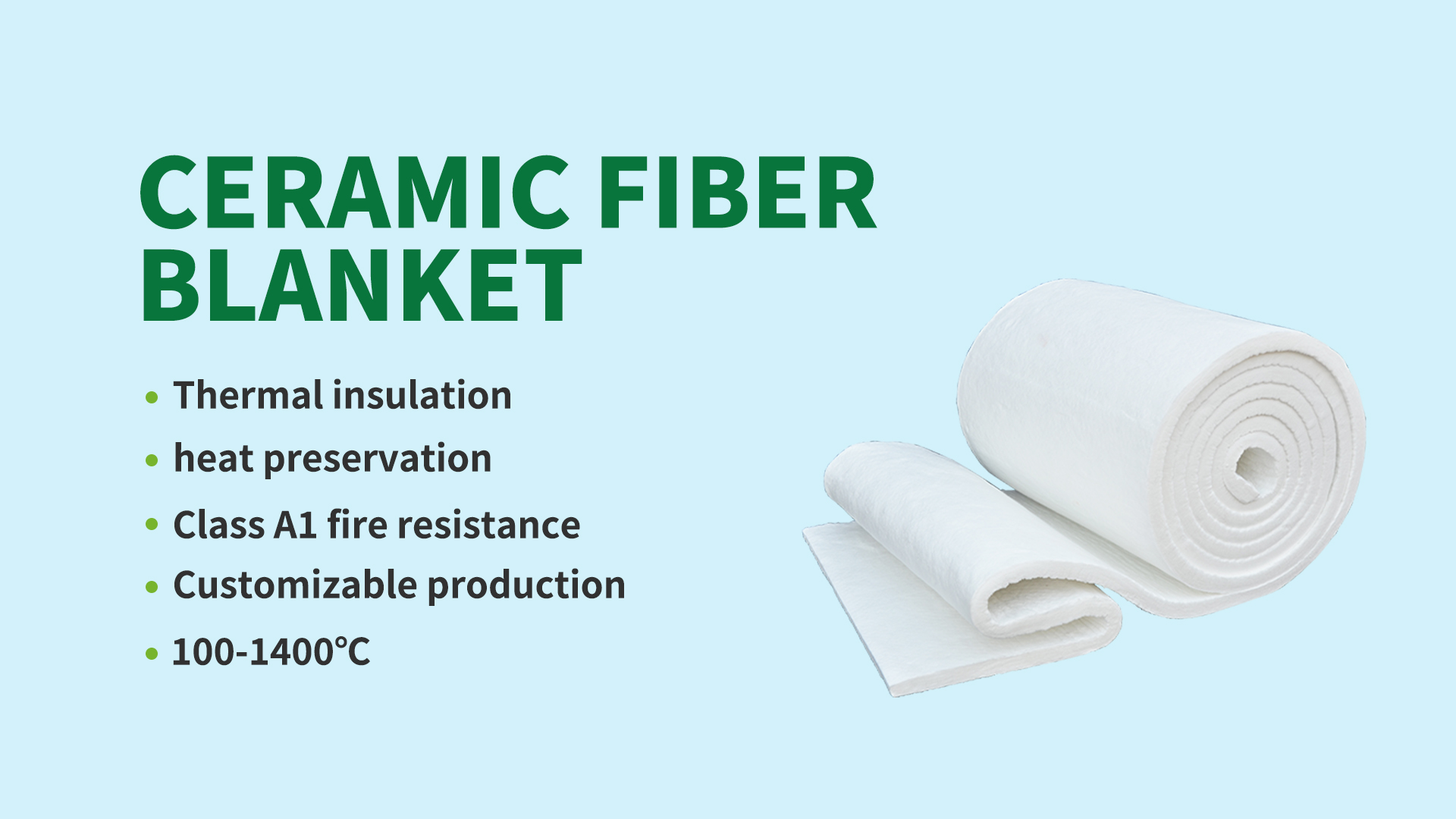
2. Ceramic Fiber Blankets with Different Production Processes
Ceramic fiber blankets can generally be divided into two types: spun blankets and blown blankets. Due to the different thicknesses of the ceramic fibers, the characteristics and applications of the two types of ceramic fiber blankets differ slightly. Spun blankets use thicker and longer ceramic fibers than blown blankets, resulting in higher tensile and flexural strength, making them suitable for thermal insulation environments with high requirements for tensile and flexural strength. Blown blankets use finer ceramic fibers, thus being inferior in tensile and flexural strength. However, blown blankets have a better thermal conductivity, making them suitable for environments with lower requirements for tear resistance but higher requirements for thermal insulation performance.
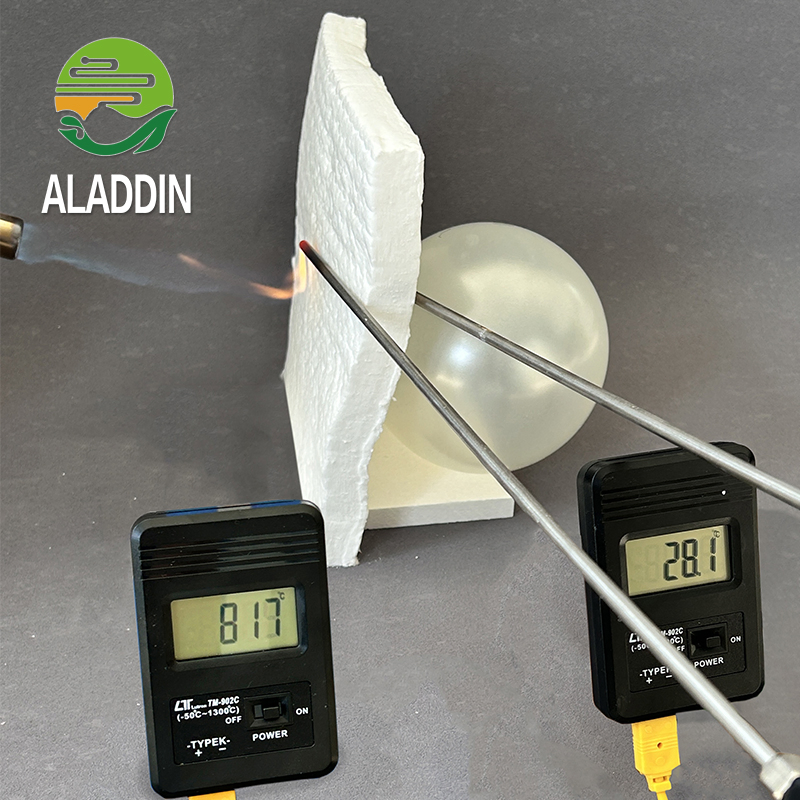
3. Applications of High-Temperature Resistant Ceramic Fiber Blankets
Ceramic fiber blankets have excellent refractory properties and are commonly used for thermal insulation in industry, especially as a refractory material for high-temperature kilns. The strong thermal insulation capacity of ceramic fiber blankets saves more heat, achieving 1.2 times the energy-saving capacity of similar thermal insulation materials such as insulating bricks. Therefore, ceramic fiber blankets are also called high-temperature resistant ceramic fiber blankets.
LiveChatX
 Send Email
 WhatsApp