
Aladdin ceramic fiber modules are mainly used as linings for various industrial furnaces and heating equipment. Although module production seems simple, neglecting details can easily lead to quality problems, affecting installation or causing significant issues later on. So, how does Aladdin ensure the quality of its ceramic fiber modules?
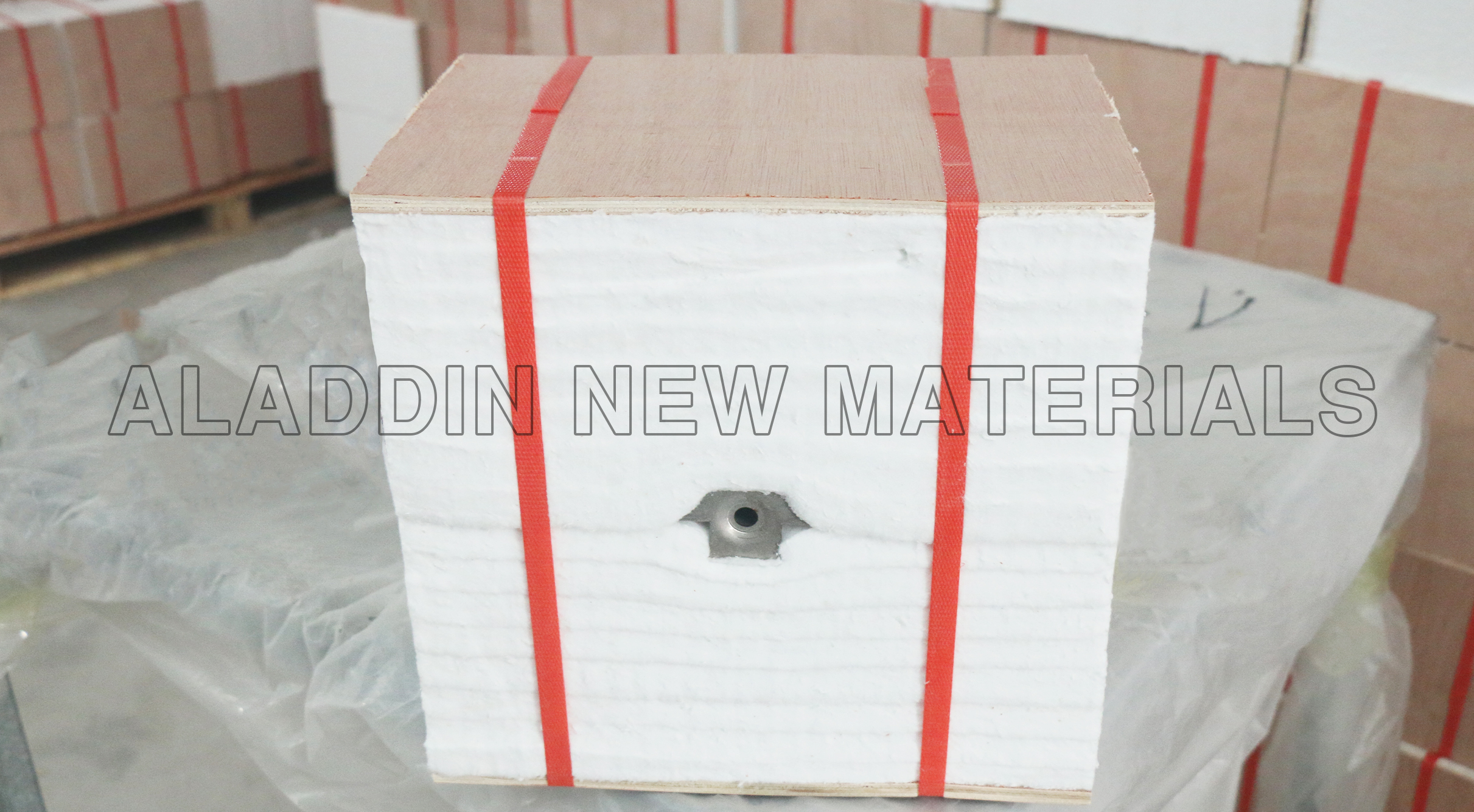
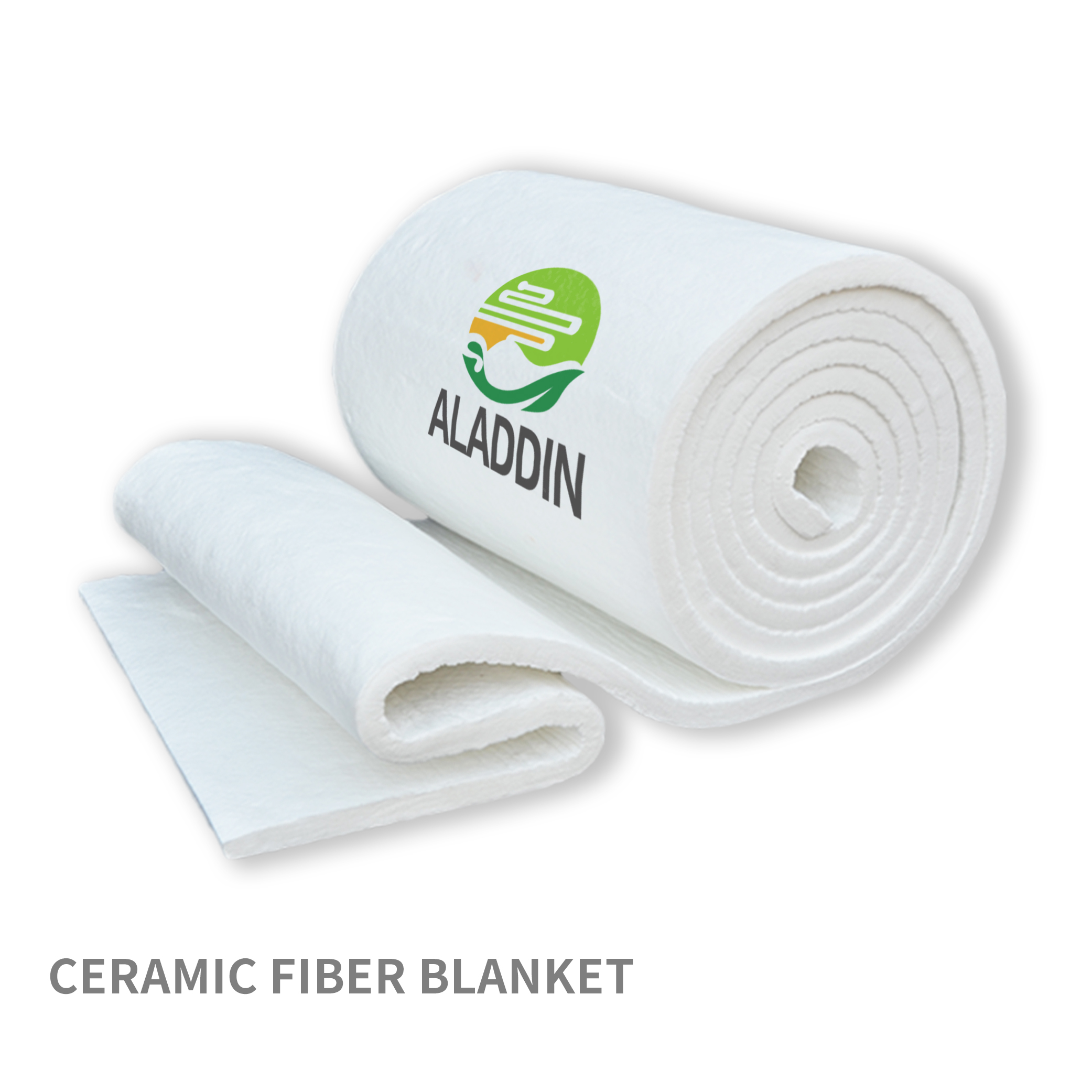
First, starting with the raw materials, Aladdin uses its own ceramic fiber blankets, ensuring quality from the source while reducing costs and benefiting customers.
Second, in addition to meeting customer requirements, Aladdin conducts real-time quality testing on its ceramic fiber products, consistently ensuring compliance with national standards!
Third, Aladdin provides a comprehensive pre-sales, sales, and after-sales service system. We offer turnkey installation services, saving you time and effort!
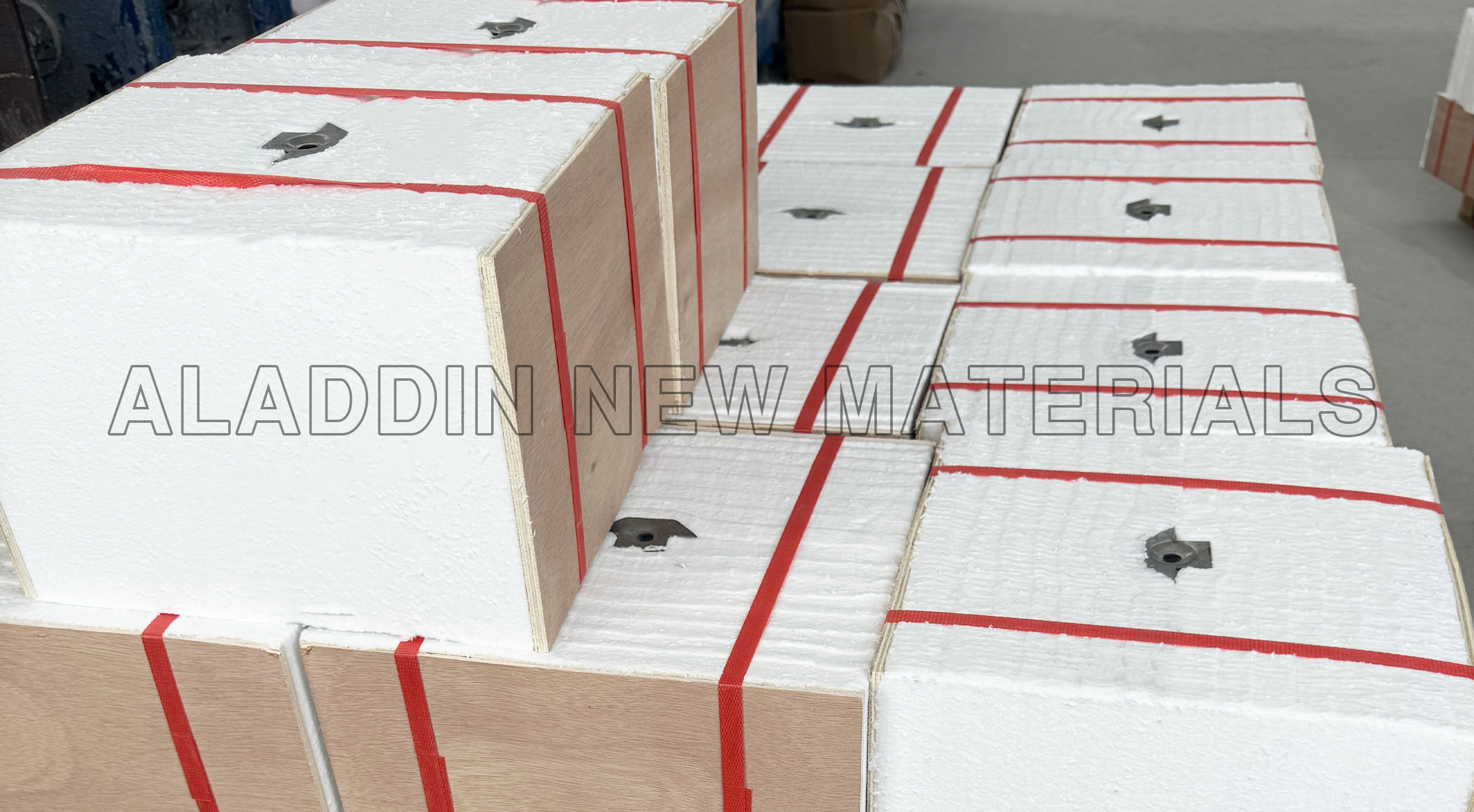
Ceramic fiber modules possess excellent wind corrosion resistance. Traditional laminated fiber linings have a maximum wind corrosion resistance of 10 m/s at 900℃, while fiber module linings have a maximum resistance exceeding 30 m/s. If the prefabricated fiber modules contain inorganic binders, their wind corrosion resistance can reach 50 m/s. Applications include furnace lining insulation in the petrochemical industry; kiln lining insulation in the metallurgical industry; furnace lining insulation in the ceramics, glass, and other building materials industries; heat treatment furnace lining insulation in the heat treatment industry; and other industrial kiln lining insulation. With the advancement of energy conservation and emission reduction plans, the transformation of brick-concrete tunnel kilns is imminent. Ceramic fiber, with its superior insulation performance, has received high praise for its use in the ceiling insulation of brick-fired tunnel kilns.
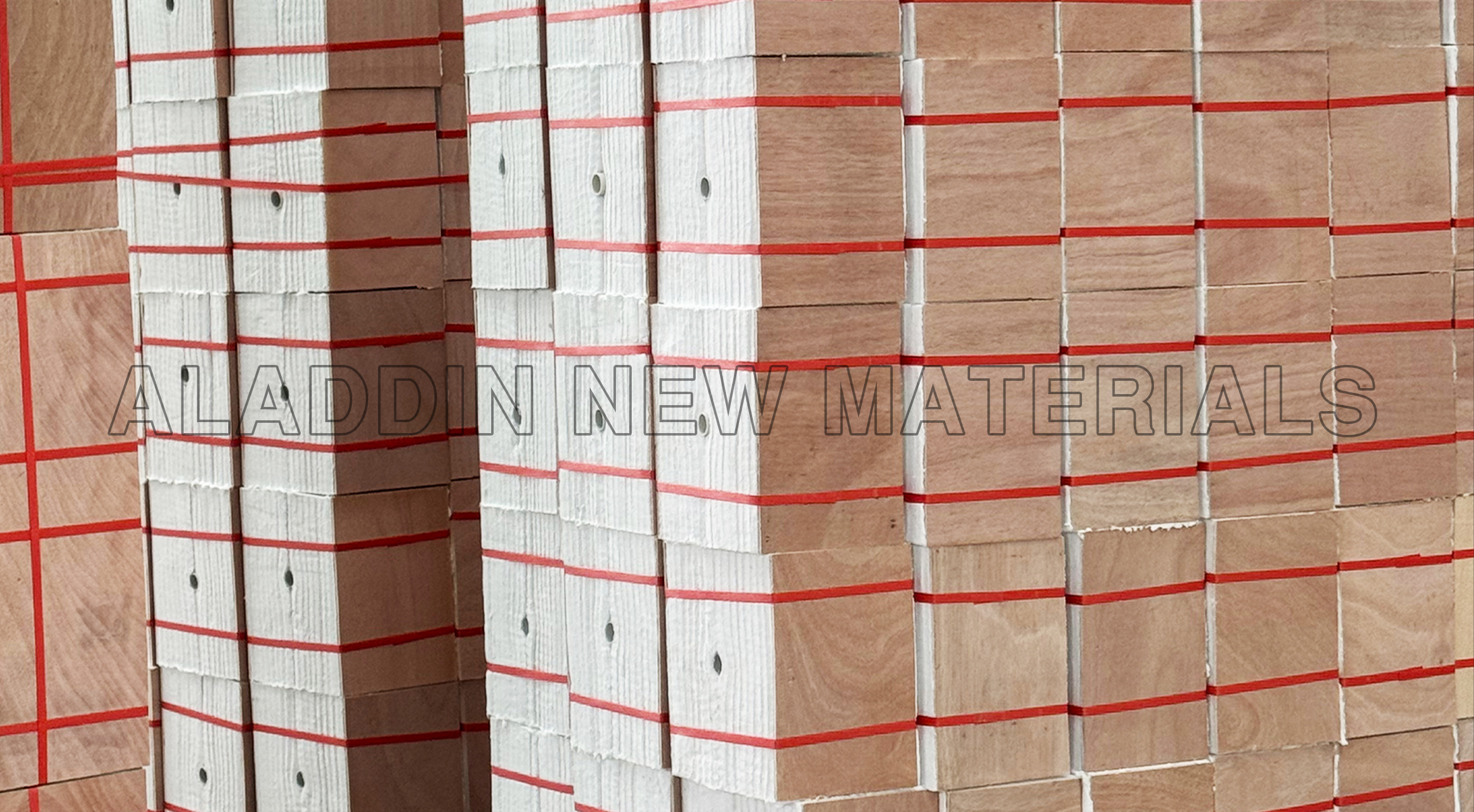
The application effects of ceramic fiber modules: The pre-compression of ceramic fiber modules can compensate for shrinkage at high temperatures. This not only reduces the thermal shrinkage of fiber furnace linings but also, compared with traditional laminated fiber linings, increases the operating temperature by more than 50℃ under the same conditions. The structure is simple, installation is convenient, and working time is saved. When repairing the fiber lining, large-scale dismantling is not required; only the damaged fiber modules can be quickly restored to production.
LiveChatX
 Send Email
 WhatsApp